

Introduction
In today’s competitive world, young athletes require more than just regular training and a balanced diet. The environment in which they relax, study, and rejuvenate plays a pivotal role in their overall development and performance. For teenage athletes, their personal space—primarily their room—becomes a haven where they balance schoolwork, training, and much-needed rest. Creating a room that caters to their unique needs not only aids in their physical growth but also significantly impacts their mental well-being.
This space becomes a reflection of their dedication, a testament to their hard work, and a sanctuary for their dreams. Every item in their room, then, needs to echo their aspirations, provide comfort after a tiring day, and keep them motivated for the challenges ahead. As such, curating the right environment is crucial. In this article, we delve into the 12 essential items that every parent or guardian should consider when setting up a room for their teen athlete.
A Comfortable and Supportive Mattress
One of the most crucial elements for any athlete, especially a growing teenager, is restful and restorative sleep. A high-quality mattress, providing the right balance of support and comfort, is indispensable for this. For a teen athlete, sleep is not just about rest; it’s about recovery. During sleep, the body undergoes essential processes of muscle repair, memory consolidation, and release of growth hormones, all vital for athletic performance and overall health.
Orthopedic mattresses, or those specially designed for athletes, can be particularly beneficial. They are engineered to provide targeted support, promote spinal alignment, and reduce pressure points, ensuring a restful night’s sleep. Moreover, mattresses with temperature-regulating properties can keep the body cool, which is especially helpful after long hours of training.
Choosing the right mattress can significantly impact an athlete’s recovery rate and daily performance. It’s an investment in their health and their sporting journey, ensuring they wake up each morning refreshed and ready to face the challenges of their rigorous routines. For a teen athlete, a mattress is not just a bedding item; it’s a foundational tool for success.
Adequate Storage for Sports Equipment

For a teen athlete, their sports gear isn’t just equipment—it’s an extension of their passion, discipline, and commitment. Therefore, having a dedicated and organized space to store this equipment becomes paramount. Proper storage not only ensures that gear is maintained in optimal condition but also fosters a sense of discipline and order, crucial attributes for any budding sportsperson.
Depending on the sport, equipment can range from balls, rackets, and shoes to more substantial items like bats, helmets, or protective gear. Hence, storage solutions should be versatile, easily accessible, and ensure protection from potential damage. For instance, wall-mounted racks or hooks can be used for hanging jerseys, rackets, or shoes, while shelves or dedicated cabinets can store bulkier items.
Furthermore, having designated spots for each piece of equipment encourages responsibility and discipline in young athletes, teaching them the importance of care and maintenance. After all, well-maintained gear not only lasts longer but can also significantly enhance performance.
In essence, an organized storage system isn’t just about decluttering a room—it’s about instilling values, ensuring longevity of equipment, and, most importantly, showing respect to the very tools that aid an athlete’s journey towards excellence.
Functional Study Area
While sports might be a dominating passion in a young athlete’s life, academic pursuits remain equally crucial. The discipline, determination, and time management skills required on the field often parallel those needed in studies. Consequently, carving out a designated and distraction-free study space within an athlete’s room is essential.
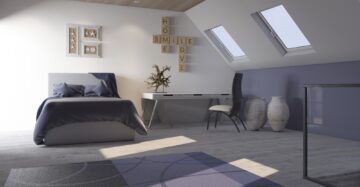
A functional study area should comprise a spacious desk with enough room for a computer, books, and other study materials. Ergonomically designed chairs can ensure proper posture, reducing the risk of back or neck strain during prolonged study sessions. Good lighting, preferably adjustable, is critical to reduce eye strain and maintain focus.
Given the digital age, having organized cable management and storage solutions for electronic devices, chargers, and stationery can keep the area clutter-free, promoting a more focused study environment. Wall-mounted shelves or pegboards can be used to keep important notes, schedules, and reminders within easy view.
Moreover, this dedicated study space symbolizes the balance a young athlete strives for between academics and sports. By separating the realms of relaxation, training, and study, teens are better equipped to transition their mindset and energy according to the task at hand. In the long run, this structured approach not only enhances academic performance but also instills time management and prioritization skills—assets in both the classroom and the arena.
Wall-Mounted Whiteboard or Corkboard
In the whirlwind life of a teen athlete, juggling training sessions, academic deadlines, and competitions can be challenging. To streamline their busy schedule and keep on top of essential dates, a wall-mounted whiteboard or corkboard becomes an invaluable tool.
A whiteboard provides a dynamic space where athletes can jot down their weekly training schedules, set short-term performance goals, or note reminders for upcoming events. The erasable nature of the whiteboard allows for flexibility and adjustments, mirroring the ever-evolving schedule of an athlete. Using color-coded markers can further categorize and differentiate between tasks, making the visualization clearer and more efficient.
On the other hand, a corkboard offers a tactile space to pin up physical reminders, such as competition tickets, academic timetables, or motivational quotes and photographs. The combination of both can create a comprehensive planning system that caters to different needs.
By having a visible and organized display, athletes can mentally prepare for the day or week ahead, ensuring that they never miss a beat, whether it’s an important exam or a crucial training session. This proactive approach to time management not only promotes punctuality and responsibility but also alleviates the stress of forgetfulness, allowing the athlete to focus entirely on the task at hand.
Nutritional Station/Mini-fridge
For a young athlete, nutrition is not just about sustenance; it’s the fuel that powers their performance, recovery, and overall health. Therefore, ensuring easy access to nutritious snacks and beverages, especially post-workout, is of utmost importance.
Incorporating a mini-fridge or a nutritional station within an athlete’s room can be a game-changer. This dedicated space allows teens to store protein shakes, electrolyte drinks, fresh fruits, or other healthy snacks that are vital for muscle recovery and energy replenishment. Instead of heading to the kitchen, which might be stocked with tempting but less nutritious options, they can quickly grab what they need right from their room.
Moreover, this mini-fridge can also house cold packs or ice packs, essential for treating minor sports-related injuries or simply for cooling down after an intense training session.
Adjacent to the fridge, a small countertop or cabinet can be set up as a nutritional station, stocked with protein powders, energy bars, vitamins, and supplements. This dedicated zone not only ensures that dietary essentials are at hand but also serves as a daily reminder of the importance of proper nutrition in achieving athletic excellence.
In essence, while rigorous training sharpens skills and techniques, it’s the right nutrition that builds the foundation. By prioritizing easy access to nutritional necessities, a teen athlete is better equipped to meet the demands of their sport and maintain optimal health.
Motivational Posters/Art

Every athlete, regardless of age or experience, encounters moments of doubt, fatigue, or lack of motivation. For teens, who are navigating the challenges of adolescence alongside their athletic pursuits, these moments can be particularly intense. This is where the power of visual inspiration comes into play.
Adorning an athlete’s room with motivational posters or art can provide that daily dose of encouragement and drive. These visuals could range from quotes that resonate with their journey, images of their sporting heroes, or even photographs capturing their personal milestones and achievements.
For instance, a poster with a quote like “Hard work beats talent when talent doesn’t work hard” can serve as a reminder of the value of perseverance and effort. Similarly, a framed picture of a significant moment—like crossing a finish line or scoring a game-winning point—can rekindle the emotions and pride associated with that memory.
The essence of these visuals is not just to beautify a space, but to create a surrounding that echoes the teen’s aspirations and dreams. On tough days, a simple glance at these motivational pieces can reignite passion, reminding the young athlete of their capabilities, goals, and the journey they’ve embarked upon.
In essence, while tools and equipment might enhance physical performance, it’s these intangible boosts of motivation that fortify an athlete’s mental resolve, pushing them to strive harder, aim higher, and never give up.
Personalized Training Zone

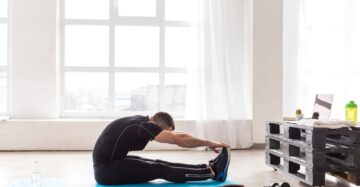
Physical practice is at the core of an athlete’s development, and while most training happens at dedicated facilities or outdoors, there are moments when an athlete might want to do some light practice, stretching, or even meditation within the confines of their room. Creating a personalized training zone caters to this need.
This space doesn’t have to be extensive but should be clear of obstructions, allowing for free movement. A soft, non-slip exercise mat can be the foundation of this zone, offering cushioning for floor exercises, yoga, or stretches. Depending on the sport and the athlete’s preference, this area could also house resistance bands, dumbbells, or even a stability ball.
Having a wall mirror in this zone can be advantageous. It allows athletes to monitor their form during exercises, ensuring that they maintain correct postures and alignments, reducing the risk of injuries.
Moreover, integrating technology, like a tablet or a smartphone stand, can enable the athlete to follow along with training videos or apps, adding variety and structure to their home workouts.
Having this dedicated zone within their room means an athlete is never too far from practice, even on off-days or during unfavorable weather conditions. It encourages consistency, discipline, and the understanding that every bit of effort, no matter how small, contributes to the larger goal. This personal training space becomes a testament to an athlete’s dedication, proving that passion isn’t limited to the field or the court—it’s ingrained in every facet of their life.
Acoustic Solutions for Optimal Rest
Teen athletes, with their rigorous training schedules, often require longer sleep durations than their non-athlete peers. Deep, uninterrupted sleep is paramount for recovery and mental alertness. In a world bustling with noise, ensuring that an athlete’s room offers a sanctuary of quiet becomes vital.
Incorporating acoustic solutions can significantly enhance the quality of sleep and relaxation. Thick curtains or drapes not only block out unwanted light but can also dampen external noises, making them a dual-purpose solution. Soundproofing wall panels, available in various designs and materials, can further reduce noise transmission, especially if the room is adjacent to a busy street or a communal space within the house.
Floor rugs or carpets can also play a role, absorbing echoes and creating a softer acoustic environment. For those particularly sensitive to noise or living in especially loud environments, white noise machines or sound conditioners can be beneficial. These devices emit consistent, ambient sounds, masking disruptive noises and creating a soothing background that promotes sleep.
In essence, while physical comfort is essential, the auditory environment plays an equally critical role in ensuring restorative rest. By prioritizing acoustic comfort, one ensures that a young athlete wakes up rejuvenated, both physically and mentally, ready to tackle another day of challenges and triumphs.
Ergonomic Seating and Posture Enhancers
While we’ve already touched upon the importance of a functional study area, an aspect that deserves special mention is ergonomic seating. Given that teen athletes already put significant strain on their bodies during training, it’s imperative that their rest and study times are supported with postural care.
An ergonomic chair is designed keeping in mind the natural curve of the spine, offering support in all the right places. This ensures that while studying or resting, the athlete’s back is well-supported, reducing the risk of developing postural problems or exacerbating existing ones. Features to look for in such a chair include adjustable height, lumbar support, and cushioned armrests.
In addition to the chair, posture enhancers like ergonomic cushions or backrests can be beneficial. These can be used on the bed or the floor, ensuring that even when they’re not at their desk, the athlete’s spine is aligned and supported.
For those athletes who prefer studying while seated on the floor, ergonomic floor chairs with adjustable backrest angles can be an excellent addition. These chairs offer the flexibility of sitting positions while ensuring the back remains supported.
In the long run, prioritizing posture isn’t just about comfort; it’s about ensuring that the athlete’s body remains free from avoidable strains and stresses. An investment in ergonomic seating is, in reality, an investment in the athlete’s overall well-being, ensuring that they remain at the top of their game, both on the field and off it.
Organized Gear Storage
Every athlete, regardless of their sport, accumulates gear—rackets, balls, shoes, protective equipment, and more. Without proper storage, these items can quickly clutter a room, making it feel chaotic and less conducive to relaxation and focus. Moreover, good gear maintenance can prolong the life of the equipment and ensure optimal performance during use.
Implementing organized gear storage solutions is the key to maintaining order and ensuring easy access. For bulkier items, wall-mounted racks or hooks can be highly effective. For instance, skateboard or snowboard enthusiasts can benefit from specialized wall racks that showcase their boards while keeping them off the floor.
Smaller items, like balls, shoes, or gloves, can be stored in clear bins or baskets, ensuring visibility and easy access. Dedicated shoe racks or deodorizing pouches can help keep footwear in top condition while preventing odors.
Uniforms and other sportswear can have a separate section in the wardrobe, possibly with moisture-wicking hangers to ensure they dry out properly and maintain their shape.
It’s also a good idea to have a designated space for a sports bag, ensuring it’s always packed and ready to go. This could include a charging station for electronic devices, a small shelf for essential documents like ID cards or membership passes, and a drawer for miscellaneous items like energy bars or personal care products.
By creating a structured system for gear storage, athletes can ensure they’re always prepared for training sessions or matches, reducing last-minute scrambles. Furthermore, an organized space contributes to a clearer mind, allowing athletes to focus on strategy, performance, and improvement rather than the mundane task of locating misplaced gear.
Adaptable Lighting Solutions

Lighting, often overlooked, plays a pivotal role in setting the mood of a room and supporting various activities. For a teen athlete, the lighting needs to be versatile, catering to both relaxation and activity, study, and leisure.
Task Lighting: When it comes to studying or any activity that requires focus, task lighting is essential. Desk lamps with adjustable arms or necks allow the athlete to direct light exactly where it’s needed, reducing eye strain. Opt for bulbs that mimic natural daylight, which are known to improve concentration and reduce fatigue.
Ambient Lighting: Soft, ambient lighting can transform the room into a haven of relaxation, essential for meditation or winding down after a rigorous training session. Floor lamps or wall sconces with dimmable features can help create this calming atmosphere.
Sport-Specific Lighting: Depending on the athlete’s sport, specialized lighting might be beneficial. For instance, a ballet dancer might benefit from spotlighting in an area of the room where they practice, while a basketball player might appreciate a backlit hoop for evening plays.
Night Lights: Given the odd hours athletes sometimes keep, night lights or motion-sensor lights can be beneficial, guiding late-night or early-morning movements without disrupting sleep with bright overhead lights.
Smart Lighting: Modern advancements allow for lights that can be controlled through apps or voice commands. These can be programmed to adjust according to the time of day or the athlete’s schedule. For instance, lights can gradually brighten in the morning to mimic a natural sunrise, ensuring a gentle wake-up before early training sessions.
In conclusion, adaptable lighting solutions not only cater to the functional needs of a teen athlete but also contribute to the overall ambiance of the room. By ensuring that the room has a range of lighting options, the athlete can create an environment that supports both their physical endeavors and their mental well-being.
Tech Corner: Modern Gadgets for Performance Tracking
In today’s digital age, technology plays a pivotal role in optimizing athletic performance, providing insights, and facilitating recovery. Designing a dedicated tech corner in a teen athlete’s room ensures that they stay up-to-date with their training regimen and can harness the power of modern gadgets efficiently.
Performance Wearables: From smartwatches that track heart rate and sleep patterns to smart shoes that analyze gait and stride, wearable tech offers invaluable data to athletes. Having a dedicated charging station ensures that these devices are always powered up and ready to use.
Recovery Gadgets: Tools like massage guns, electronic muscle stimulators, or infrared light therapy devices have gained popularity among athletes for promoting faster recovery. A storage solution for these can keep them organized and at arm’s reach.
Virtual Reality (VR) & Augmented Reality (AR): VR and AR can be powerful tools for mental training. Visualizing game scenarios, analyzing competitor strategies, or even simulating training environments can provide a competitive edge. A VR headset stand and a dedicated space for VR activities can be beneficial additions.

Training Apps & Software: A tablet or a high-performance computer can house software that analyzes performance metrics, offers feedback, or even provides virtual coaching. Coupled with a high-resolution monitor, athletes can review footage of their performances, identifying areas of improvement.
Sound Systems: Quality sound systems or noise-canceling headphones can enhance meditation sessions, mental imagery exercises, or even provide the motivation boost with a pumped-up playlist during home workouts.
Smart Home Integrations: Voice assistants like Amazon’s Alexa or Google Home can be used for setting reminders for training sessions, ordering sports nutrition, or even controlling other smart devices in the room.
Incorporating a tech corner acknowledges the evolving nature of sports training, recognizing that advancements in technology can, when used correctly, elevate an athlete’s performance to new heights. By centralizing and organizing these gadgets, the athlete ensures they are making the most of the digital aids at their disposal, seamlessly integrating them into their daily routine.
Crafting a conducive environment for a teen athlete goes beyond just aesthetics; it’s about fostering a space that synergizes their athletic ambitions with daily life and academic pursuits. The “12 Essential Items for an Athlete Teenager’s Room” underscores the importance of a well-thought-out living space, which not only aids in physical recovery and performance but also facilitates mental well-being and academic success. As parents or guardians, curating such a room is an investment in the teenager’s future, emphasizing the balance between sports and studies. By implementing these essentials, one provides the young athlete with the tools they need to thrive, laying a foundation for holistic success both on the playing field and in the classroom.