
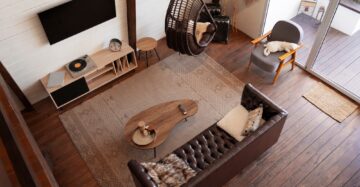
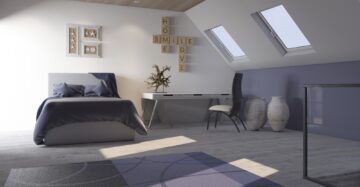
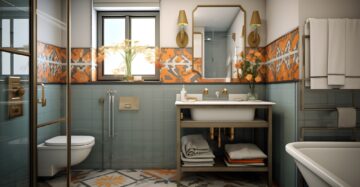


Transforming a long, narrow living room into a series of functional, stylish zones is an interior design challenge that’s both exciting and rewarding. The key to success lies in understanding how to best utilize the space to create distinct areas without sacrificing the room’s flow or aesthetic harmony. In this guide, we will explore the art of zoning, a technique that brings structure to an elongated living space, turning it into a multi-functional haven.

The art of zoning involves strategic placement of furniture, decor, and lighting to carve out ‘mini-rooms’ within a larger space. Each zone serves a different purpose – be it for relaxation, entertainment, or socializing – and when done correctly, can make a long living room feel more inviting and organized. Whether you’re dealing with a new home or reimagining an existing space, our expert tips will help you master the zoning technique and create a living room that’s both practical and visually appealing.
Understanding the Basics of Zoning
Zoning a long living room starts with a fundamental understanding of spatial design. It’s not just about dividing a space; it’s about creating areas that are as functional as they are visually appealing. The process requires a thoughtful approach to design elements such as furniture size, lighting, and color schemes. Each zone should serve a purpose, whether it’s a cozy reading nook, an area for conversation, or a spot for entertainment. Proper zoning can make a room more inviting and ensure that it serves your lifestyle.

When planning your zones, consider the natural flow of the room. Traffic should move seamlessly from one area to another without obstructions. Rugs can delineate spaces without physical barriers, while lighting can highlight focal points and set the mood for different zones. A cohesive color palette can tie the room together, ensuring that each zone feels like a part of the whole. By mastering the basics of zoning, you’ll create a living room that maximizes both space and style.
Planning Your Space
Effective planning is the cornerstone of transforming a long living room into a series of functional, aesthetically pleasing zones. Start with a clear vision of what you need from your space: areas for relaxation, dining, work, or entertainment. Measure your room and consider the scale of furniture and decor to maintain balance and proportion. Use floor plans to experiment with different layouts before making any purchases. Think vertically as well as horizontally, using shelves and lighting to draw the eye up and create a sense of space. Consider the practicalities of everyday living, ensuring that each zone is not only beautiful but also fully functional for your daily life.

By thoroughly planning your space, you’ll ensure that every inch of your long living room is used to its full potential, making your home more comfortable and inviting for you and your guests.
Design Strategies for Zoning
When it comes to dividing a long living room, design strategies for zoning play a pivotal role. Rugs can anchor different areas, distinguishing the living zone from a reading nook or home office space within the same room. Furniture placement is also key; a sectional sofa or a console table can serve as subtle dividers, while maintaining an open feel. Color coding through paint and accessories is another effective tactic to define areas without erecting barriers. Implementing varied lighting options like pendant lights for the dining area and floor lamps for the lounge can enhance the mood and functionality of each zone. Lastly, consider the flow of movement throughout the space to maintain a natural and intuitive pathway that connects each zone.

These strategies can help you achieve a seamless yet segmented living space that caters to all aspects of your lifestyle.
Combining Openness with Intimacy

Creating a harmonious balance of openness and intimacy in a long living room is crucial to a comfortable and inviting space.

Open-plan living is desirable for its airy ambiance and social environment, but intimate zones within it can provide retreats for privacy and coziness.

Employing bookshelves as room dividers allows light and sightlines to flow through while carving out secluded corners. Incorporating layered textiles such as throws and curtains can soften spaces and create a snug atmosphere. Thoughtful positioning of furniture, like back-to-back sofas, can subtly separate entertaining areas from quiet, reflective spaces without compromising the sense of openness. Additionally, smart use of acoustic materials can dampen sound travel, ensuring that lively gatherings don’t disturb the tranquility of a reading nook nestled in the same room.
Lighting and Its Zoning Powers

In the art of creating distinct zones within a long living room, lighting is a key player. It has the transformative power to define and alter the ambiance of each area, emphasizing its intended use. Strategic placement of lighting fixtures can illuminate a reading corner or highlight a workspace, while dimmer lights can signal relaxation zones. Using a mix of overhead lights, floor lamps, and wall sconces allows you to layer lighting, adding depth and variety to the room. Smart lighting systems bring the ultimate customization, letting you adjust brightness and color to suit different activities or times of day. The right lighting not only serves a functional purpose but also contributes to the aesthetic, enhancing textures and colors and making the space feel inviting and well-considered.
Accessorizing Your Zoned Spaces

Accessorizing is an effective approach to visually and functionally distinguish between the different zones within a long living room. Through the careful selection of rugs, art pieces, and decorative objects, you can create a unique atmosphere in each segment of the room. For instance, a vibrant, textured rug can anchor a socializing area, while serene artwork can define a tranquil reading nook. Decorative cushions and throws can add comfort to a lounge area, and curated bookshelves can characterize a study zone. The key is to select accessories that not only resonate with the overall aesthetic but also serve as subtle indicators of each area’s purpose. Thoughtfully chosen accessories not only add to the decor but also reinforce the functionality of each zone, making the space both beautiful and practical.
Conclusion

Concluding the journey of transforming a lengthy living room into a harmoniously zoned haven is both an art and a strategic endeavor. The essence of effective zoning lies in the ability to create distinct areas that cater to specific activities while maintaining a cohesive design language throughout the space. Embrace the principles of zoning with an open mind and an eye for design, and you’ll find that even the most elongated spaces can be segmented into warm, inviting, and functional nooks. Remember that each zone should reflect your personal style and meet the practical needs of your household. With these principles in mind, your long living room can become a testament to smart design, where every inch is optimized for comfort, utility, and aesthetic appeal.