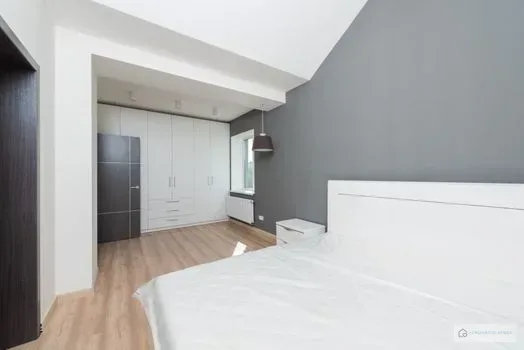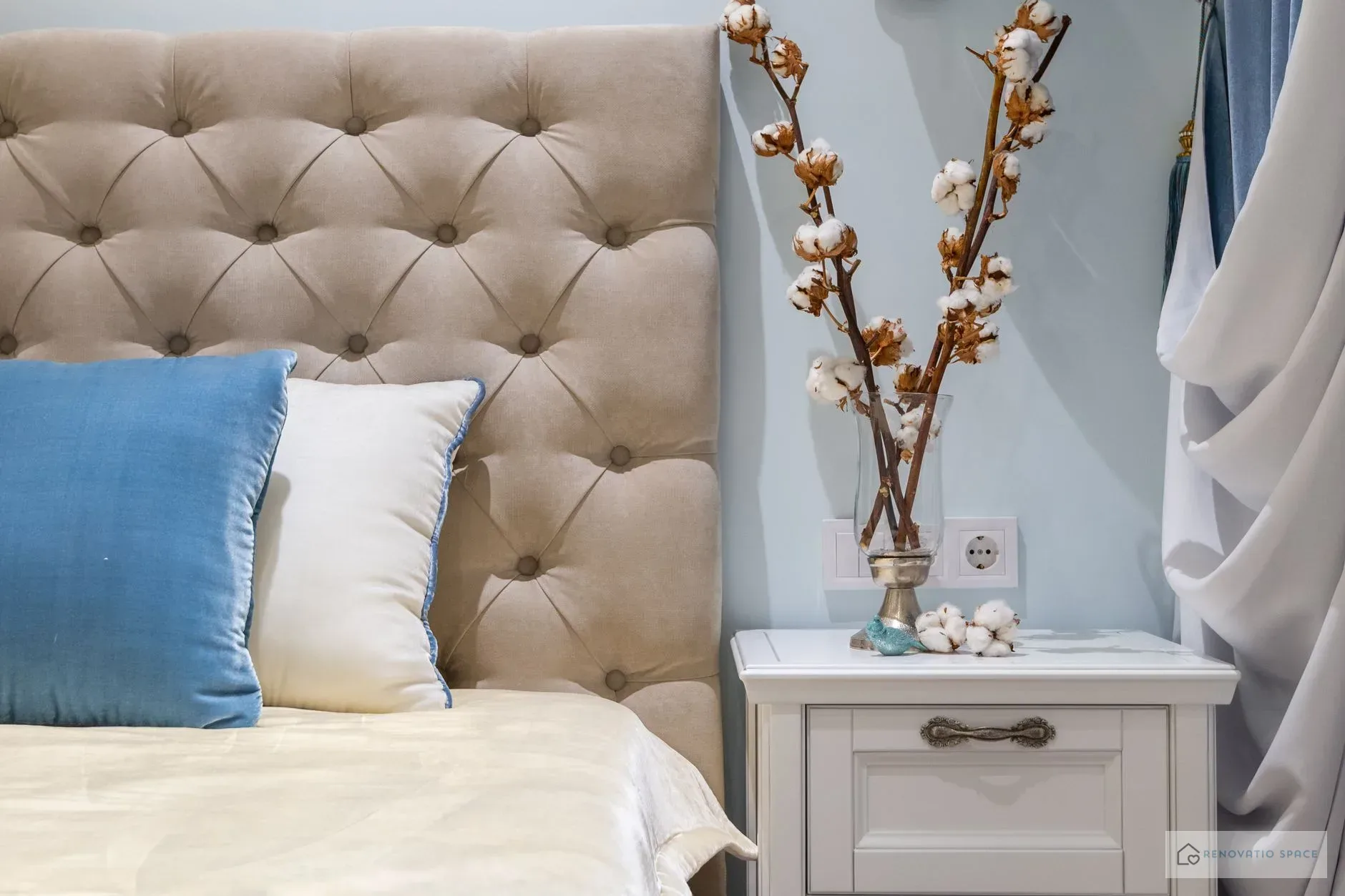










You’ve finally decided to redo your bedroom floor, but the sheer number of options — hardwood, laminate, carpet, tile, cork — leaves you staring at samples. Each promises comfort, durability, or silence, but which one solves your actual problem: the dust that triggers morning sneezes, the creaking floor that wakes your partner, or the cold feeling underfoot every winter? This guide walks through the bedroom flooring key factors so you can confidently make a bedroom floor material comparison and settle on a surface that serves your sleep and lifestyle.
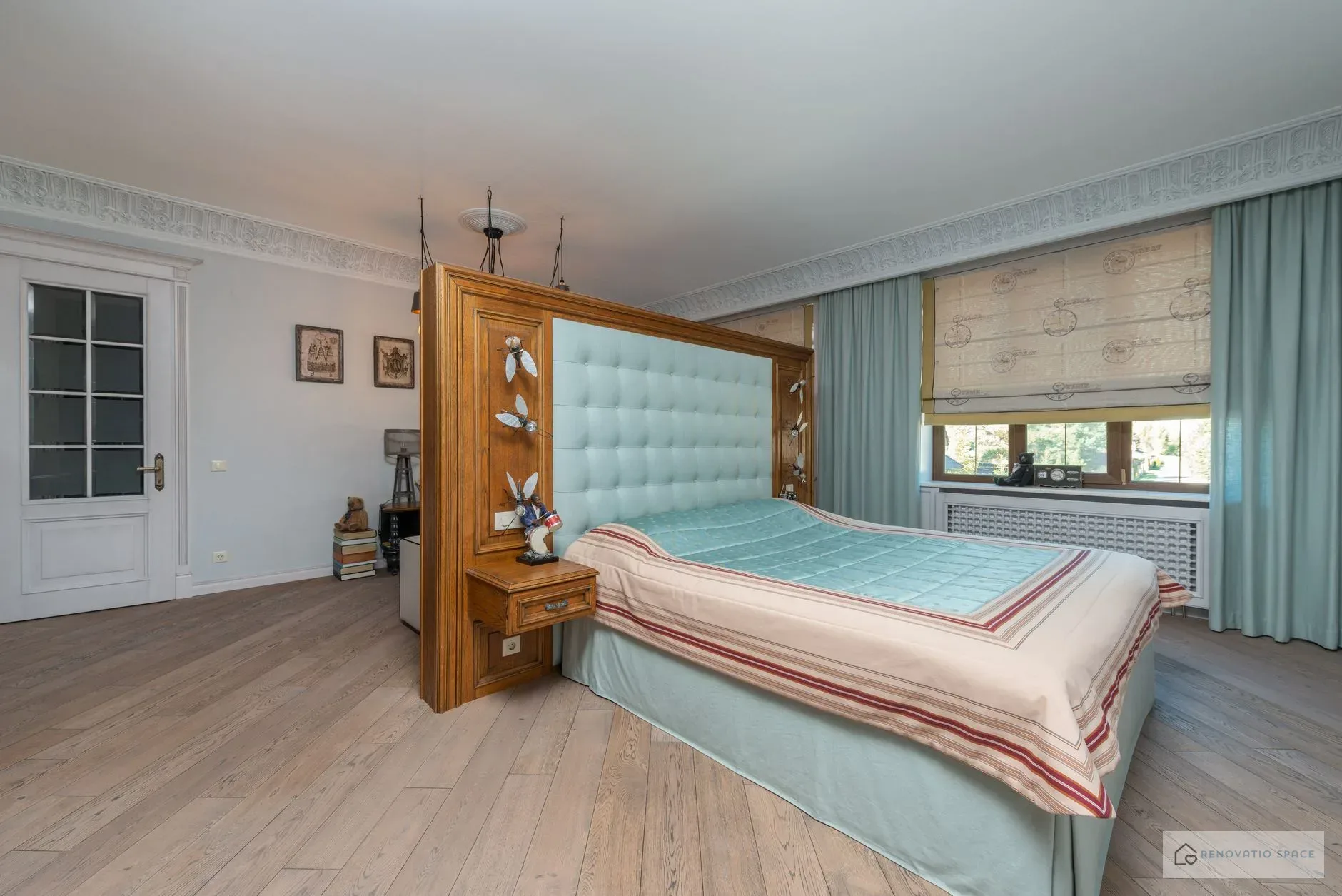
1. Allergies and Cleanliness: Why Material Matters
If you wake up with a stuffy nose, your floor might be the culprit. Carpet traps dust, pollen, and pet dander deep in its fibers, making bedroom flooring for allergies a critical filter. Hard surfaces—hardwood, laminate, vinyl, tile—allow you to sweep and mop away allergens. Cork and bamboo have natural antimicrobial properties and resist mold, making them healthier choices. Wool carpet, while soft, sheds less synthetic fiber than nylon and can be steam-cleaned. Your best move: choose a floor that doesn’t become a reservoir for what you breathe.
2. Comfort Underfoot and Insulation
Your bedroom floor should feel good barefoot and retain warmth on chilly mornings. Best bedroom flooring for comfort often points to carpet or cork: both offer a cushioned step and natural sound absorption. But comfort isn’t just padding — it’s also thermal. Ceramic tile and polished concrete can be cold without radiant heating; warm bedroom flooring choices include engineered wood with underlayment, thick wool rug over hardwood, or luxury vinyl plank (LVP) with attached foam backing. For a middle ground, consider floating laminate with a foam underlay — it mimics wood but feels warmer.
Material Comparison: Carpet vs. Wood vs. Laminate vs. Cork
| Criterion | Carpet | Hardwood | Laminate | Cork |
|---|---|---|---|---|
| Softness | High | Low | Low-Med | Med |
| Warmth | High | Med | Med | High |
| Soundproofing | Excellent | Poor | Fair | Good |
| Allergy friendly | Low | High | High | High |
| Maintenance | Vacuum+shampoo | Sealing+polish | Sweep/damp mop | Seal+sweep |

3. Soundproofing Your Sleep Sanctuary
A quiet bedroom is non-negotiable if you share a home with others. Bedroom flooring tips for soundproofing start with material: thick carpet over a dense pad absorbs impact and airborne noise better than any hard surface. But if your design calls for wood or tile, use an acoustic underlayment beneath floating floors to reduce transmitted footsteps. Cork and rubber tiles are naturally quieter than hardwood. Another tip: run area rugs over hard surfaces to zone a cozy spot and dampen echo. For maximum peace, layer soft textiles — rugs, runners, even a fabric wall hanging — to absorb sound waves.
4. Maintenance: What Your Future Self Will Thank You For
Nobody enjoys spending Saturday scrubbing floors. A bedroom flooring maintenance guide reveals that carpets need weekly vacuuming + annual steam cleaning; hardwood requires regular sweeping and occasional resealing; laminate and vinyl demand only dust-mopping. Bedroom flooring problems and solutions often emerge from moisture (spills under plants, humidity) or pet accidents — here, high-end LVP or sheet vinyl wins because it’s waterproof. If you have a busy morning routine, choose a floor that survives dashed coffee drops without staining. Pro tip: always buy pre-finished hardwood so you skip sanding nightmares.
Maintenance Effort Quick Table
| Material | Daily/Weekly | Annual | Worst case |
|---|---|---|---|
| Carpet | Vacuuming + spot clean | Deep steam clean | Odor, staining |
| Hardwood | Sweep + damp mop | Refinish every 5-7 years | Water damage, scratches |
| Laminate | Dry mop | Replace damaged plank | Swelling if wet |
| Vinyl LVP | Sweep + mop | None | Scratches (cheap versions) |
| Cork | Sweep | Reseal top coat | Fading if direct sun |

5. Style Trends and Eco-Friendliness
Bedroom flooring ideas 2024 lean toward warm neutrals — oak, walnut, and greige tones — as well as textured surfaces that hide dust between cleanings. Wide planks (7 inches or more) give a spacious, modern look. For the eco-conscious, eco-friendly bedroom flooring options include bamboo (fast renewable resource), reclaimed hardwood, cork (bark is harvested without killing the tree), and linoleum (made from linseed oil and jute). These materials often have lower VOC emissions, improving indoor air quality — especially important in a room where you spend a third of your day.
To finish your how to choose bedroom flooring journey, narrow your list by ruling out floors that conflict with your non-negotiables (allergy, noise, maintenance). Then visit a showroom to feel the difference between hardwood and laminate — texture and warmth vary even in samples. If you are planning a full bedroom refresh, explore our bedroom interior ideas collection, including bedroom makeover ideas 2024. Need practical layout advice? Read how to equip a teen’s active space for room zoning tips that work for any floor.
Ultimately, the best bedroom flooring balances your lived experience — morning steps, late-night reading, weekend cleaning — with visual delight. Compare hardwood vs laminate for bedroom with a sample at home under natural light. Test carpet remnants with your bare feet. Don’t rush: your perfect floor is out there, and now you have the criteria to find it.