








Zoning with area rugs is a popular method for structuring open living spaces and giving individual areas their own identity. But often, some things go wrong, making the result more chaotic than harmonious. In this article, we show you the most common mistakes and how to avoid them.
Introduction: Why Zoning with Area Rugs Often Goes Wrong
The Art of Room Layout
Dividing a room into different zones is an art that requires tact. Rugs are a powerful tool: they can set visual boundaries, create coziness, and improve acoustics. But if proportions, colors, or placements are off, the space quickly looks cluttered or unbalanced. Many underestimate how important the right size and alignment are. A rug that is too small makes furniture appear isolated, while one that is too large can overwhelm the room. Zoning often fails due to lack of planning—yet a well-thought-out rug can be the centerpiece of any living area.
Common Pitfalls at a Glance
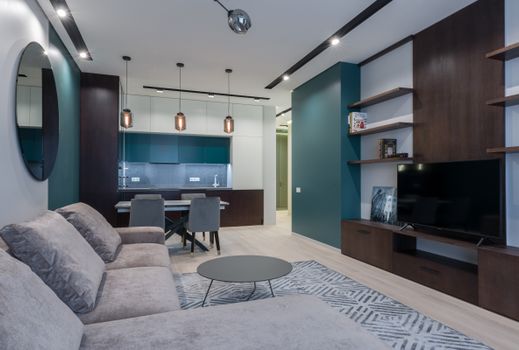
The most common mistakes include the wrong rug size, unsuitable placement, ignored color harmonies, and neglected maintenance aspects. Also, the lack of a clear zone definition can cause the rug to miss its effect. In the following sections, we go into detail on each of these points and give practical tips on how to avoid these mistakes. This way, your room will not only be more beautiful but also more functional.
Mistake 1: The Rug Is Too Small or Too Large
Effect of Proportions
The size of a rug significantly influences the room’s effect. A rug that is too small, placed only under a coffee table, makes furniture look like islands and breaks the visual flow. A rug that is too large can overwhelm the space, making it appear smaller than it is. The right proportion creates a visual unity: the rug should connect all important pieces of furniture in a zone. For example, in the living area, the sofa and armchair should at least have their front legs on the rug. This creates a cohesive seating group.
Rules of Thumb for the Right Size
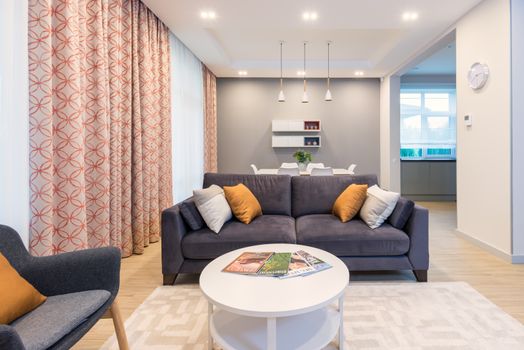
A proven rule of thumb says: the rug should be about 60 to 80 centimeters larger in each direction than the furniture group it encloses. For a dining table, choose a rug that extends at least 60 centimeters beyond the table edge so that chairs remain on the rug even when pulled out. Always measure the exact dimensions of your zone before buying. A table gives you a quick overview:
| Room Zone | Recommended Rug Size | Notes |
|---|---|---|
| Living Area | 200 x 300 cm or larger | Sofa and armchair with front legs on the rug |
| Dining Area | 240 x 300 cm or larger | At least 60 cm overhang around the table |
| Sleeping Area | 160 x 230 cm or larger | In front of the bed or under the bed, depending on style |
With these guidelines, you avoid the classic size mistake and create a balanced zoning.
Mistake 2: Wrong Placement and Alignment
Rug as a Room Divider
A rug can act as a gentle room divider by drawing a visual boundary between different zones. But often it is simply placed in the middle of the room without considering the furniture arrangement. A common mistake is to place the rug diagonally or unevenly, which makes the room look unharmonious. The alignment should always be parallel to the walls, unless you want a deliberate contrast. When the rug serves as a room divider, ensure it clearly marks the boundary—for example, between living and dining areas. One good option is to place the rug under the seating group and leave the dining area without a rug, or vice versa.
Optimize Furniture Arrangement
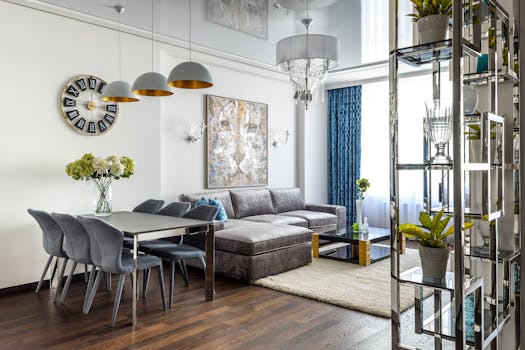
Furniture should be arranged on the rug in a way that defines the zone. Place the sofa so that its edge aligns with the rug’s edge or sits slightly on it. Avoid placing furniture items only partially on the rug, as this creates a sense of disorder. For optimal effect, all furniture in a zone should either be entirely on the rug or at least have their front legs on it. This is especially true for sofas and armchairs. In the dining area, it is crucial that all chair legs fit on the rug, even when chairs are pulled back. This keeps the zone harmonious even during use.
Mistake 3: Ignoring Colors and Patterns
Harmony or Chaos?
The color choice of a rug can determine the success or failure of zoning. A colorful or striking rug can become a focal point, but it can also distract from the overall concept. Often, a rug is chosen that does not match the room’s color scheme. This leads to an unharmonious overall appearance. Zoning should structure spaces, not overload them. Therefore, it is important that the rug picks up the existing color palette or deliberately contrasts it. Too strong a contrast can separate the zone from the rest of the room, while too similar a color can make the zone blur. The golden mean is a shade that both stands out and creates connection.
Using Color Psychology
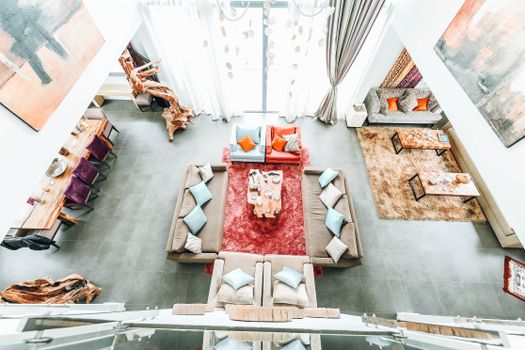
Colors have a psychological effect: warm tones like red and orange are inviting, while cool tones like blue and green are calming. For a lounge zone, more subdued, warm colors are suitable; for a work area, cool, clear tones. Patterns can set accents, but caution: too many patterns overwhelm the eye. A patterned rug should have quiet furniture and walls. Conversely, a plain rug can bring calm to a room with lively wallpaper or upholstery. A table helps with the choice:
| Zone | Recommended Color Direction | Pattern Recommendation |
|---|---|---|
| Living Area | Warm, neutral tones | Solid colors or subtle geometric patterns |
| Dining Area | Earthy tones or pastels | Simple rugs, stain-resistant |
| Work Area | Cool, concentration-promoting tones | Solid colors or stripes |
Use this psychology to strengthen each zone’s function.
Mistake 4: Forgetting Function and Maintenance
Materials for Different Zones
Each zone has different requirements for the rug. In the dining area, rugs made of robust materials like wool or synthetic fibers are ideal because they resist stains better. In the living area, soft materials like cotton or viscose are pleasant but more maintenance-intensive. A common mistake is placing a delicate rug in a high-traffic zone, leading to quick wear. Consider before buying how heavily the zone is used and whether children or pets are involved. A low-pile rug is easier to clean than a high-pile rug, which traps dust and dirt deeper.
Cleaning and Durability
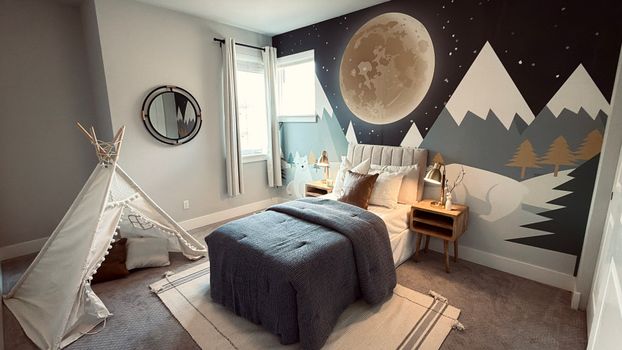
Regular care is crucial for longevity. Many underestimate the cleaning effort: a rug in the dining area requires frequent vacuuming and occasional stain removal, while a rug in the bedroom is less stressed. Follow the manufacturer’s care instructions. Use appropriate cleaning agents and a vacuum cleaner with a soft brush attachment to protect the fibers. For high-traffic zones, professional cleaning once or twice a year is recommended. This way, the rug stays beautiful and fulfills its function as a zoning element.
Mistake 5: No Clear Zone Definition
Design Transitions
A rug alone can define a zone, but transitions between zones are often tricky. Without clear boundaries, areas blur. Use the rug as a base and add additional elements to emphasize the borders. For example, furniture pieces like a sideboard or a plant can mark the transition. Also, the direction of the rug fibers can help: a rug laid crosswise can widen a zone, while one laid lengthwise can lengthen it. Ensure the rug is not too close to the wall—a distance of at least 30 centimeters from the wall creates a visual separation and makes the room appear larger.
Use Additional Elements
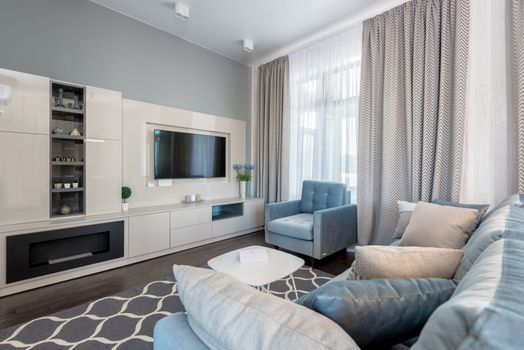
To reinforce zoning, you can combine the rug with other design elements. A floor lamp over the rug additionally defines the area, as does a low side table. In the living area, pillows or throws in similar shades can hold the zone together. In the dining area, a chandelier above the table provides vertical emphasis. However, avoid using too many elements, as this can overload the zone. A clear, reduced design with a maximum of two to three accents is more effective. This way, the rug becomes the centerpiece of a harmonious zone.
Frequently Asked Questions About Zoning with Rugs
How many rugs per room?
In an open space, you can certainly use several rugs to create different zones. However, ensure the rugs do not differ too much in color or pattern, so the room does not appear restless. One to three rugs are usually sufficient. In small rooms, often a single large rug is enough to define the area. Use rugs sparingly to avoid overload.
Can I mix different styles?
Yes, mixing different styles is possible but should be done thoughtfully. A modern high-pile rug can harmonize well with a traditional patterned rug if the colors are coordinated. The key is to choose a common color base. However, avoid combining too many contrasting patterns, as this quickly looks chaotic. An example: a geometric rug in the living area and a round flat-weave rug in the dining area can work if both are in earthy tones. Test the combination before buying with samples or sketches.