







Why Sustainable Materials Matter in the Bathroom
The bathroom is one of the most intensively used rooms in the household. We spend time there daily to care for ourselves and relax. At the same time, it is a space where water, heat, and chemical cleaning products meet. The choice of materials therefore influences not only the aesthetics but also the environmental balance. Sustainable materials reduce the ecological footprint, conserve resources, and ensure a healthier indoor climate. More and more manufacturers are relying on eco-friendly alternatives that combine durability and style.
Benefits of Eco-Friendly Bathroom Materials
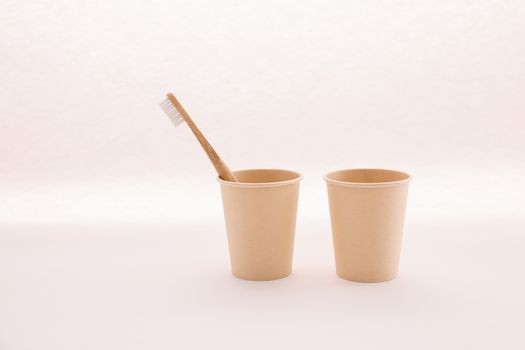
Eco-friendly bathroom materials offer a range of benefits: they are often free of pollutants, improve indoor air, and require less energy during production. Moreover, many sustainable materials like bamboo or cork are naturally moisture-resistant and durable. Disposal at the end of their life is also more positive due to biodegradability or recyclability. For you as a builder or renovator, this means fewer chemicals, a better environmental footprint, and a clear conscience.
Sustainability Meets Aesthetics
In the past, sustainable materials were often considered rustic or simple. Today, they offer a wide spectrum of designs – from minimalist to luxurious. Recycled glass in rich colors, elegant cork floors, or natural linoleum surfaces create accents. Sustainability does not have to come at the expense of aesthetics, but can even enrich it. Many products are available in modern colors and shapes that fit harmoniously into any bathroom interior ideas concept.
Top Sustainable Materials for Your Bathroom
The selection of eco-friendly materials is constantly growing. Here we introduce the four main categories that are particularly suitable for the bathroom area.
Bamboo as a Fast-Growing Raw Material
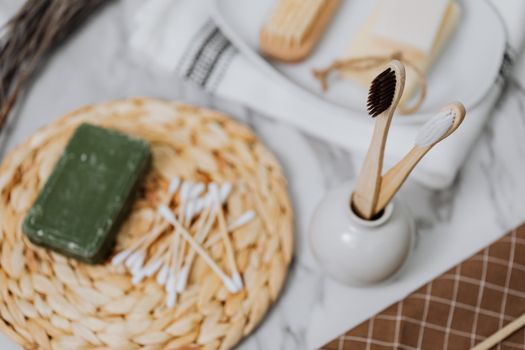
Bamboo is one of the fastest-growing materials in the world. It requires no pesticides and little water. For the bathroom, bamboo is excellent as furniture wood, for vanity units, shelves, or accessories. Important: Make sure the surface is sealed to resist moisture. Bamboo is harder than oak and lighter – ideal for modern bathrooms.
Recycled Glass for Sinks and Tiles
Recycled glass is obtained from waste glass and processed into new surfaces. It creates beautiful sinks, countertops, and tiles with a unique play of colors. The manufacturing process consumes less energy than new products. Additionally, the material is scratch-resistant and hygienic. Look for products made from 100% recycled glass without additional impregnations.
Linoleum from Natural Raw Materials
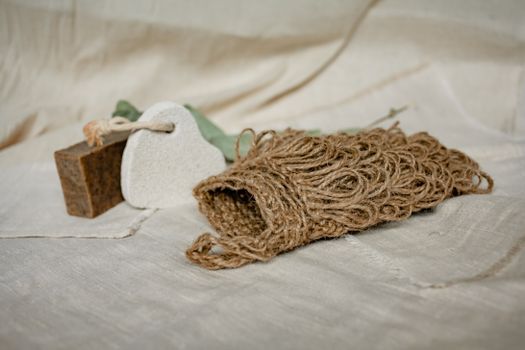
Linoleum consists of linseed oil, jute, cork flour, and wood flour – all natural and renewable raw materials. It is antistatic, moisture-resistant, and available in many colors. Linoleum is perfect for bathroom floors and walls. Unlike PVC, it contains no plasticizers and is biodegradable. Maintenance is simple: regular wiping with a mild cleaning agent is sufficient.
Cork as an Insulating Floor Covering
Cork is obtained from the bark of the cork oak, which regenerates after harvest. It is an excellent insulator against cold and sound. In the bathroom, cork feels warm and pleasant. Choose sealed cork tiles with a water-repellent protective layer. Cork is also elastic and cushions falls – a plus for families with children.
Comparison: Sustainability, Costs, and Care
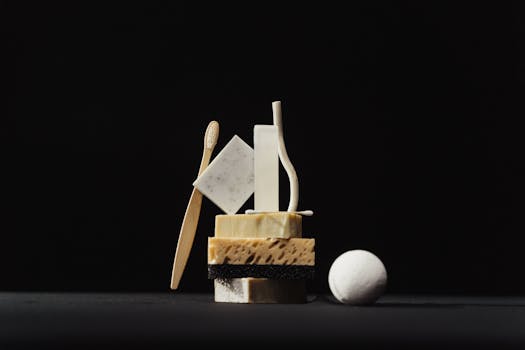
To make your decision easier, we have compared the most important sustainable materials in a table. Note that prices may vary depending on the manufacturer and quality.
| Material | Sustainability | Cost per m² (approx.) | Care Effort |
|---|---|---|---|
| Bamboo | Very good (fast-growing) | $30–80 | Low (occasional oiling) |
| Recycled Glass | Very good (recycling) | $100–250 | Low (mild cleaners) |
| Linoleum | Very good (renewable, biodegradable) | $20–60 | Medium (regular care) |
| Cork | Good (regenerative, biodiverse harvest) | $25–70 | Low (sealed surface) |
What to Look for in Care
Sustainable materials are generally easy to care for, but there are differences: Bamboo should be wiped with a damp cloth and occasionally treated with natural oil. Recycled glass cannot tolerate abrasive cleaners – mild soapy water is ideal. Linoleum must be rubbed dry after cleaning to avoid water spots. Cork floors are uncomplicated due to sealing, but aggressive cleaners should be avoided. For all materials, do not let moisture sit; dry off briefly after showering.
Tips for Choosing Sustainable Bathroom Products
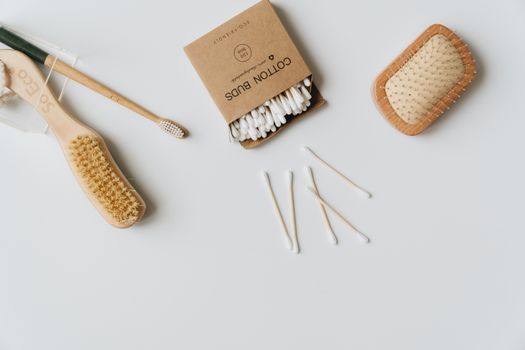
When purchasing bathroom furniture and accessories, proper labeling plays a big role. With these tips, you can reliably find sustainable products.
Recognizing Certifications and Labels
Look for recognized eco-labels such as the Blue Angel, FSC for wood products, Cradle-to-Cradle for circular materials, or the EU Ecolabel. These seals guarantee that strict ecological and social standards are met. Products with the Blue Angel are tested for harmful substances and are resource-efficient. For bamboo and wood, the FSC label is especially important. Packaging should also be recyclable. Inform yourself on manufacturer sites about specific certificates before purchasing.
Suppliers for Sustainable Bathroom Furniture
Some manufacturers and online shops specialize in sustainable bathroom solutions. Examples include “Green Bathroom”, which offers products made from recycled materials, or providers with FSC-certified wooden furniture. Also look for local carpentry shops or craft businesses that create custom solutions from renewable materials. Compare offers in terms of material origin, transport routes, and packaging. Especially for larger projects, a personal conversation with the seller is worthwhile.
Frequently Asked Questions About Sustainable Bathroom Materials

Are sustainable materials more expensive?
Purchase costs can vary by material. Bamboo and linoleum are often more affordable than exotic stones or high-gloss surfaces. Recycled glass can be more expensive to produce than simple ceramic, but offers an exceptional look. In the long run, you often save money due to durability and lower maintenance effort. Sustainable materials are also a value investment, as they can increase the resale value of your property.
How long do eco-friendly bathroom materials last?
With good care, bamboo furniture lasts 15–20 years, linoleum floors up to 30 years, and cork floors 20–25 years. Recycled glass is nearly indestructible. Lifespan heavily depends on processing quality and proper installation. Choose products with a warranty and pay attention to protective layers. Regular cleaning with mild agents additionally extends durability.