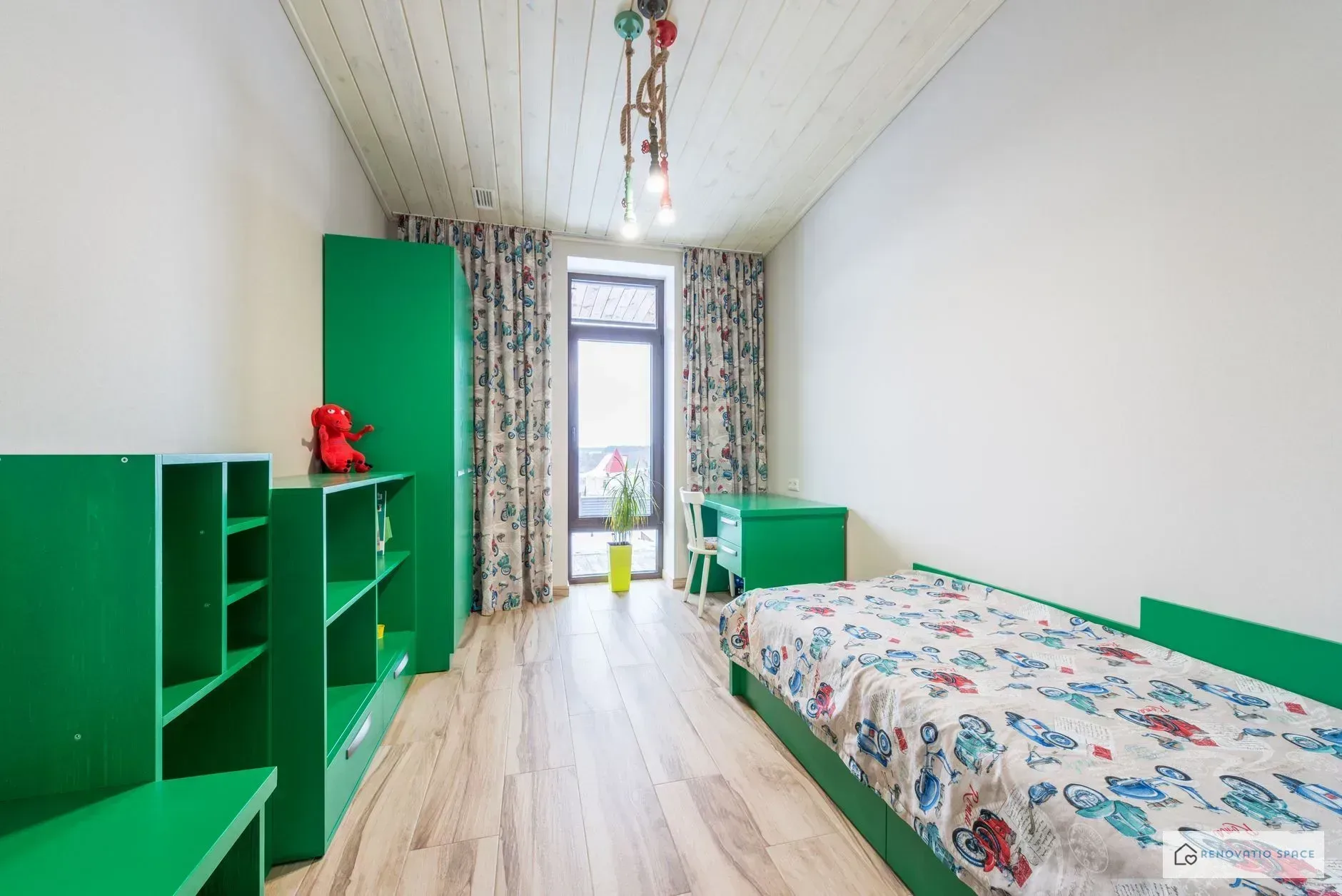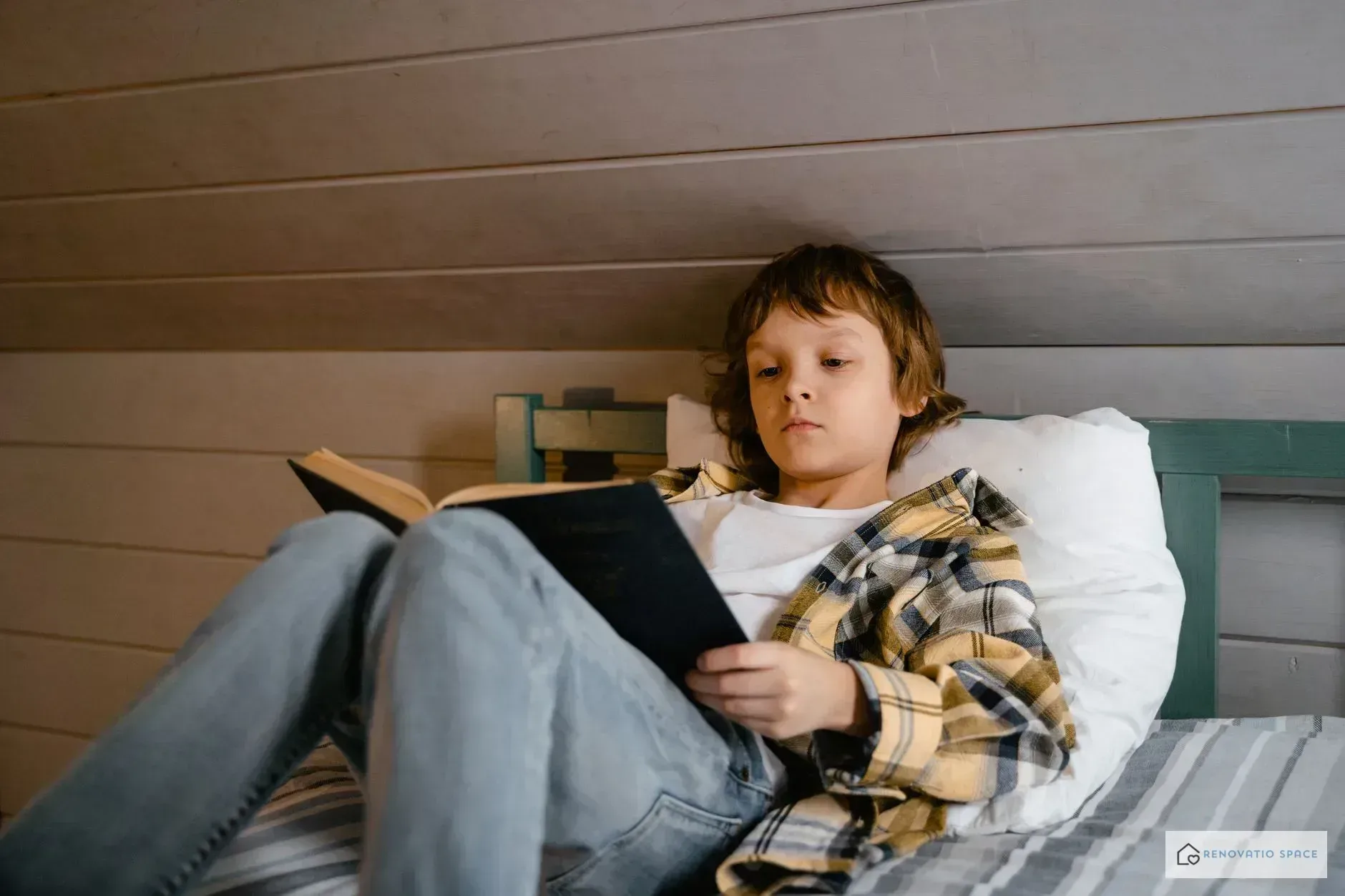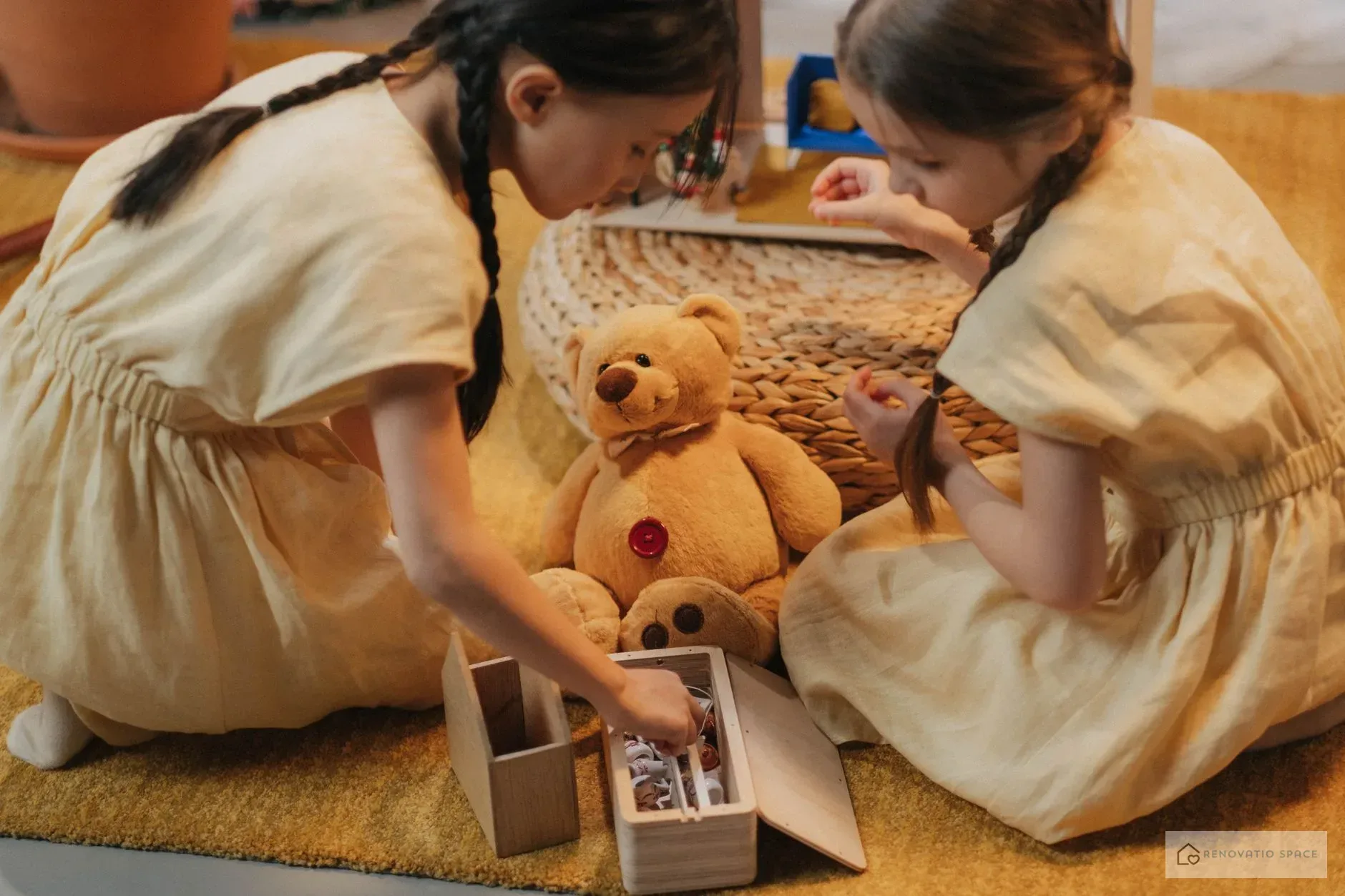







You’ve decided it’s time to replace the worn-out carpet or scratched hardwood in your child’s room. But with so many choices—carpet vs hardwood, vinyl vs cork—which flooring actually survives juice spills, toy trucks, and allergy season without breaking the bank? Below we answer the most common questions parents ask about the best flooring for kids’ rooms.
1. What is the best flooring for a kids’ room overall?
The answer depends on your priorities, but many parents choose luxury vinyl plank (LVP) or sheet vinyl. It’s waterproof, durable, easy to clean, and available in wood-look or tile-look designs. For a warmer, softer feel with eco-friendly credentials, cork is a rising star. If you value softness and noise reduction above all, high-quality carpet with a low pile can work—but be ready for stains.
2. Carpet vs hardwood for kids’ bedroom: which wins?
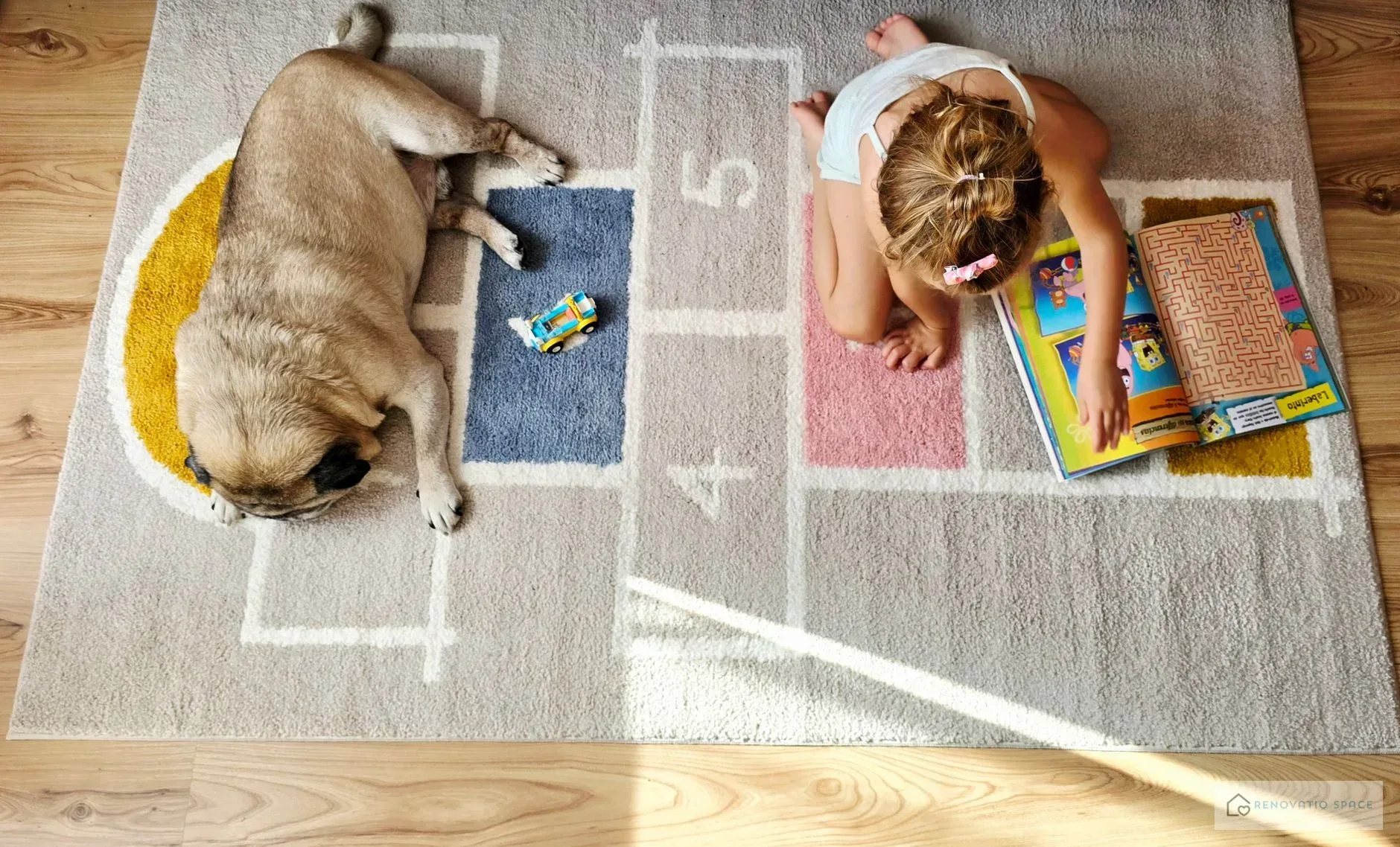
Hardwood looks beautiful and lasts decades, but it scratches easily under toy cars and can be slippery. Carpet is soft and quiet, but traps allergens and shows crumbs. A popular compromise is children’s room ideas that combine hardwood (or a hardwood-look vinyl) with washable area rugs. That way you get durability underfoot and a soft play zone that you can replace when it gets messy.
| Feature | Carpet | Hardwood |
|---|---|---|
| Softness underfoot | Excellent | Low |
| Durability / scratch resistance | Moderate (can get matted) | Low (scratches easily) |
| Stain resistance | Poor | Fair (needs sealing) |
| Allergy friendliness | Poor (traps dust) | Good (easy to sweep) |
| Noise reduction | Good | Poor (echoes footsteps) |
| Cost (materials + install) | $–$$ | $$$ |
3. What is the best flooring for a nursery room?
For a nursery, safety and comfort are top of mind. The best flooring for a nursery room is one that’s soft enough for tummy time but easy to wipe when accidents happen. Cork or foam-backed vinyl sheet flooring are top picks. Cork is naturally antimicrobial, warm underfoot, and gives a little bounce—perfect for crawling babies. If you prefer carpet, choose a low-VOC, stain-resistant nylon carpet with a dense pad underneath.
4. Best flooring for kids’ rooms on a budget
You don’t need to spend a fortune. The best flooring for kids’ rooms on a budget is often luxury vinyl plank or peel-and-stick vinyl tiles—both start around $2–$4 per square foot. They look like wood or stone, are waterproof, and you can install them yourself. Another wallet-friendly option: engineered hardwood (thinner real wood top) if you find a sale. Avoid cheap laminate that bubbles when wet.
5. Durable flooring for active children: what holds up best?
If your kids run, jump, roll toy cars, and build forts, you need something that will not show every scratch. The most durable flooring for active children is sheet vinyl (commercial grade) or LVP with a thick wear layer (20 mil or more). Rubber flooring, used in gyms, is also incredibly tough and comes in tiles for a play area. Hardwood can be refinished but only so many times—so save it for a living room.
6. Easy to clean flooring for kids’ rooms
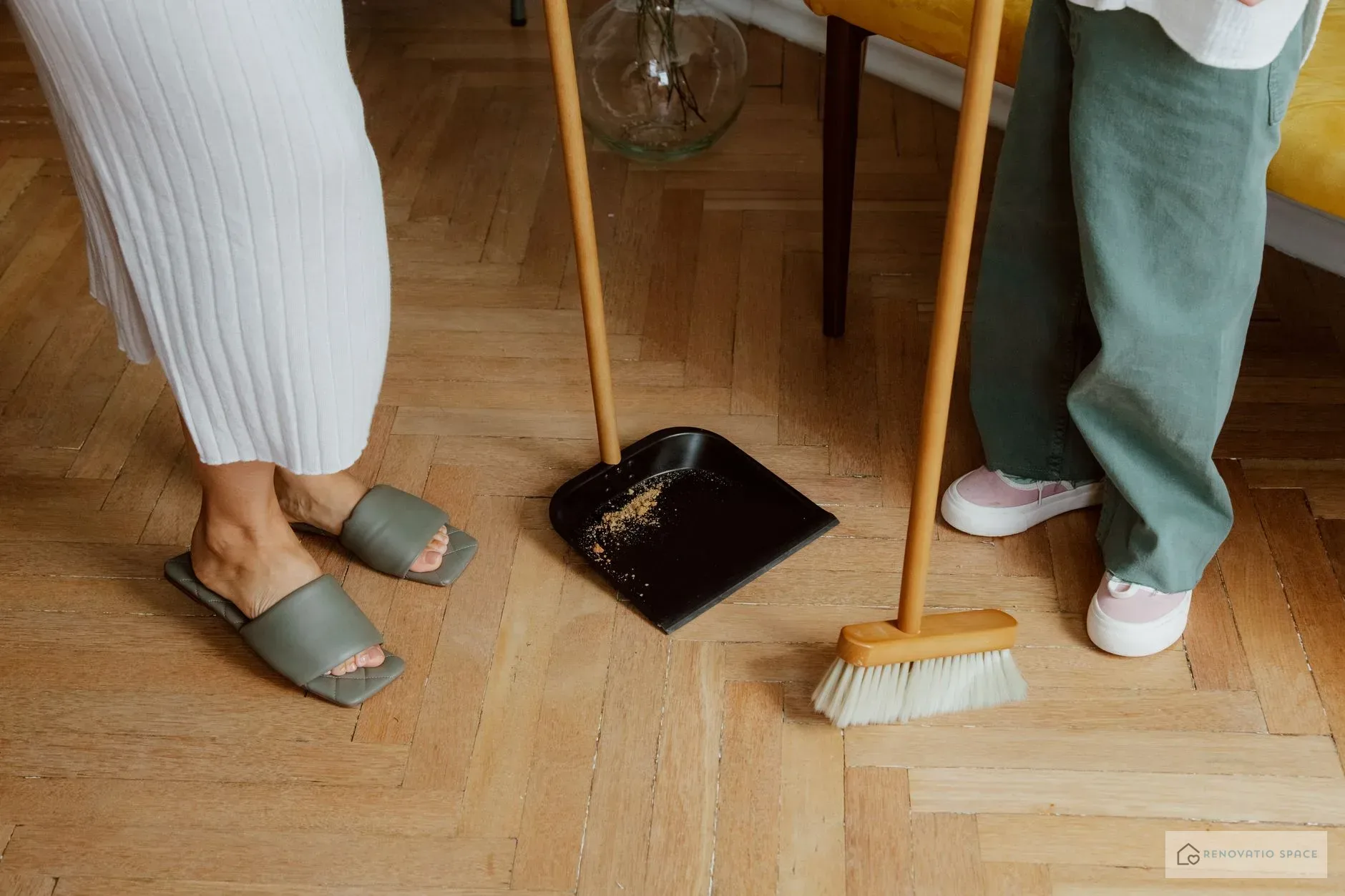
Spills happen daily—milk, paint, marker, mud. An easy to clean flooring for kids’ rooms is waterproof and smooth. Vinyl planks and sheet vinyl win here: just sweep and mop. Tile (porcelain or ceramic) works too, but it’s cold and hard. Avoid textured or hand-scraped surfaces that trap dirt. For quick cleanups, a handheld vacuum on hard floors is faster than trying to shampoo a carpet stain.
7. Eco-friendly flooring for children’s rooms
Unsure about interior ideas that are also green? Look for eco-friendly flooring for children’s rooms made from natural or recycled materials. Cork is a renewable bark harvested without killing trees. Bamboo (a grass) grows fast and makes durable planks. Linoleum (not vinyl)—made from linseed oil, wood flour, and jute—is biodegradable and naturally antimicrobial. All three are low-VOC and safe for sensitive lungs.
8. Flooring for kids’ rooms that is warm underfoot
Cold floors on winter mornings make kids grumpy. The warmest choices are cork, carpet, or any floor with an underlayment of radiant heating. Cork stays at room temperature naturally. For vinyl or tile, install electric radiant mats below—expensive initially but cozy. Thick wool or synthetic area rugs also add warmth on top of any hard surface.
9. Flooring for kids’ rooms with allergies
If your child has asthma or allergies, choose hard surfaces that don’t harbor dust mites, pet dander, or mold. The best flooring for kids’ rooms with allergies is smooth vinyl, tile, or hardwood with a sealed surface. Avoid wall-to-wall carpet. If you want softness, use a washable, low-pile wool or synthetic rug. Cork’s natural antimicrobial properties also help reduce allergens. Vacuum weekly with a HEPA filter.
10. Flooring for kids’ rooms with pets
Pets bring fur, scratches, and occasional accidents. Flooring for kids’ rooms with pets must be scratch- and moisture-resistant. Luxury vinyl plank is the top pick—paws don’t dent it, and pee wipes up without odor. Tile works but can be slippery for dogs. Avoid carpet—fur and smells get trapped. Laminate is not waterproof and can swell near pet bowls.
11. How to choose flooring for a kids’ room: a step-by-step approach
- List your top priorities: waterproof, soft, budget, eco-friendly, allergy-safe? Mark the top 3.
- Decide on the surface feel: do you want hard (vinyl, tile, hardwood) or soft (cork, carpet)?
- Check installation cost and time: peel-and-stick vinyl is DIY; hardwood and tile usually need pros.
- Sample at home: order 2–3 samples and live with them for a week under different lighting and with toys.
- Consider maintenance: are you willing to vacuum carpet weekly or sweep vinyl daily? Choose accordingly.
12. How to clean kids’ room flooring
Vinyl and tile: sweep or vacuum daily, mop weekly with water and a pH-neutral cleaner (no wax). Hardwood: use a microfiber mop and a cleaner made for wood; never wet-mop. Carpet: vacuum 2–3 times per week, spot-clean with a mild detergent, and do a deep steam clean every 6 months. Cork: sweep and use a damp mop (never soak). Always blot spills, never rub.
13. Noise reduction flooring for kids’ bedrooms
Footsteps and dropped toys are loud. The best noise reduction flooring for kids’ bedrooms is carpet with a thick pad (foam or rubber). If you prefer hard flooring, add an acoustic underlayment beneath vinyl or laminate to muffle sound. Cork floorings also absorb impact noise naturally. For an existing hard floor, layer a large plush rug over a rug pad.
14. Non-toxic flooring for kids’ room: what to avoid
Many budget vinyls and laminates contain phthalates, formaldehyde, and other VOCs that off-gas for months. To get truly safe options for children’s bedrooms, look for products labeled