




Your two children share a room, yet every evening ends with arguments over toys, homework, and bedtime. The problem is not the kids themselves — it’s the lack of clear boundaries. A shared room without defined zones invites chaos. Let’s fix that.
1. Assess the Room and Your Children’s Needs
Before buying children’s room ideas from a catalog, measure the space and note doors, windows, and built-in elements. Then think about each child individually: one may need quiet for reading while the other wants to build forts. Identifying those priorities is critical for zoning a shared room for two children.
2. Choose a Core Layout Strategy
There are three common strategies to how to divide a shared kids room:
- Symmetrical layout – two identical beds, desks, or storage units facing each other or placed side by side.
- Zonal layout – one side for sleep, the other for play and study.
- L-shaped placement – beds along perpendicular walls to create an open central area.
For narrow spaces, placing beds along the longest wall and using the opposite wall for desks works well.
3. Create a Sleeping Zone That Feels Private
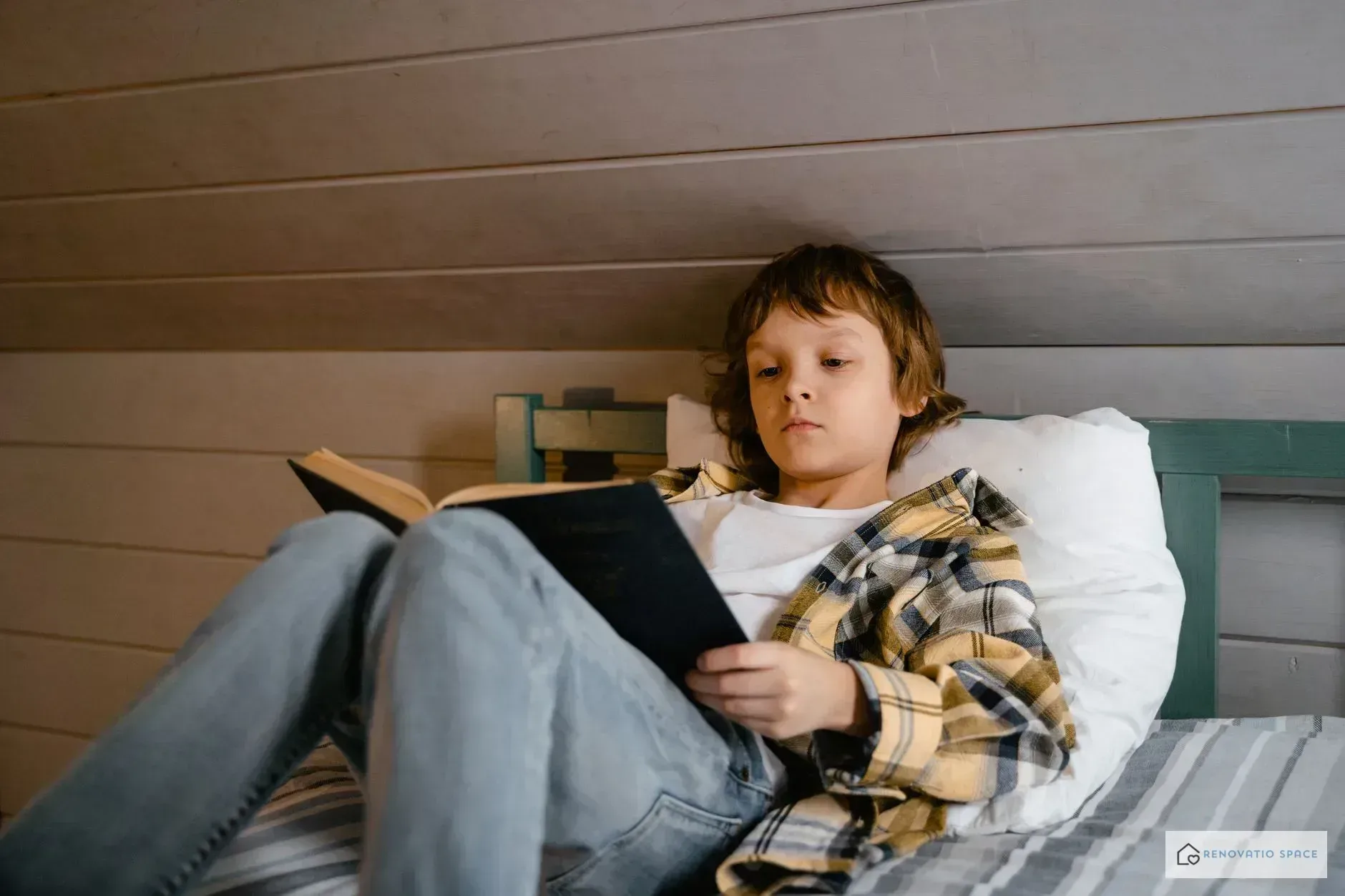
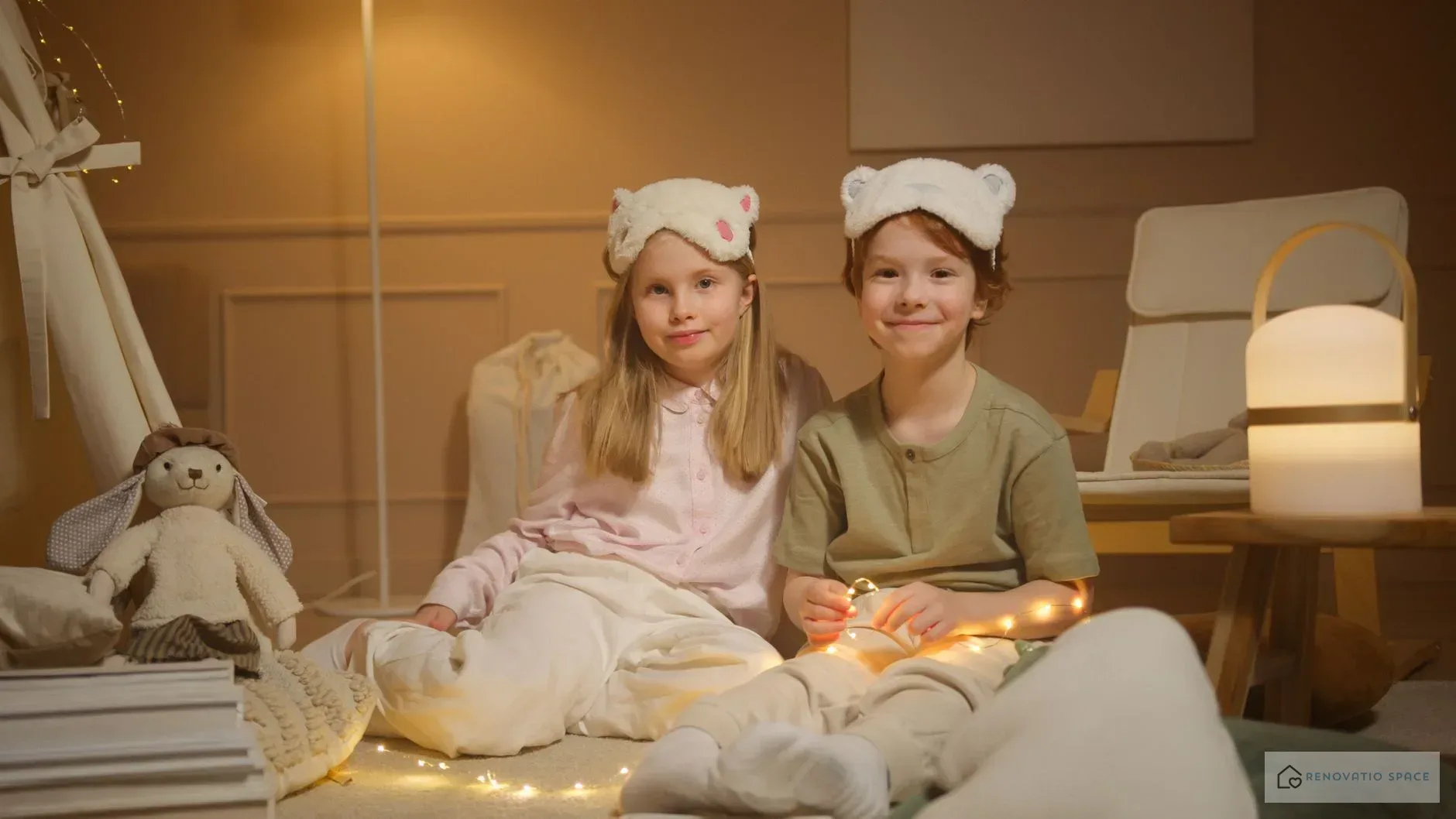
Sleep is non-negotiable. Each child needs a distinct rest area. Privacy solutions for siblings sharing a room include:
- Using room dividers (curtains, folding screens, or half-walls)
- Positioning beds head-to-head or foot-to-foot with a low shelf between
- Installing canopy covers over each bed
For best room dividers for kids shared room, look for lightweight, safe options like fabric panels on ceiling tracks or tall bookcases that double as storage.
4. Carve Out a Dedicated Play Zone
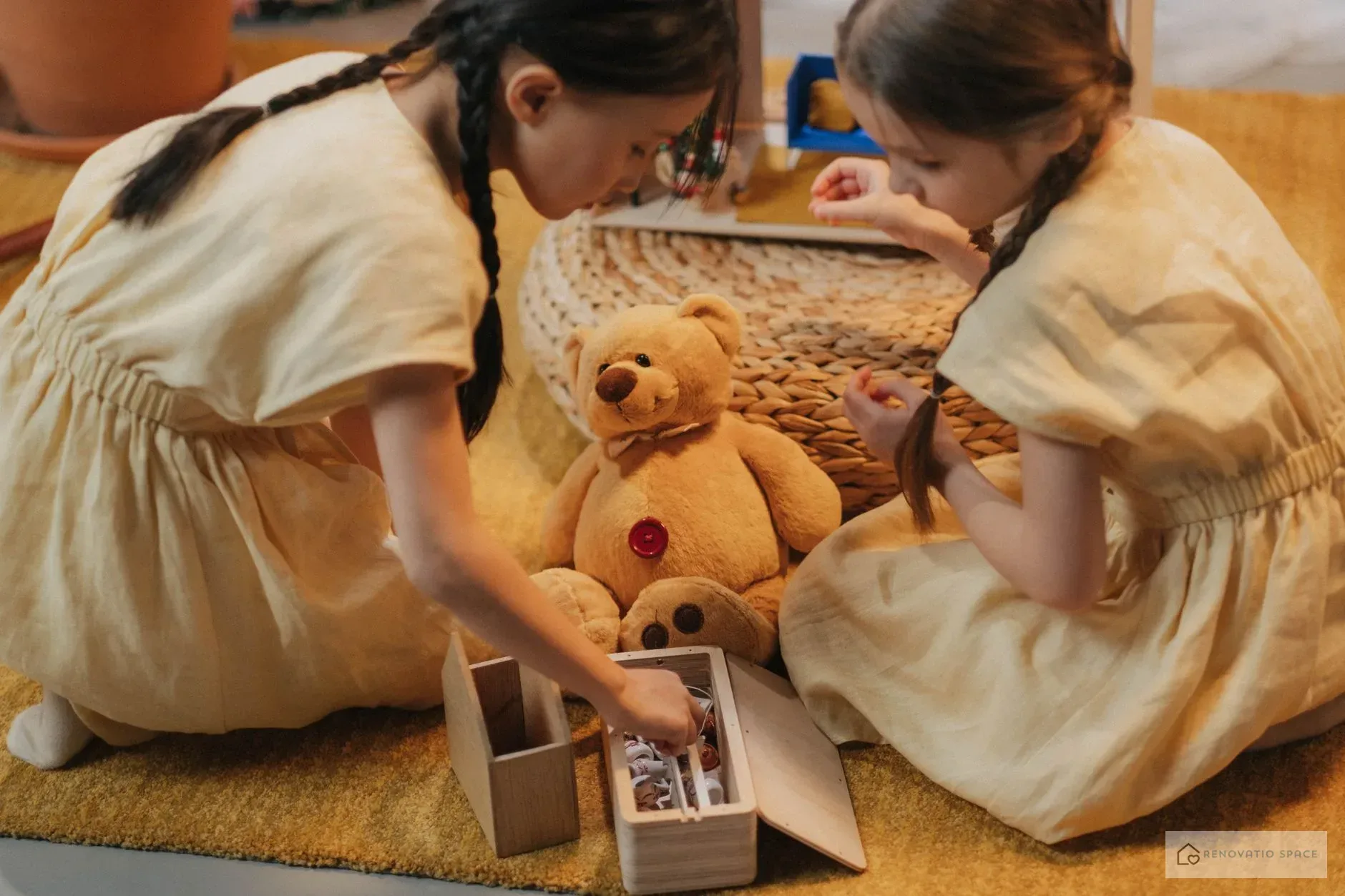
All children need a space to be messy. A play zone should be visible from the door (so you can supervise) but separate from the sleeping area. Use a soft rug, low shelves, and a small table. Think about how to balance play and sleep in a shared room by setting clear rules: toys stay on the play rug after dinner, and lights go off in that zone at bedtime.
5. Set Up Functional Learning Zones
Learning zones in a shared children’s room are essential once a child reaches preschool or school age. If space allows, provide two desks. For tight rooms, use a single long desk with a partition in the middle. Equip each desk with adequate lighting and a personal pegboard for supplies. How to organize a shared room for two children with school materials: assign color-coded bins to each child to avoid conflicts.
6. Use Color Coding to Visually Separate Zones
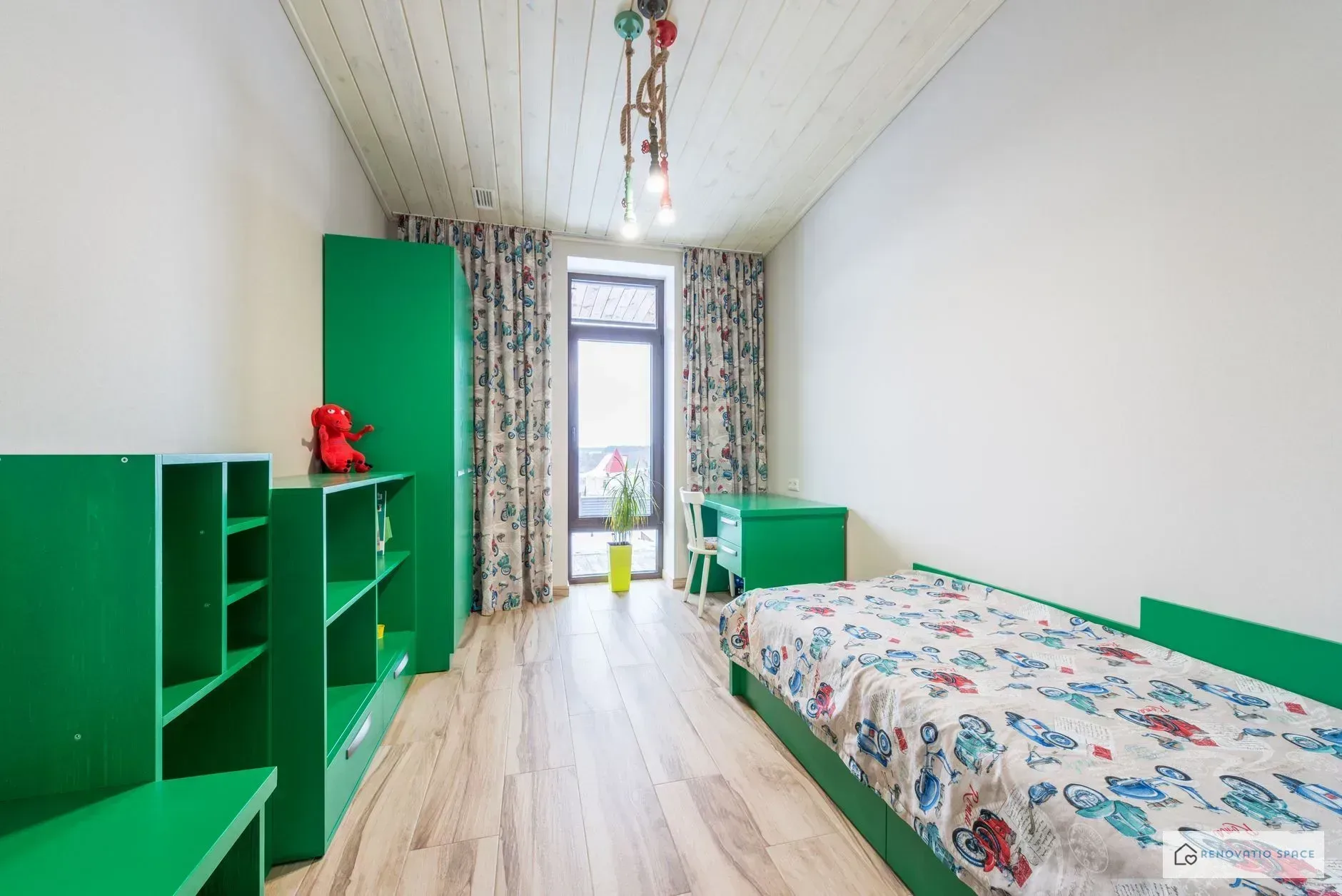
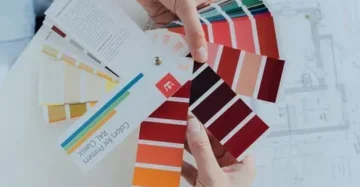
Color coding zones in a shared children’s room works because the brain already links color to location. Assign a main color to each child (e.g., blue for one, green for the other) and repeat it in their bedding, chair cushion, and storage boxes. Use a neutral background (white walls, gray carpet) to avoid visual overload.
7. Maximize Storage in Every Zone
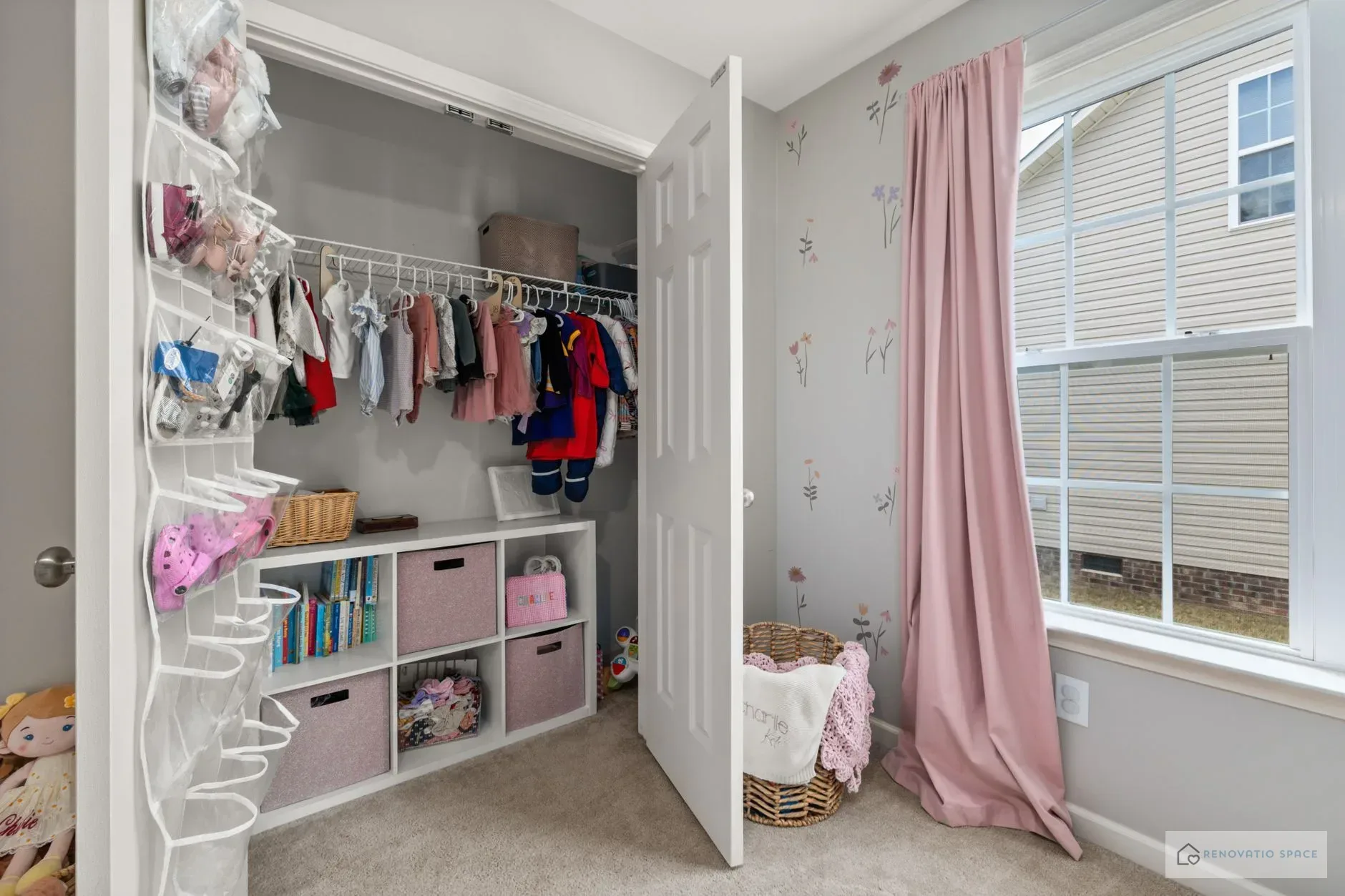
Shared room storage ideas for siblings should keep clutter at bay without eating floor space. Consider:
- Under-bed drawers on casters
- Wall-mounted cabinets above desks
- Over-the-door organizers for small toys
- Vertical cube shelving that divides the room visually
A good rule: each child gets a personal cubby or drawer that the other cannot touch.
8. Address Common Problems with Shared Kids Rooms
Real parents report these problems with shared kids rooms and solutions:
| Problem | Solution |
|---|---|
| Bedtime arguments | Stagger bedtimes by 20 minutes; use a reading corner for the older child |
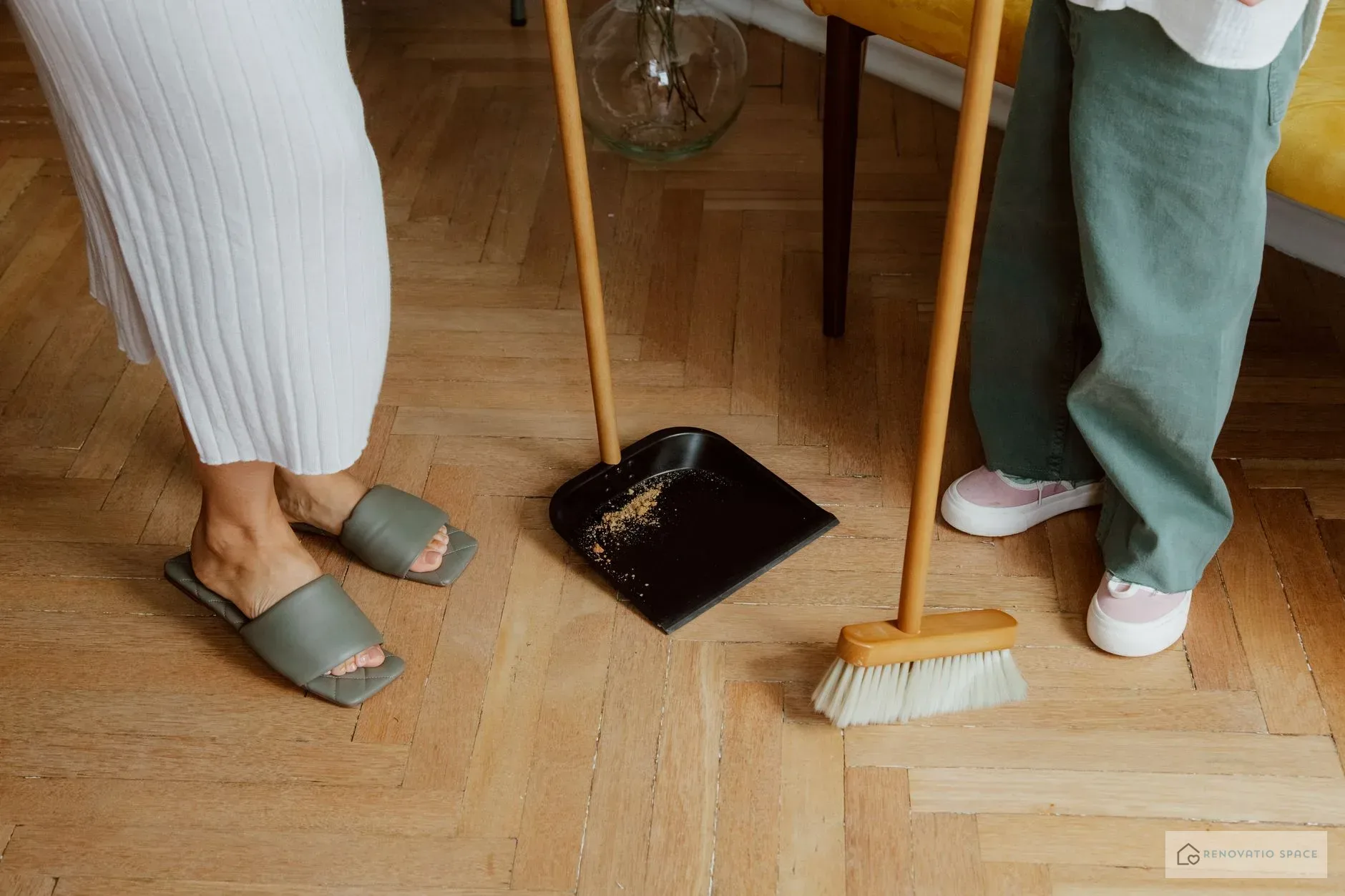
| Toys scattered everywhere | Zone-based cleaning routine: each zone gets a 5-minute tidy |
| No privacy for siblings of different ages | Install a floor-to-ceiling curtain or a sliding panel |
| Desk space too small | Use a folding wall desk for one child |
9. Choose Furniture That Works for Two
Shared room furniture ideas for two kids include bunk beds (free up floor space), loft beds with a play area underneath, and modular shelving that can be reconfigured. For shared bedroom layout ideas for siblings, consider placing beds at opposite ends of the room with a central common area.
10. Additional Tips for Decorating a Shared Kids Room
Tips for decorating a shared kids room that end up in sibling peace treaties:
- Use a unified neutral base (wall color, window treatment) to make the room feel calm
- Let each child choose one personal wall decoration (poster, photo, artwork)
- Incorporate a shared feature (a large world map, a chalkboard wall) that encourages collaboration
- If the room is for a boy and a girl, avoid stereotyped “boy” and “girl” colors; opt for nature-inspired tones that both enjoy
11. Implement the Zones Step by Step
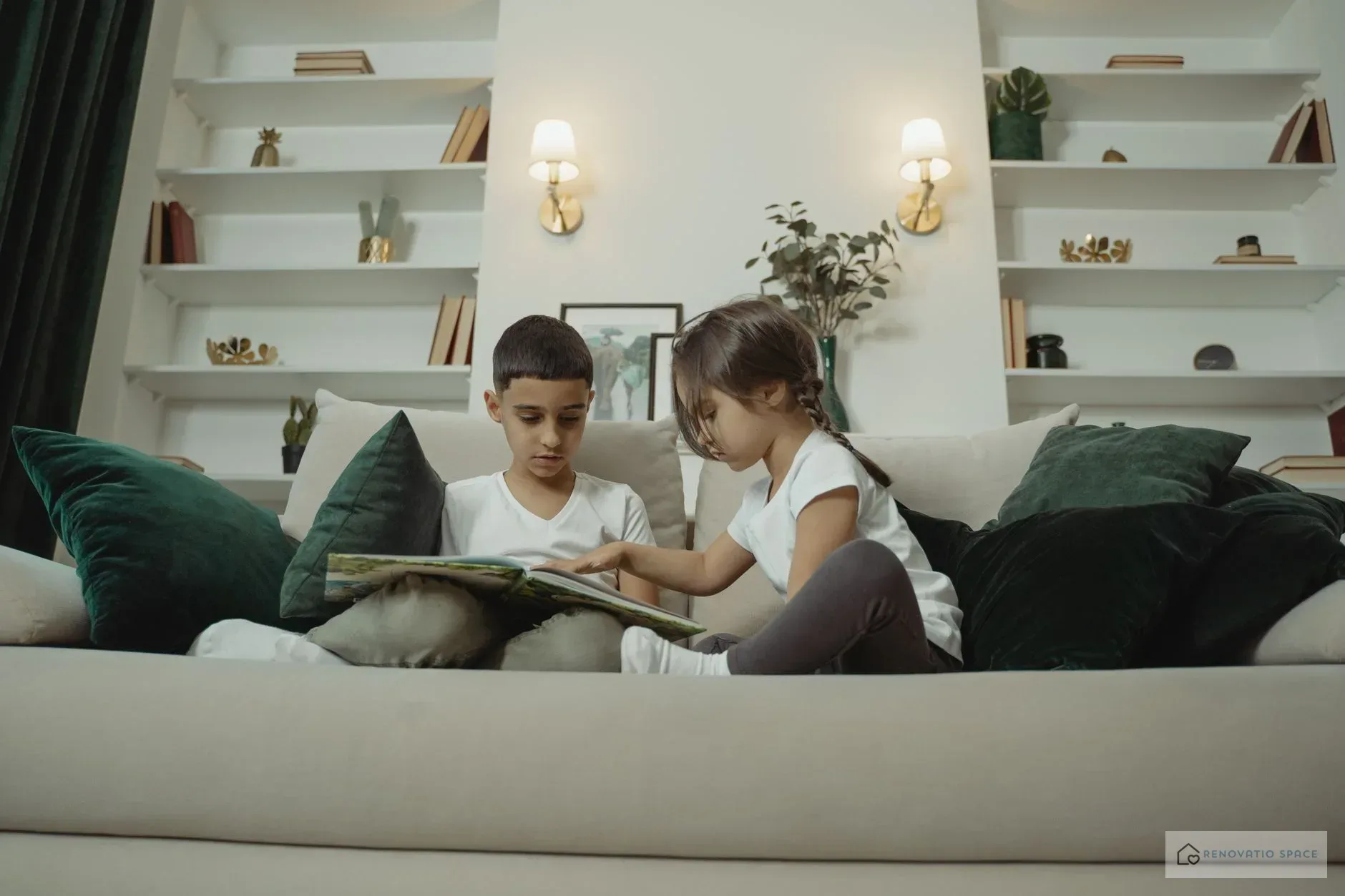
Here is a practical sequence to how to create separate zones in a shared kids room:
- Clear the room completely — deep clean and paint if needed.
- Measure and mark each zone on the floor with painter’s tape.
- Install major furniture — beds, desks, storage units.
- Add dividers — curtains, shelving, or screens.
- Style each zone with rugs, cushions, and color accents.
- Organize storage — label bins and assign responsibilities.
12. Final Checklist for a Zoned Shared Room
- ☐ Each child has a dedicated sleep spot with personal space
- ☐ Play zone is clearly separated from sleep and study zones
- ☐ Each learning zone has a desk, chair, and task lighting
- ☐ Storage is zoned per child with clear labeling
- ☐ Room dividers are safe, stable, and child-friendly
- ☐ A color coding system is in place (bedding, bins, chair covers)
With a well-planned layout, zoning a shared room for two children transforms a potential battleground into a space where both kids can grow, play, and rest — without daily drama. Explore more children’s room ideas for your own project, or check out interior ideas that work for the whole house.