






Definition: Room Zoning in the Living Room
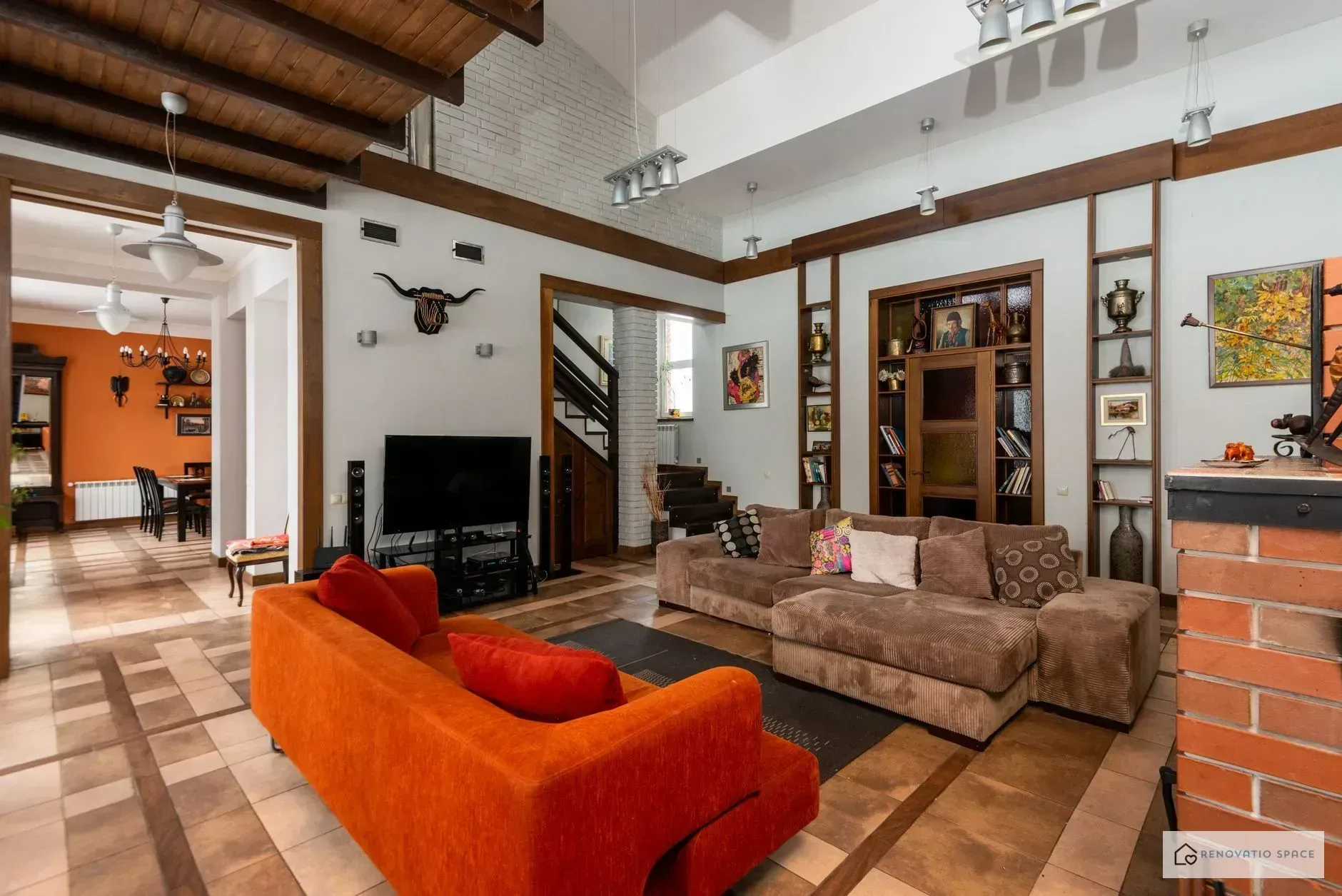
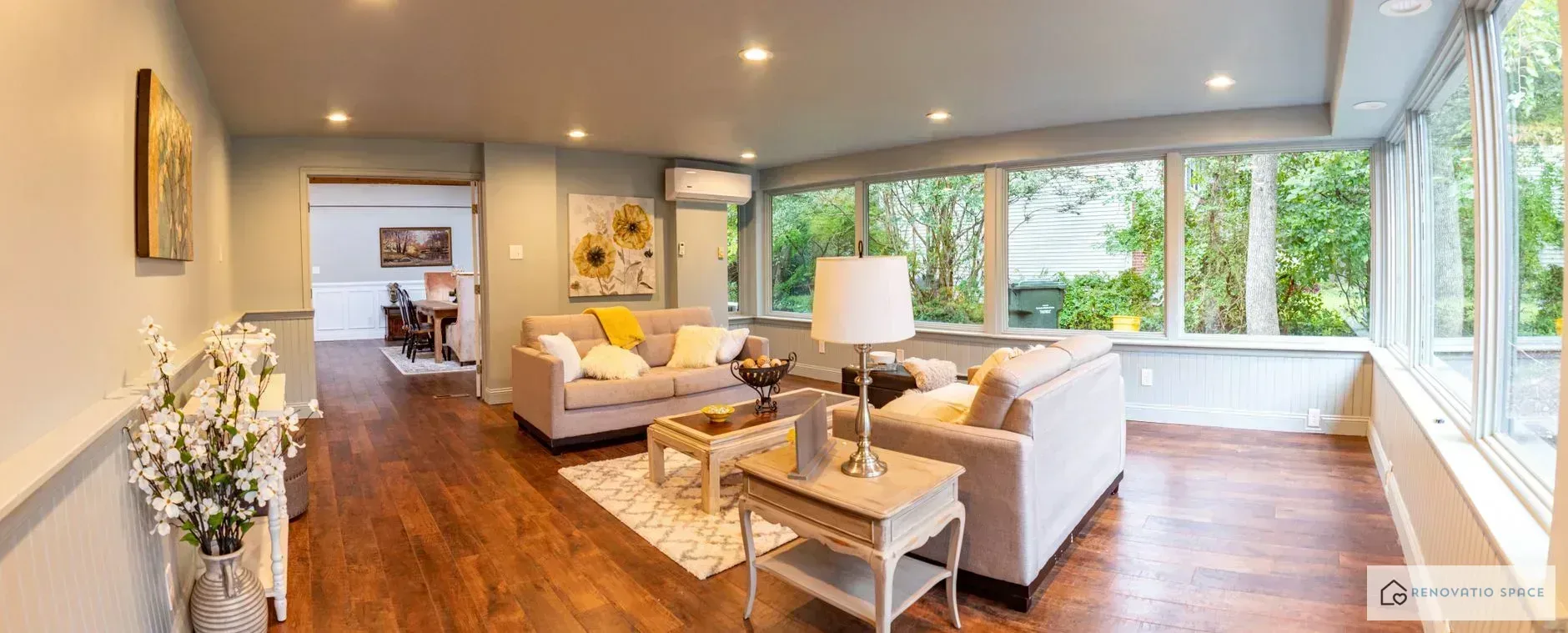
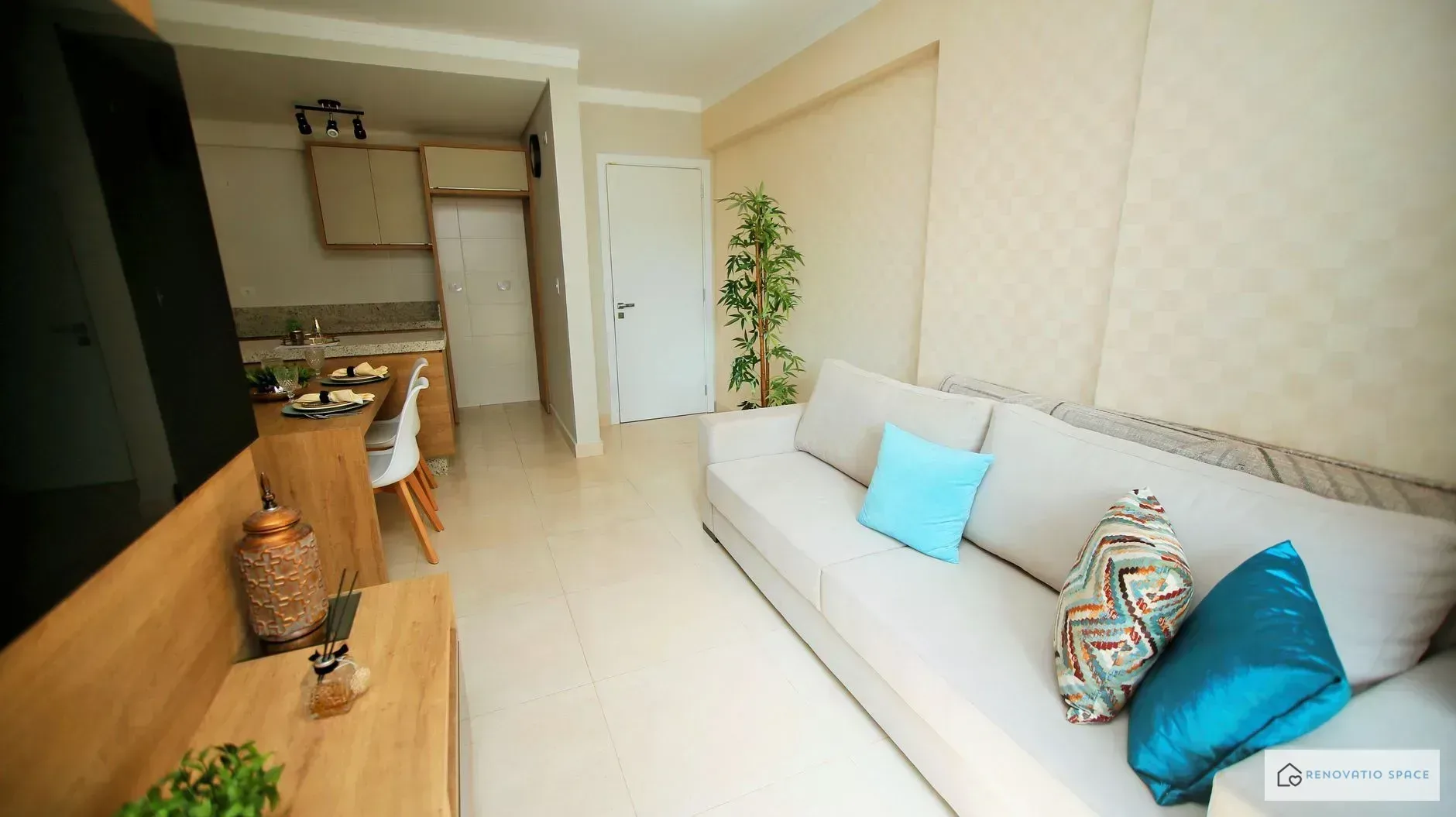
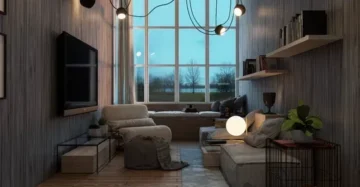
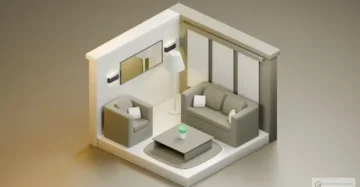
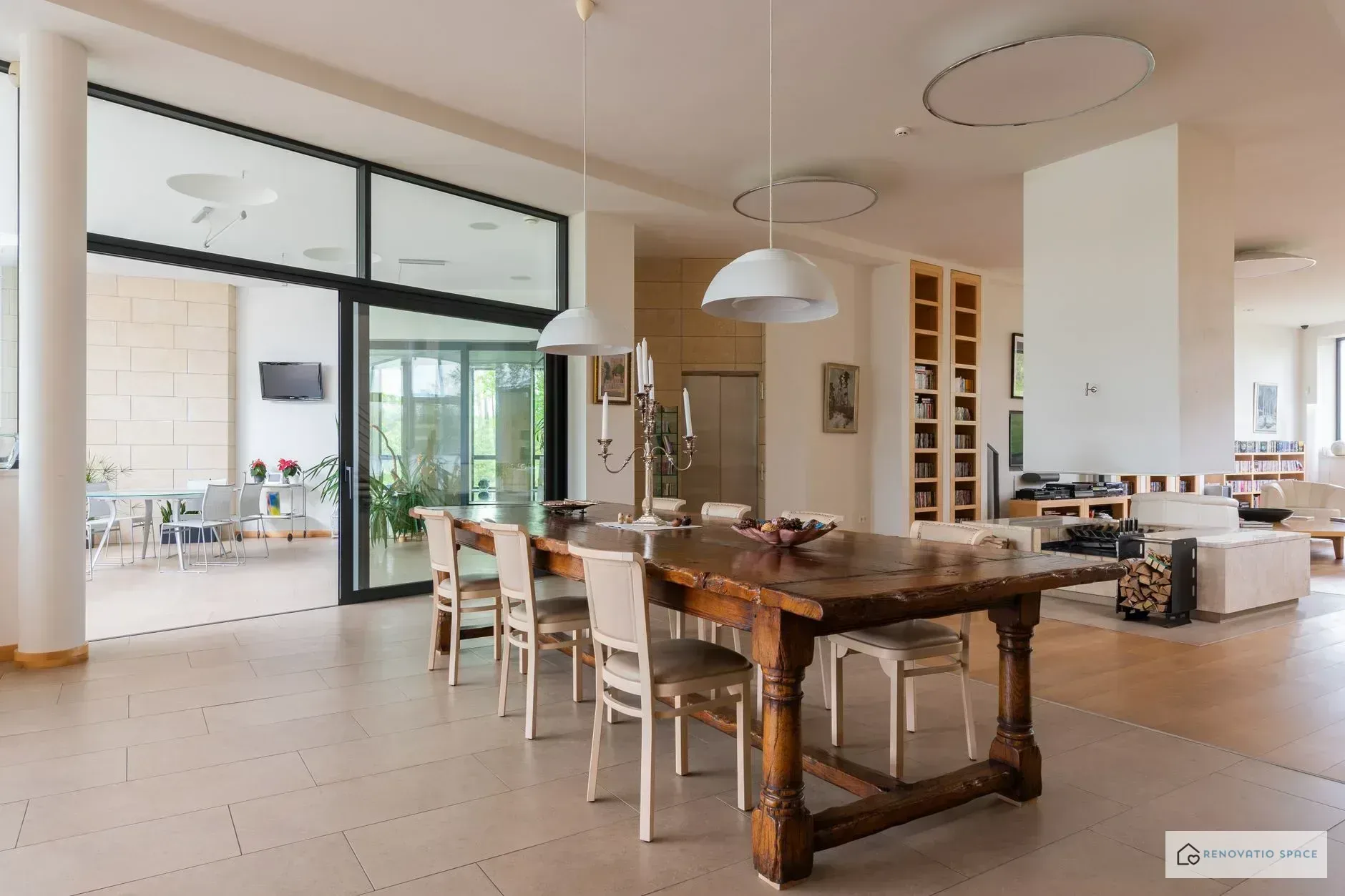
Room zoning means dividing a large, open space – like a living room – into different, clearly defined areas. Each zone serves a specific function, such as relaxing, eating, working, or playing. Furniture, rugs, curtains, or color accents can act as room dividers without the need for permanent walls.
Benefits of Room Zoning
1. More Order and Structure
By zoning, each area gets a fixed purpose. This prevents chaotic clutter and makes everyday use easier.
2. Optimal Space Utilization
Even small living rooms appear larger when logically divided. Every square meter is used efficiently, for example by combining a dining area and a reading nook.
3. Flexibility and Adaptability
Room zoning can be changed at any time, for example by rearranging furniture or swapping rugs. This allows the space to adapt to new life stages or needs.
Practical Tips for Implementation
- Use rugs: Place different rugs for different zones, e.g., a large one in front of the sofa for the seating area and a smaller one under the dining table.
- Use furniture strategically: A shelf or sideboard can act as a room divider without blocking the line of sight.
- Play with light: Different light sources (floor lamp in the reading nook, pendant light over the table) highlight the zones.
- Colors and materials: A color palette with boundaries – e.g., an accent stripe on the wall behind the sofa – can visually separate zones.
Conclusion
Room zoning is a simple yet powerful tool to make your living room more functional, cozy, and attractive. Especially in open floor plans, it creates clarity and personality – give it a try!