









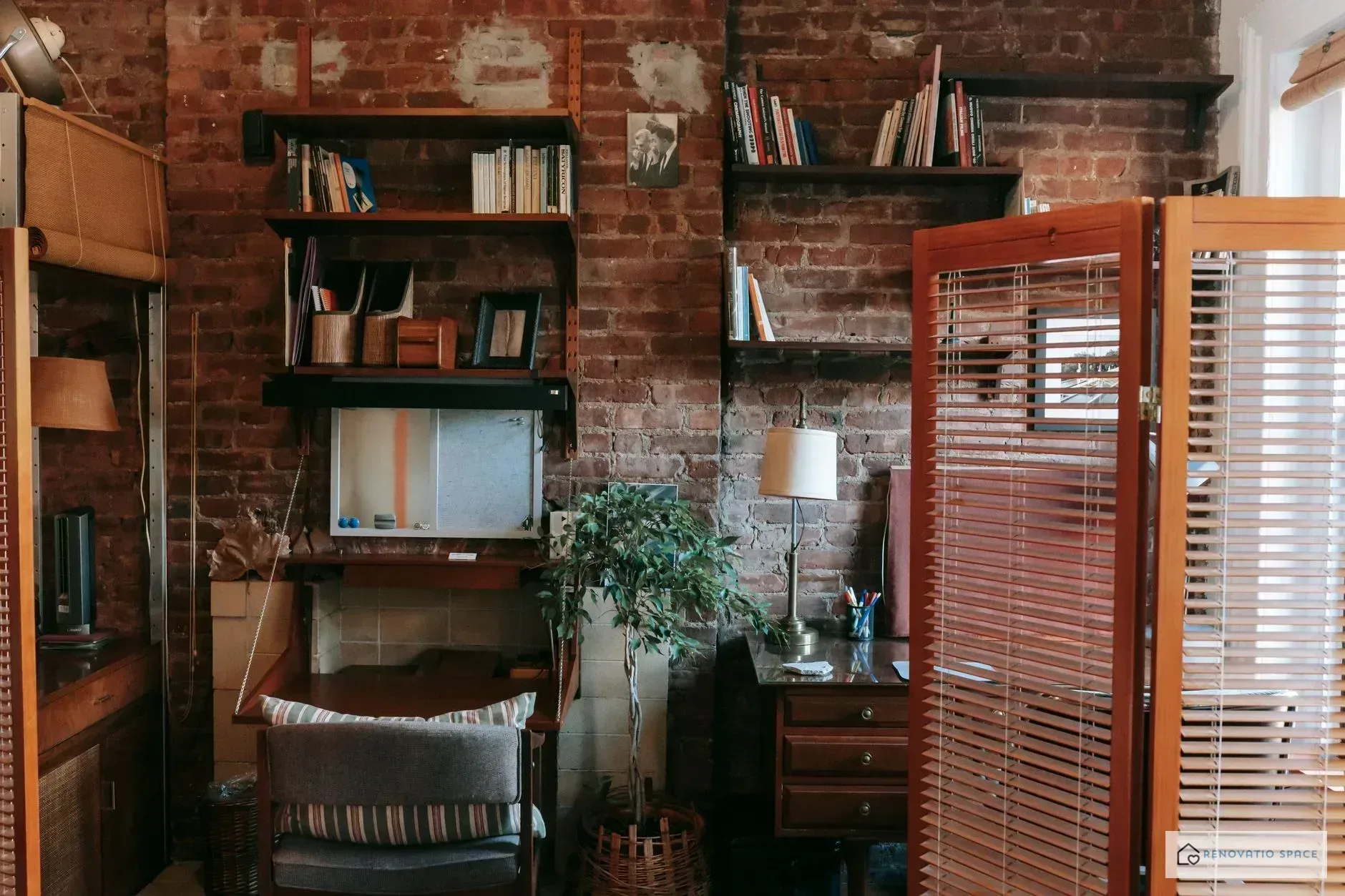
Introduction: Two Creative Ways to Divide a Room
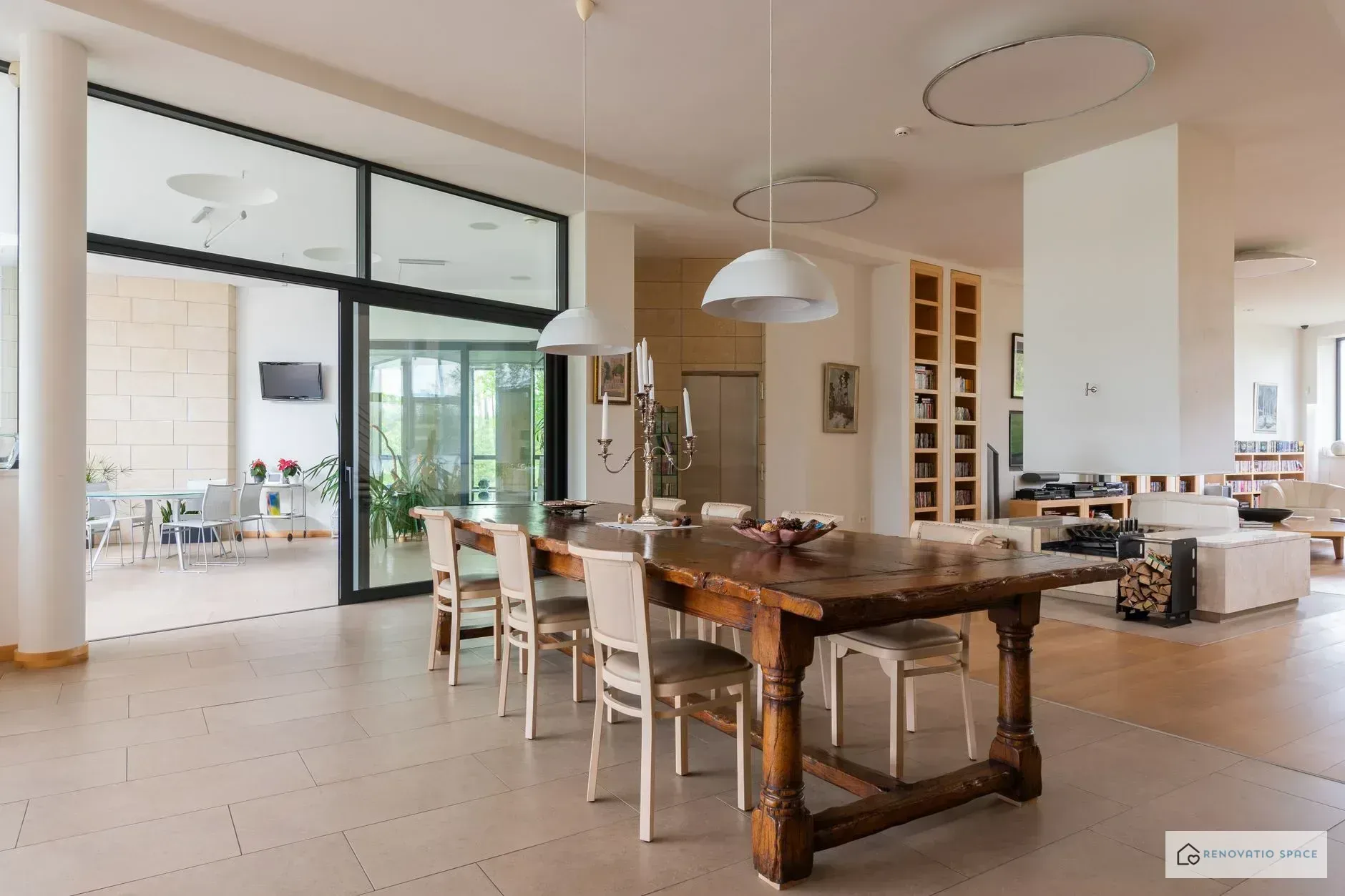
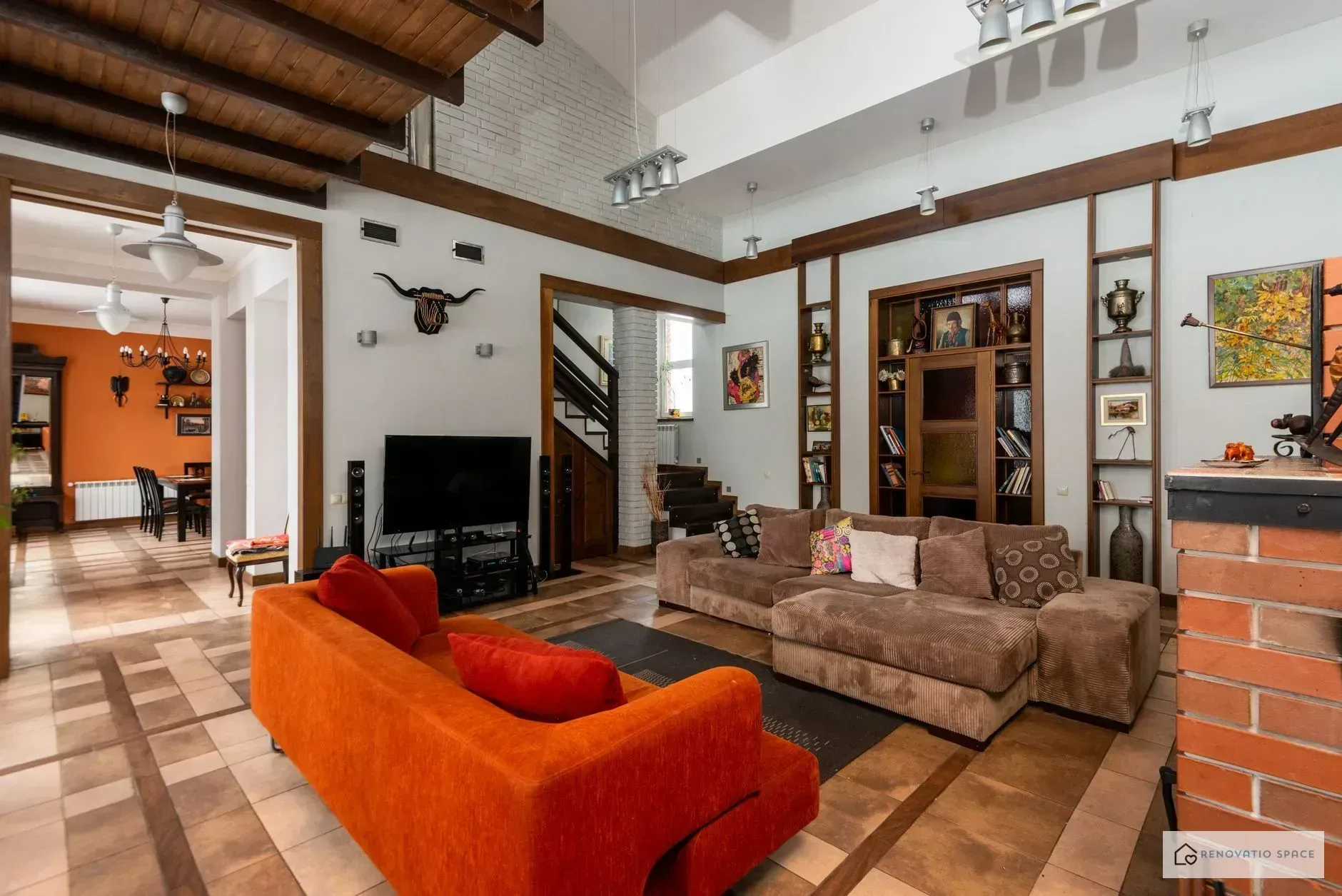
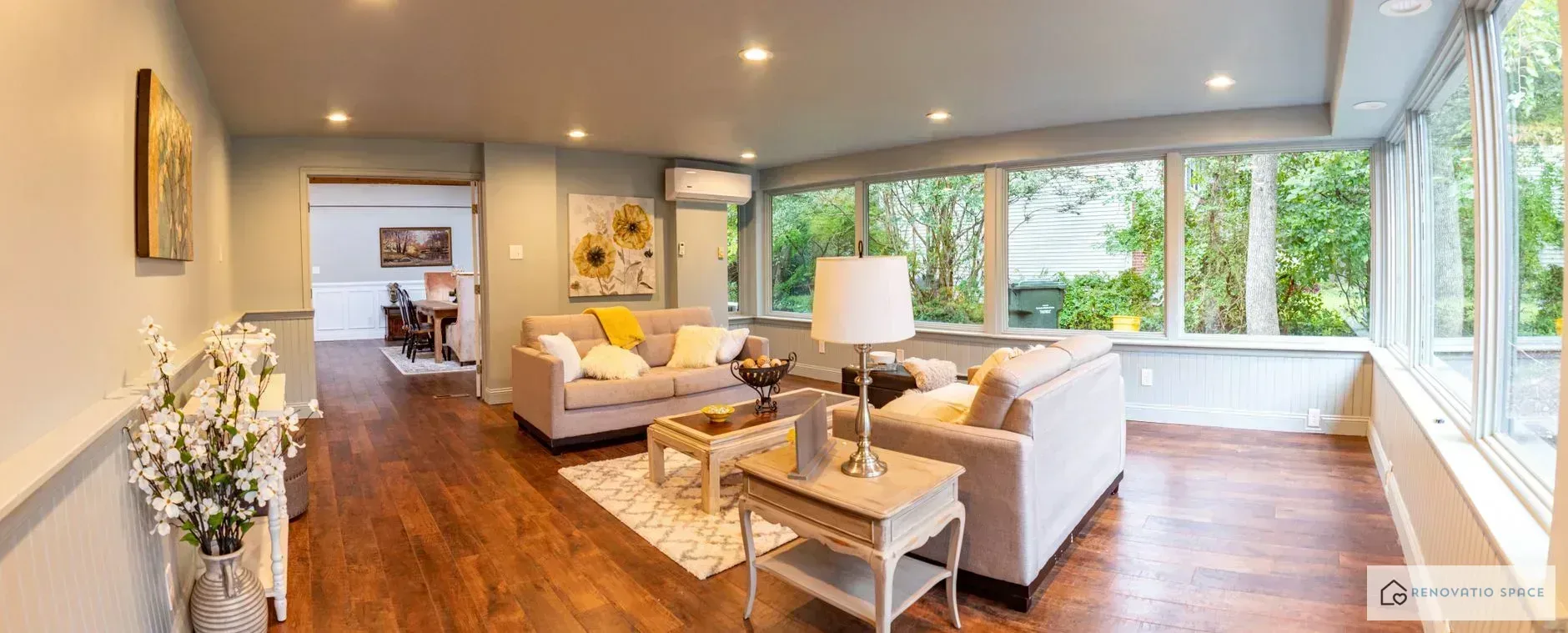
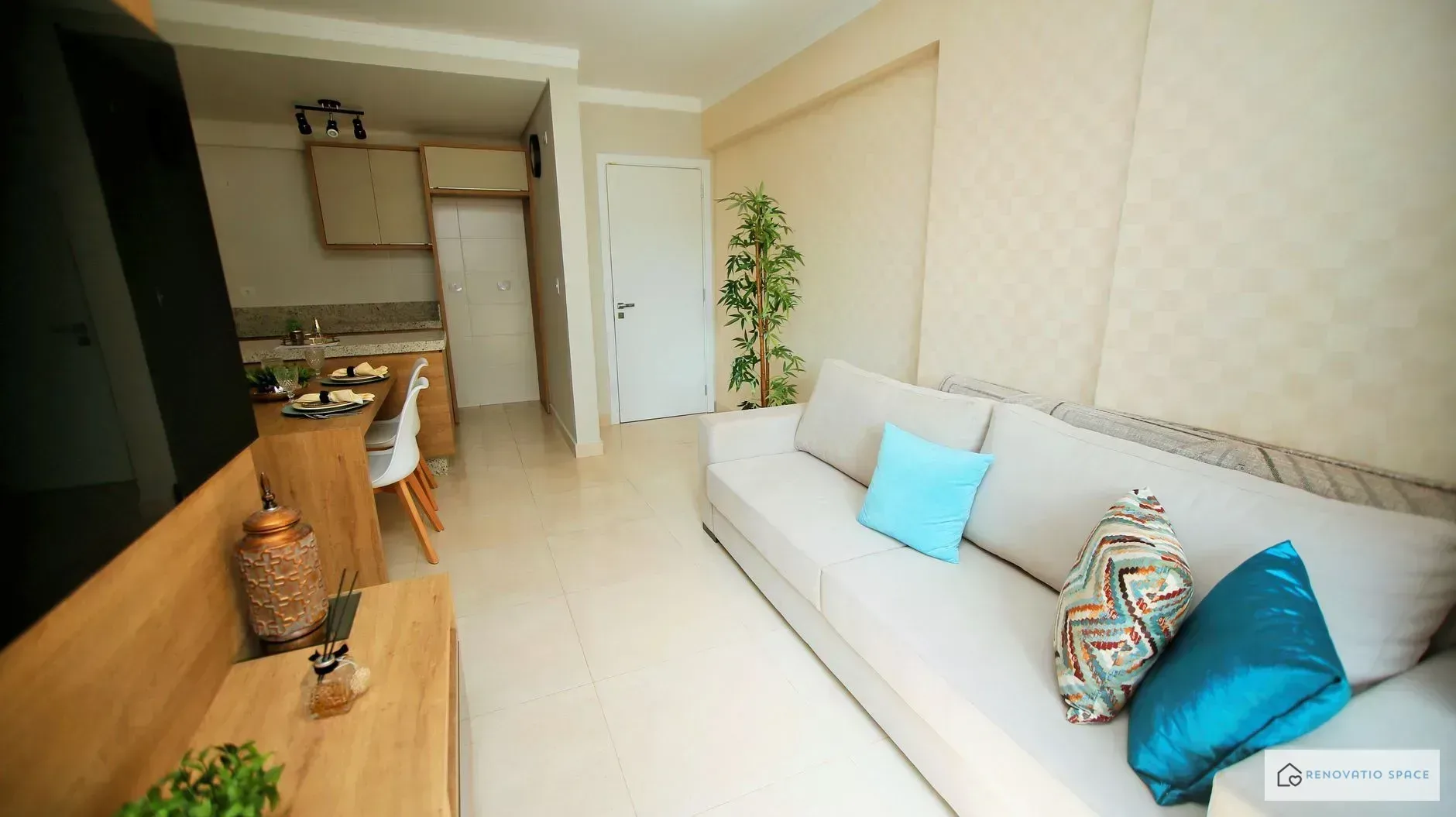
Whether you want to structure an open floor plan or create a cozy corner, open shelving and room dividers are popular options. Both allow for visual separation without massive walls, yet they differ significantly in function, aesthetics, and space requirements. This comparison helps you choose the right solution for your living room.
Open Shelving: Flexibility and Storage Combined
Open shelves are more than just dividers—they offer practical storage for books, decor, and everyday items. The open design lets light through and creates an airy atmosphere, ideal for small rooms as they don’t feel oppressive. You can arrange individual modules as needed and easily rearrange them later. Drawback: visible clutter requires regular tidying, and heavy items should be placed stably.
Room Dividers: Clear Boundaries and Design Statement
Room dividers come in many styles, from fixed wooden or glass partitions to mobile screens. They create a clear separation, for instance between living and dining areas, and often provide sound insulation. Fixed models require more planning, while mobile ones are flexible. Room dividers are especially suitable when you want privacy or need to separate different functional zones. Drawback: they often take up more space and offer less storage than shelving.
Direct Comparison: Which Solution Fits You?
| Criteria | Open Shelving | Room Divider |
|---|---|---|
| Storage | High (multiple compartments) | Low (mostly decorative) |
| Light Permeability | Very good (open shelves) | Variable (depends on material) |
| Flexibility | Medium (modules movable) | High (mobile or fixed) |
| Sound Insulation | Low | Medium to high |
| Visual Effect | Light, tidy | Bold, separating |
Practical Tips for Your Decision
- Small rooms: Open shelving makes the room feel larger—use light colors and few decorative items.
- Need extra storage: Choose shelves with many compartments; combine closed boxes to hide clutter.
- Desire clear separation: A floor-to-ceiling divider made of glass or wood creates calm without fully blocking off.
- Budget: Open shelves are often cheaper and readily available at home improvement stores; custom-made dividers cost more.
Conclusion: Both Have Their Strengths
Open shelving is excellent for flexible, light-permeable zones with ample storage, while room dividers provide distinct boundaries and often more privacy. Consider whether function or design matters more—or combine both elements for a personalized room concept.
Related pages
- https://renovatio.space/open-shelving-vs-screens-for-room-division/
- https://renovatio.space/uk/vidkriti-stelazhi-vs-shirmi-dlya-podilu-kimnati/
- https://renovatio.space/ru/otkrytye-stellazhi-vs-shirmy-dlya-razdeleniya-komnaty/