



How to Zone a Long Living Room with Rugs
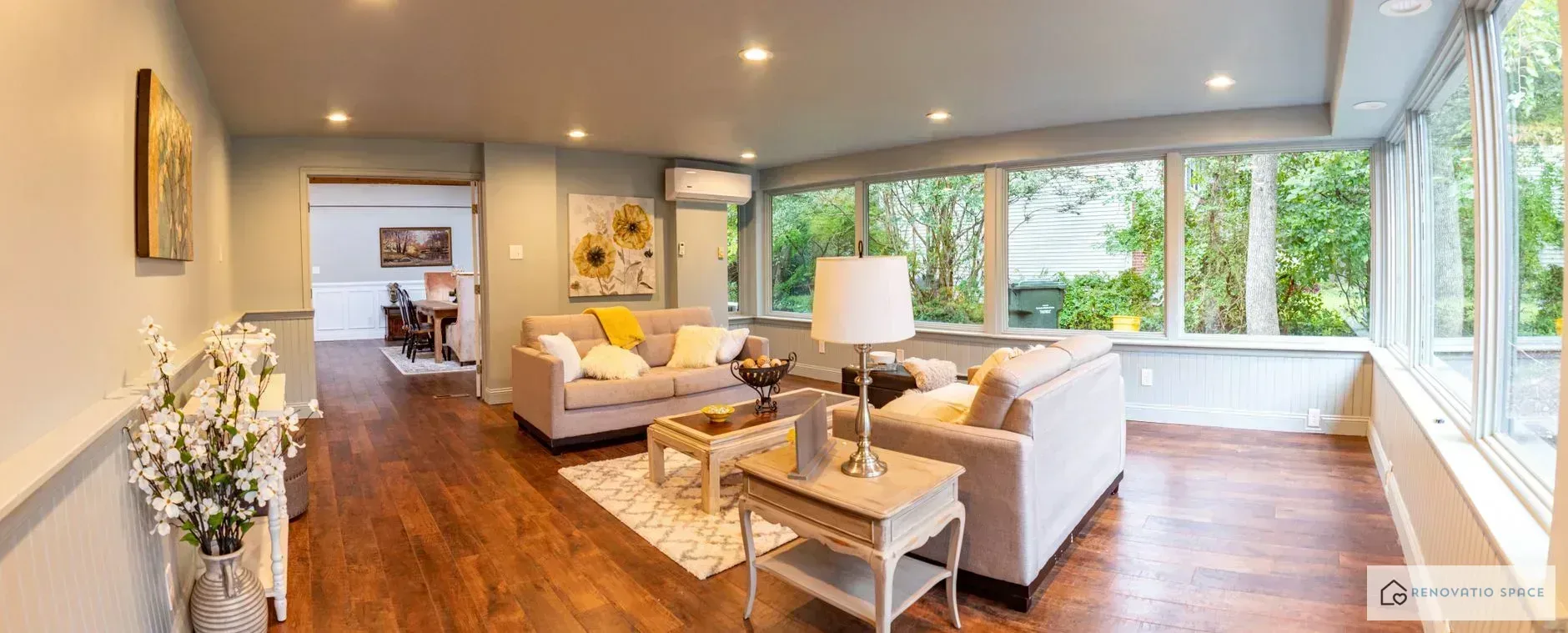
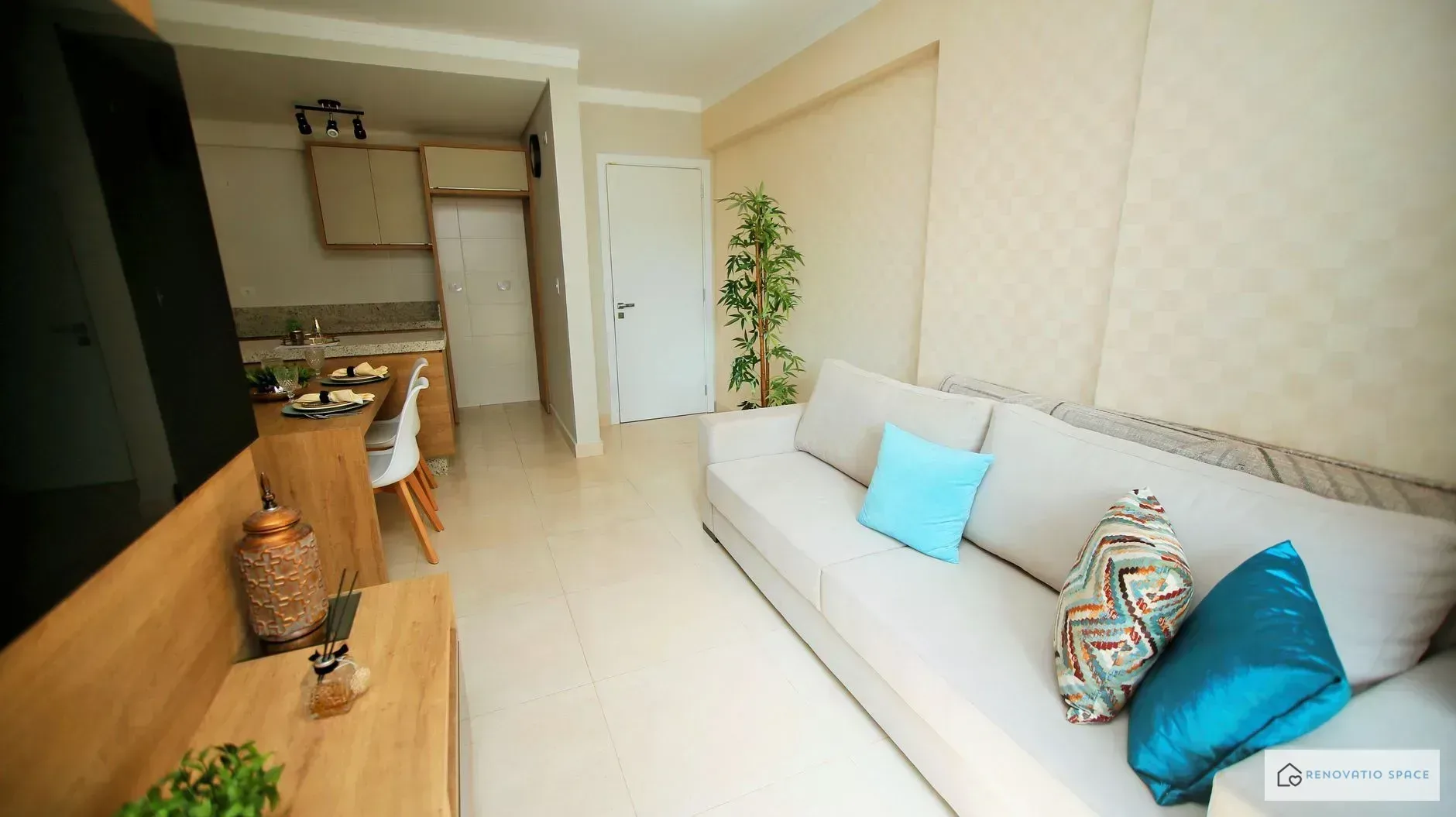
A long, narrow living room can quickly feel like a hallway. The solution: rugs. They define areas, create coziness and structure. Here you will learn how to divide your long living room into inviting zones using rugs.
1. Plan Your Zones
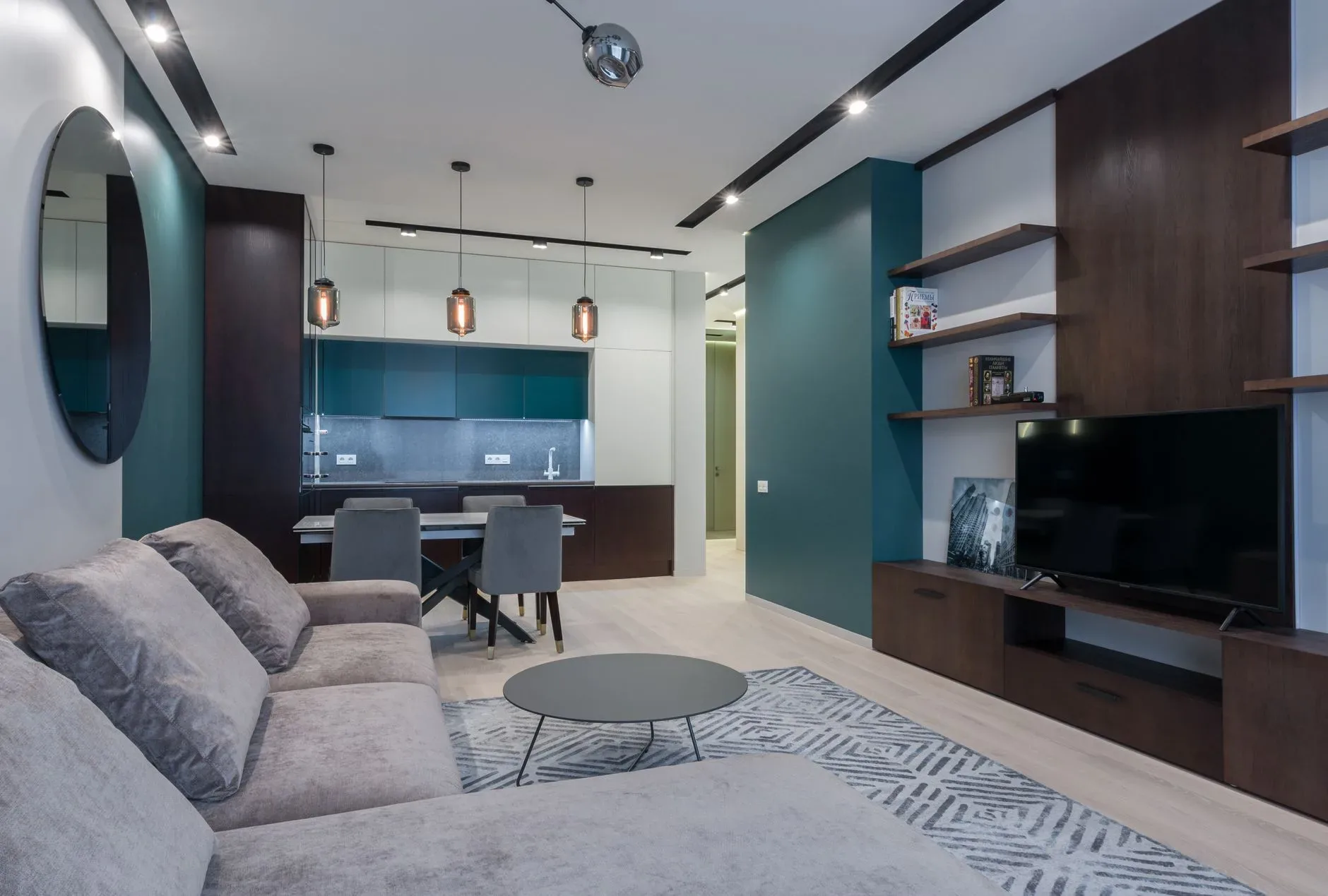
First, think about which activities will take place in your living room: seating area with sofa, TV corner, reading nook, or dining space. Each zone needs its own rug that visually separates the space.
2. Choose the Right Rug Sizes
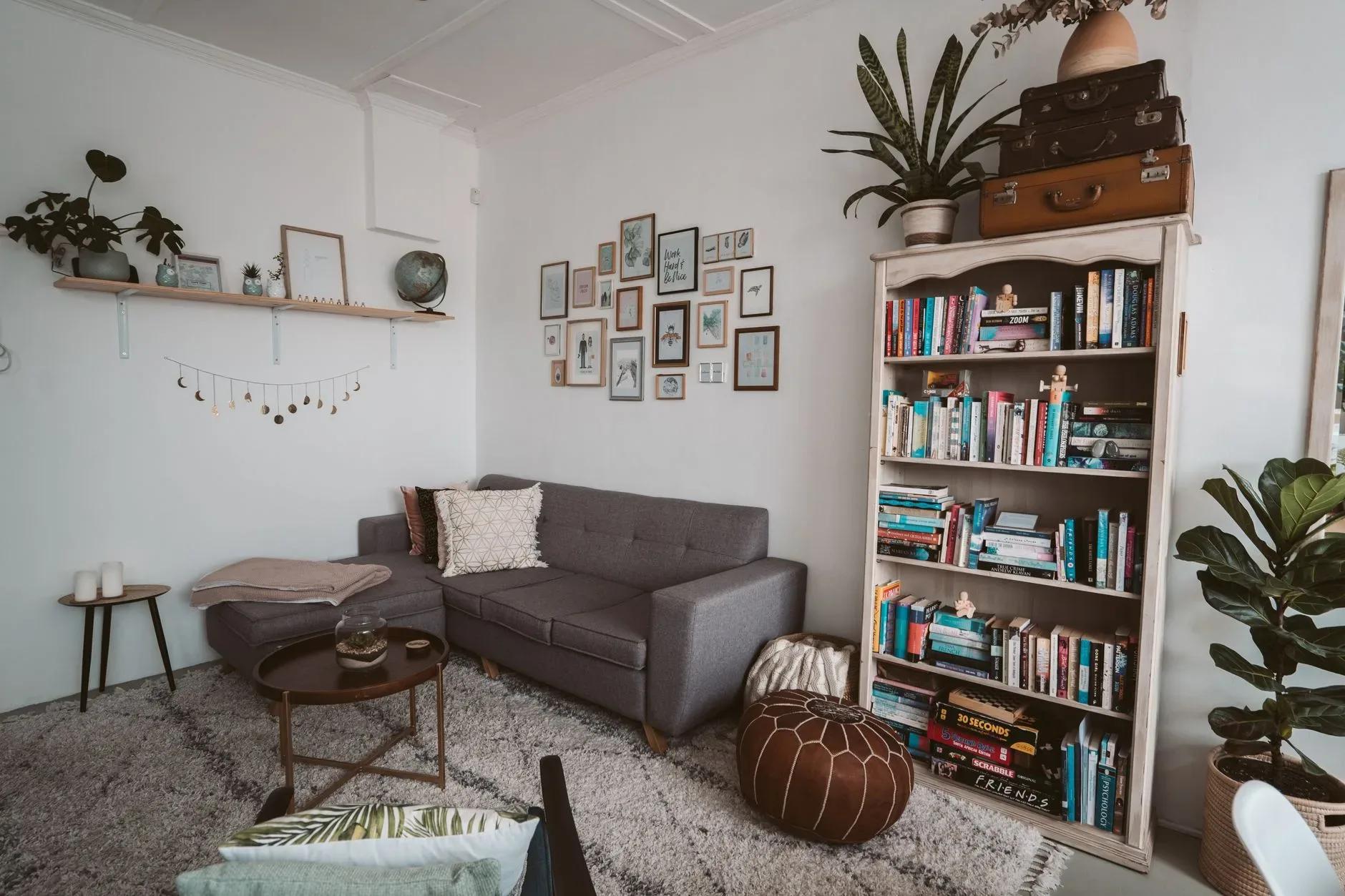
A rug that is too small looks isolated. For the seating zone, the rug should be large enough that all furniture legs stand on it – at least 2.5 x 3.5 m for an average sofa. For a reading nook, a smaller rug (e.g., 1.5 x 2 m) is sufficient.
3. Use Contrasts and Patterns
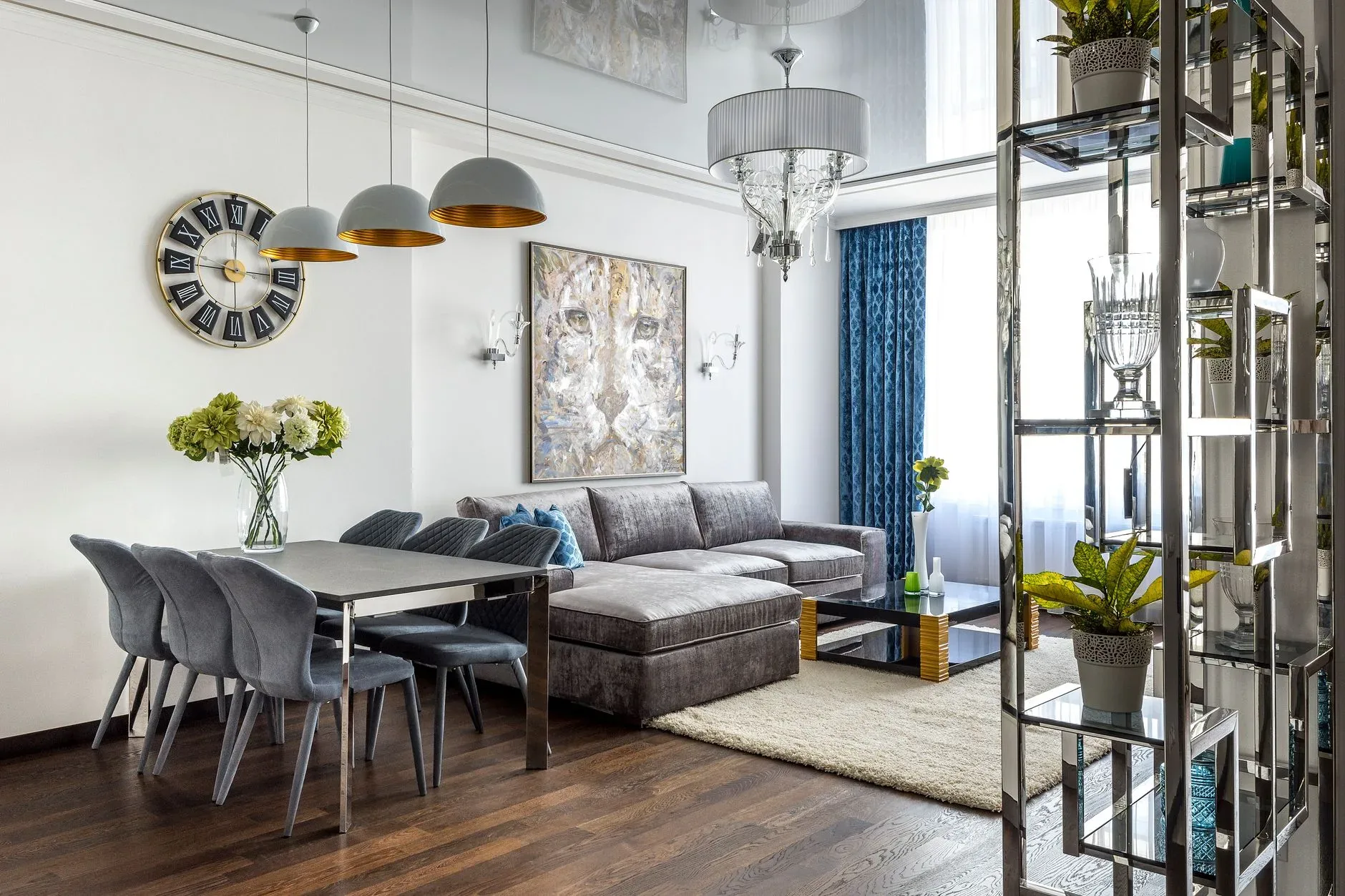
Different colors or patterns help clearly separate the zones. For example: a neutral rug under the sofa and a patterned one under the dining table. Maintain a harmonious overall color palette to avoid chaos.
4. Use Rugs as Pathfinders
A long runner in the center of the room can emphasize the hallway area and separate the zones to its left and right. Choose a durable rug for this traffic zone.
5. Combine Different Rug Heights
High pile feels luxurious and cozy – ideal for the seating zone. Flatweave is easy to maintain and good for dining areas. The height difference enhances the visual separation.
6. Practical Placement Tips
- Place rugs with 20–30 cm distance between them to create clearly distinguishable zones.
- Use rug pads to prevent slipping and protect the floor.
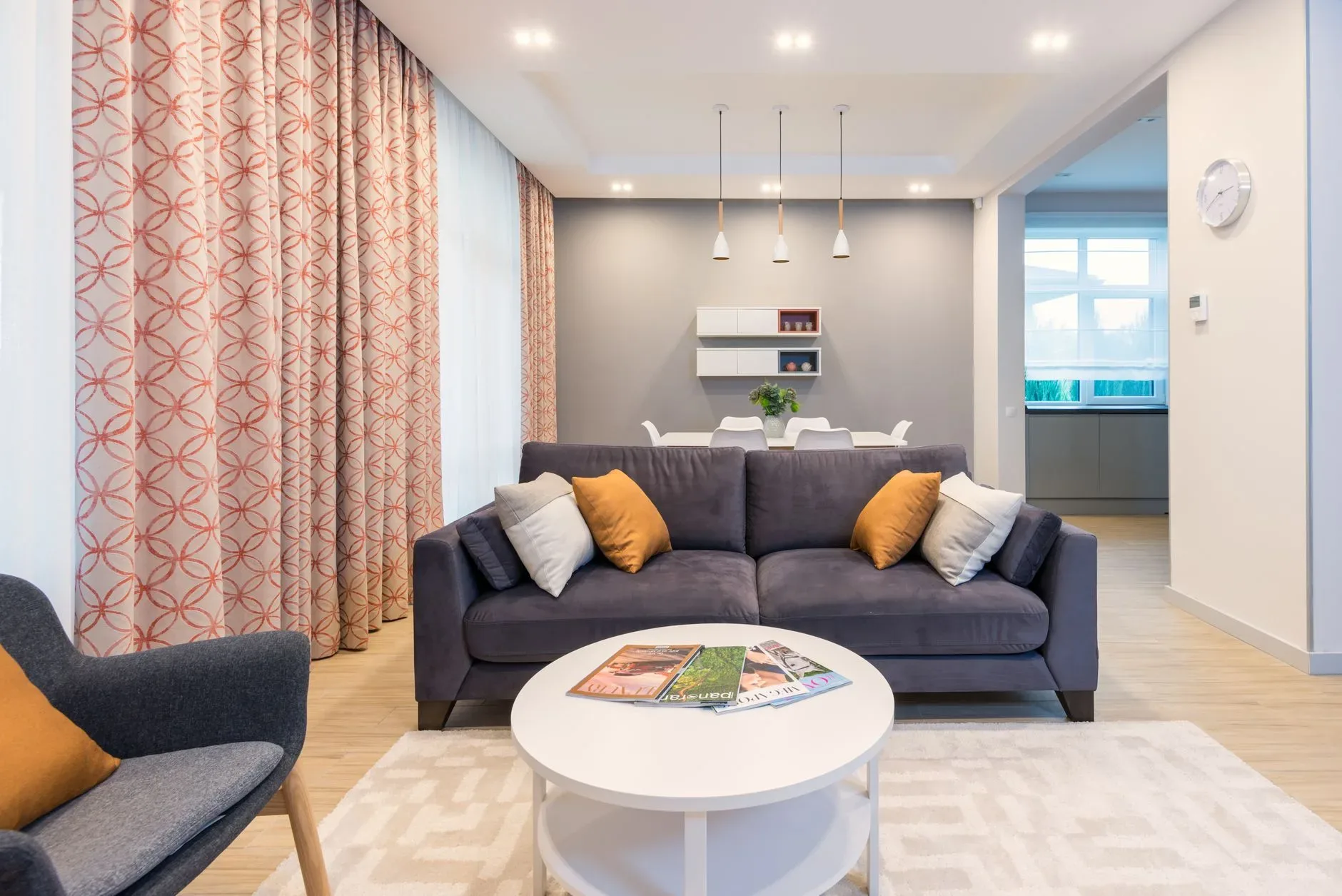
- In an open floor plan, repeat colors from the rug in pillows or curtains for a smooth transition.
Conclusion
With strategically placed rugs, a long living room becomes a multifunctional space that feels inviting and structured. Experiment with sizes, patterns, and heights to find your personal style.