








Why a Retro Dining Table? A Stylish Centerpiece for Your Home
A dining table is more than just a piece of furniture – it’s where family and friends come together, share meals, and create memories. A retro dining table combines nostalgic design with everyday elegance. Whether you choose a table in the style of the 1950s, 1960s, or 1970s, the vintage charm gives your dining room a very special atmosphere. But what should you look for when buying so that the table not only looks good but also brings joy for years to come? This article provides comprehensive guidance.
The Charm of Retro Design
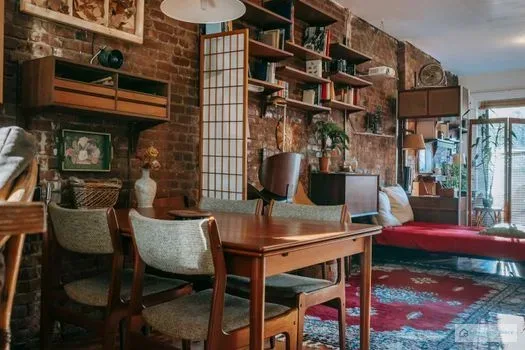
Retro designs are characterized by clean lines, organic shapes, and often the use of natural materials. Unlike modern minimalist tables, retro models usually have a warm aura, created by details like rounded corners, pedestal bases, or colorful surfaces. The dining table becomes a conversation piece and gives the room personality.
Versatility and Timelessness
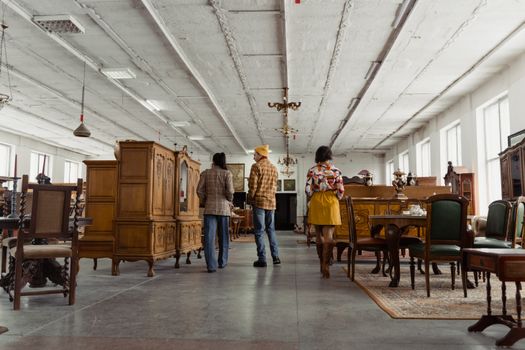
Whether in a minimalist apartment or a rustic country house, a well-chosen retro table fits harmoniously into many interior styles. Even with modern chairs or a vintage sideboard, a cohesive overall look can be achieved. The key is the right combination of material, color, and shape.
Material Overview: Wood, Plastic, or Metal?
The material determines not only the look but also the care and durability of your table. Each material has its own advantages and disadvantages.
Solid Wood: Classic for Longevity
Solid wood tables – made from oak, walnut, or teak, for example – are timeless companions. They are robust, can be sanded and re-oiled if needed, and develop a beautiful patina over time. Look for solid craftsmanship: massive table legs and a stable top made from a single piece or glued segments guarantee decades of enjoyment. Retro models often have distinctive legs like the famous “spider” legs of the 1950s.
Veneered Tables: Stylish and More Affordable
Veneered tables consist of a base material (e.g., MDF) with a thin layer of real wood. They look deceptively real, are lighter, and often cheaper. However, they are more susceptible to scratches and moisture – repairs are hardly possible. For a retro dining table, veneer can be a good choice if the design is paramount and the table is not used heavily every day.
Metal and Plastic: Easy Care and Modern
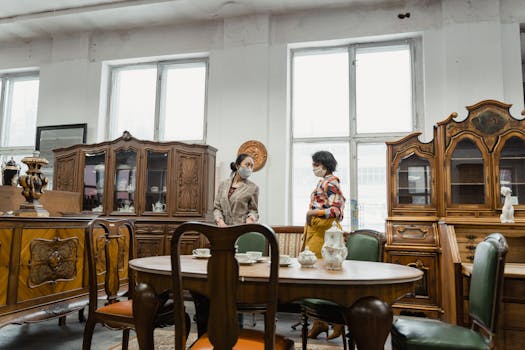
Many retro tables combine metal frames with plastic or laminate tops. These materials are extremely easy to care for, durable, and available in bright colors or patterns typical of the 1960s. Ideal for families with children or for outdoor use (e.g., on the terrace). Look for stable welds on metal and a coated surface to avoid stains.
The Right Size and Shape for Your Space
Before you fall in love, measure your dining area carefully. The size of the table affects comfort and freedom of movement.
Table Length and Width: Space for Guests and Everyday Life
Plan for at least 60 cm in width and about 40 cm in depth per person. For four people, a table of 120 x 80 cm is sufficient; for six people, 160 x 90 cm is recommended. Also consider space for chairs (about 50 cm per chair) and enough clearance around – at least 90 cm from walls or other furniture.
Round, Rectangular, or Oval Shapes
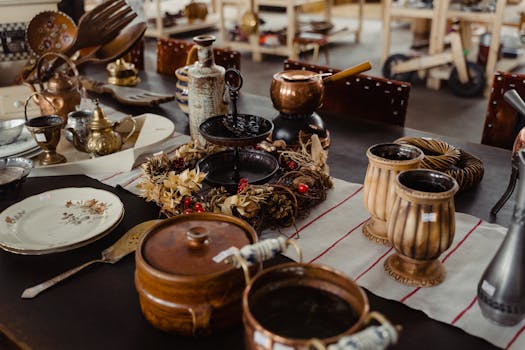
Round tables promote conversation and are ideal for small groups. Rectangular tables offer more space and can often be extended with leaves. Oval tables combine the advantages of both shapes: they appear softer and are suitable for narrow rooms. Retro designs often feature unusual shapes like drop-leaf or kidney patterns.
Height and Proportions
The standard dining table height is 72 to 76 cm. Ensure your chairs match – the distance between the seat and the table underside should be about 25–30 cm. Retro tables also include lower Japanese-style models or higher bistro tables; choose based on your chairs.
Style Directions: From 1950s to Mid-Century Modern
The term “retro” covers several decades. Which style appeals to you?
Scandinavian Retro Style
Light woods like birch or pine, slender legs, and simple elegance – that’s the Scandinavian retro look. Perfect for small spaces as it appears airy. Pair with chairs featuring woven seats or colorful accents.
American Mid-Century Aesthetic
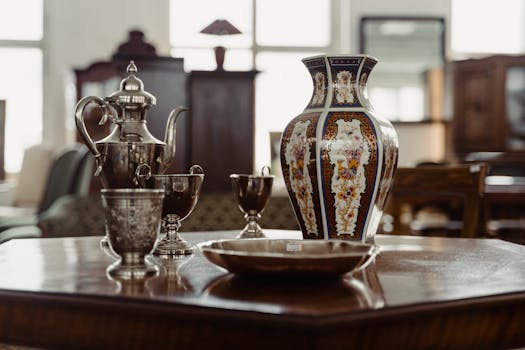
Heavy wood tops, often from teak or walnut, with distinctive angled legs. The wood grain takes center stage. These tables are often very sturdy and pair well with leather armchairs or modern art.
European Design Classics
Italian design from the 1960s featuring plastic-coated tables in bright colors or geometric patterns. German tables from the 1950s are often solid oak with turned legs. French models with curved shapes are also sought after.
Quality Features: How to Recognize a Good Retro Table
Not every table that looks old is well-made. Check the following points:
Craftsmanship and Stability
Do the legs wobble? Are the screws tight? On solid wood tables, the joints (e.g., dovetails) should be cleanly executed. Metal frames should have no sharp edges. A stable table also sits securely on uneven floors – adjustable leveling glides often help.
Surfaces and Care
On lacquered or oiled surfaces, scratches can be distracting. Ask for care instructions: Oiled surfaces require regular re-treatment, while lacquers are more resistant. On vintage pieces, patina is often desired, but watch out for deep cracks or water damage.
Sustainability and Origin
A solid wood retro table is inherently more sustainable than a new piece made from particleboard. Look for certifications like FSC for new productions. With vintage originals, provenance matters – some pieces are true design icons with potential for value appreciation.
Buying Guide: New, Vintage, or Restored?
Depending on your budget and preferences, you have various options.
New Retro Furniture in Stores
Many furniture stores offer reproductions in retro style – often cheaper and in different sizes. They are immediately available and come with a warranty. However, they sometimes lack the authentic charm and craftsmanship quality of the originals.
Finding Original Vintage Pieces
Flea markets, online classifieds, or specialized vintage dealers are gold mines. Look for brands like Knoll, Eames, or Børge Mogensen. Research prices in advance to avoid being overcharged. An original with signs of use can be a worthwhile investment.
Restored Tables as an Alternative
Restored pieces combine the charm of the original with a fresh surface. Ensure the restoration was done professionally (e.g., no harsh lacquers). The price is usually between new goods and original vintage. Many restorers also offer custom color finishes.
Conclusion: Find the Perfect Retro Dining Table with These Criteria
A retro dining table enriches any home – it combines style with historical awareness. Whether you choose a solid wood classic, an easy-care plastic table, or a restored original, pay attention to the right size, quality of craftsmanship, and your personal taste. Measure the room before buying, consider how many people regularly sit down, and check stability. With these tips, your retro dining table will become the long-lasting centerpiece of your dining culture.