






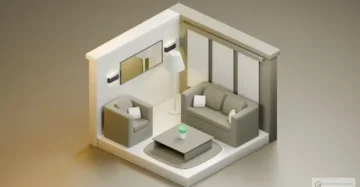
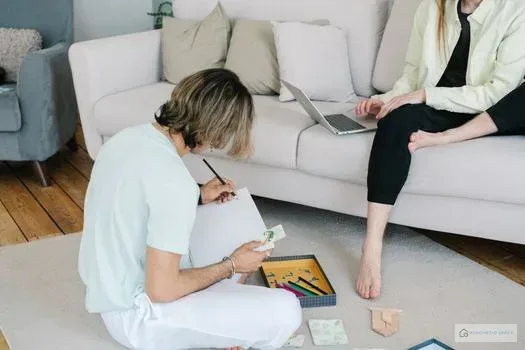
In times when living space is becoming scarcer and more expensive, the concept of a multipurpose room is gaining more and more importance. A room that serves simultaneously as a living room, dining room, and home office is not only space-saving but also flexible and adaptable to the changing needs of modern everyday life. Whether you live in a small city apartment or simply want to make the most of every square meter—with the right ideas and furniture, you can create a true home in a small space from a single room. This article shows you how to harmoniously combine living, dining, and home office without sacrificing style or functionality.
Why a multipurpose room is the solution for modern living
The demands on our living spaces have changed fundamentally in recent years. More and more people work from home, while at the same time, the home should also be a place of relaxation and social interaction. A multipurpose room that combines living, dining, and home office offers the ideal solution. It not only saves square meters but also promotes flexible use that adapts to the time of day and activities. In the morning, the room transforms into a productive office; at midday, into a cozy dining area; and in the evening, into a relaxing living room.
Space-saving and flexible: The advantages of a combined room
A combined room maximizes usable space by uniting multiple functions in a small area. Instead of separate rooms for eating, working, and relaxing, a flowing, open floor plan emerges that appears more spacious and lets in more light. Flexibility is key: with multifunctional furniture such as folding tables or modular shelves, you can rearrange the room as needed. Saving on rental costs is also a decisive advantage, as you can manage with fewer square meters. Additionally, an open space promotes communication and a sense of togetherness, even when all family members are engaged in different activities.
Mastering challenges: How to achieve balance between functions
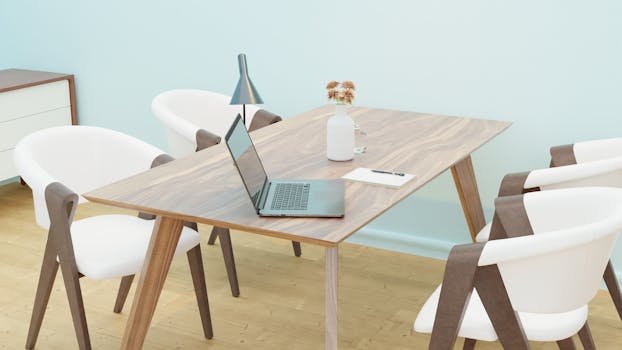
The biggest challenge of a multipurpose room is balancing the different uses. The work area should feel focused, the dining area sociable, and the living area relaxing. Thoughtful zoning helps separate these areas without destroying the openness of the room. The choice of furniture is also crucial—it must suit all three functions both visually and functionally. With clever solutions like extendable tables or hidden workstations, you can quickly transform the room. It is also important to plan enough storage so that work utensils and dining dishes are not visible when the room is used as a living room.
Living area: Coziness and style in a multipurpose room
The living area is the heart of any multipurpose room—here you relax after a long day, entertain guests, or spend time with family. To create a homely atmosphere despite the proximity to the dining and work areas, the right furniture and colors are crucial. A comfortable sofa, a soft rug, and atmospheric lighting invite you to linger. At the same time, the living area should not be too dominant so that the dining and work areas do not fade into the background. With a clear color concept and the right furniture selection, the living area becomes a cozy retreat.
Seating furniture and sofas: Comfort meets design
The sofa is the central piece of furniture in the living area. In a multipurpose room, space-saving models such as sleeper sofas, modular seating landscapes, or corner sofas that also serve as storage are particularly suitable. Opt for comfortable upholstery and covers that are easy to care for since the room is exposed to all family activities. An armchair or chaise lounge can create additional seating without taking up too much space. Choose furniture with slim legs to make the room appear visually lighter. A coffee table with integrated storage or an ottoman that doubles as extra seating are also practical.
Color concepts and lighting for an inviting atmosphere
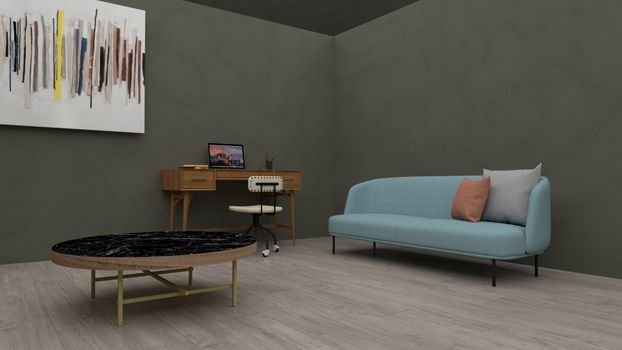
Colors significantly influence the mood in a room. For the living area, warm, earthy tones like beige, sand, or soft grays create a cozy atmosphere. Accents with pillows, blankets, or wall art in bold colors like terracotta or teal set visual highlights. Lighting should be dimmable to adjust brightness according to time of day and activity. A combination of ceiling light, floor lamp, and indirect light ensures a cozy ambiance. A reading lamp near the sofa makes the living area usable even after dinner. A rug additionally defines the living zone and adds warmth.
Dining area: Practical solutions for shared meals
The dining area in a multipurpose room should be suitable both for daily use and for festive occasions. Space-saving furniture is especially important here, as the dining area is often connected to the living area. An extendable table or a folding model allows you to adjust the space according to the number of people. The choice of chairs also affects flexibility—stackable or foldable chairs can be quickly stored away when needed. A clever room layout ensures that the dining area does not feel like a passageway.
Dining tables and chairs: Space-saving and multifunctional
The dining table should be multifunctional—it serves not only for eating but also as a work surface or hobby area. A round table saves space and encourages communication. Models with extendable leaves or drop-leaf functions are ideal for adapting the table to different situations. Chairs should be comfortable but require little floor space. Upholstered chairs are a good choice as they can also be used for working or relaxing. A bench against the wall offers more seating and can simultaneously house storage. Ensure that the table height matches the work surface if you also use it as a desk.
Storage and decoration for the dining area
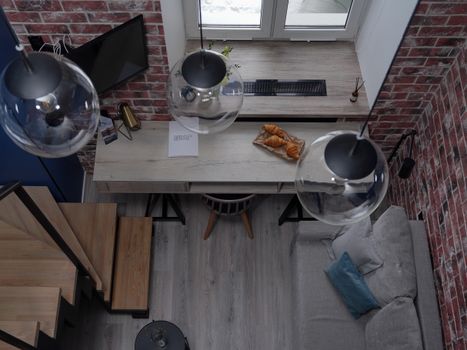
In the dining area, clever storage is important to keep dishes, glasses, and tablecloths within reach. A sideboard or buffet offers storage and also serves as a display surface for decoration. Open shelves or glass cabinets can showcase the dishes and visually brighten the room. Decorations like table runners, candles, or vases create an inviting table culture. However, ensure that decorations are not too bulky so as not to impair the room’s functionality. Mirrors on the wall make the dining area appear larger and reflect light.
Home office: Working productively in the living-dining room
More and more people work from home—making a well-integrated home office area in a multipurpose room essential. The workspace should be designed so that you can concentrate without being distracted by the living or dining area. At the same time, it should not disturb the character of the room. With cleverly hidden desks, ample storage, and a good acoustic concept, working in the living room becomes a pleasure. An ergonomic chair and good lighting are the basis for productive work.
Desks and storage: Organization in the work area
The desk should not be too dominant. Folding or pull-out models that can be mounted on the wall are ideal for small rooms. A desk integrated into a shelf also saves space. Ensure sufficient work surface and cable management to maintain order. Storage for office supplies, documents, and technology is important—use shelves, boxes, or a filing cabinet that visually matches the living ambiance. A mobile rollcontainer can be pushed under the desk when needed. This keeps the work area tidy and flexibly usable.
Acoustics and privacy screens for concentrated work
In an open room, noise and visual distractions are a challenge. Carpets, curtains, and acoustic panels absorb sound and create a quiet working atmosphere. A room divider or a screen can visually separate the work area without losing the openness of the room. Plants also serve as natural privacy screens and improve the room climate. If you make many phone calls, a separate headset with microphone is worthwhile. A well-positioned desk with a view outside or of a quiet corner increases concentration.
Room dividers and zoning: Creating structure without walls
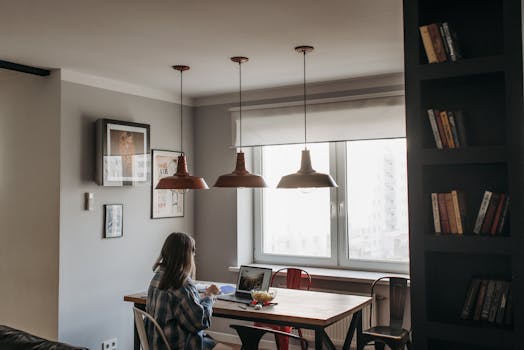
The greatest art in designing a multipurpose room is spatially separating the different areas without destroying the open character. Room dividers are the ideal tool—they create visual and acoustic boundaries without the need for walls. Whether with furniture, curtains, or color changes—the possibilities are diverse and can be individually adapted. A clear structure helps to give each area its own identity while maintaining overall harmony.
Furniture as room dividers: Shelves, screens, and curtains
Open shelves are the most popular room dividers because they not only separate but also provide storage and are perforated so light passes through. A screen or folding screen is flexible and can be folded up when needed. Curtains from the ceiling are also a cost-effective solution—they can be easily opened and closed. A sideboard or chest of drawers can separate the dining area from the living area and also serve as a surface. Ensure that the dividers are not too massive to avoid overwhelming the room.
Color and material changes for optical separation
Through deliberate color and material changes, you can visually delineate the different zones without using physical barriers. The living area can be marked with a rug and warm colors, while the work area receives cooler tones or smooth surfaces like glass or metal. Different floor coverings—for example, parquet in the living area and tiles in the dining area—also create visual boundaries. An accent wall or a colored strip on the wall can further highlight the areas. This creates a harmonious but clear zoning.
Smart furniture and technology for the multipurpose room

To make optimal use of the room, clever furniture solutions and intelligent integration of technology are essential. Foldable furniture, extendable tables, and modular systems allow you to transform the room within minutes. Cabling and lighting should also be planned so that they remain flexible and accommodate the different uses. Smart controls for lighting and devices increase comfort and save energy. With these solutions, your multipurpose room becomes a showcase for modern living.
Folding and sliding solutions: Flexible throughout the day
Foldable furniture heroes in small spaces. A wall-mounted folding table can serve as a dining table or desk, a folding bed transforms the living room into a guest room. Sliding doors on cabinets save space, and pull-out shelves offer additional surface area. A mobile table on casters can be moved as needed. Even the sofa can become a bed with a pull-out lying surface. Invest in furniture with multiple functions—they not only make the room more flexible but also more valuable.
Cabling and lighting: Cleverly integrate technology
To prevent the room from being overrun with cables, a well-thought-out cable management system is important. Cable channels, underfloor systems, or furniture with integrated power outlets help maintain order. Smart home systems can control heating, lighting, and electrical devices, adapting the atmosphere according to activity. Dimmable LED lights with color temperature control—warm light for the living area, cooler light for working—are a must. Power banks and wireless charging stations also simplify daily life. This keeps the room technically up-to-date without appearing cluttered.
Frequently asked questions about the multipurpose room

Here we answer the most common questions about designing a multipurpose room that combines living, dining, and home office. These practical tips will help you with planning and implementation.
How big should a multipurpose room be?
The ideal size depends on the number of residents and their activities. Generally, you should plan at least 20 square meters for a combined room to sensibly accommodate living, dining, and work areas. In smaller rooms (from 15 sqm), you can still integrate all functions with space-saving furniture. It is important that no zone feels too cramped. A room height of at least 2.5 meters ensures a pleasant room feel. With open shelves and bright colors, even a small room can be visually enlarged.
Which furniture is best for combined rooms?
Multifunctional furniture is the first choice: folding tables, pull-out sofas, modular shelving systems, or storage beds. Light furniture on casters can be repositioned. A dining table that also serves as a desk saves space. Stackable chairs or stools are flexibly usable. Floating furniture like wall shelves or a desk on a console creates floor clearance and makes the room appear larger. Pay attention to uniform materials and colors to make the room appear harmonious.
How do I separate living, dining, and work areas visually?
You can separate the areas with room dividers such as shelves, curtains, or screens. Color and material changes (e.g., rug in the living area, tiles in the dining area) also create visual boundaries. A sofa or chest of drawers can serve as a natural barrier. Different lighting zones—a pendant light over the dining table, a reading lamp in the living area, a desk lamp in the office—help with orientation. Plants or large vases set additional accents and gently separate the areas.