


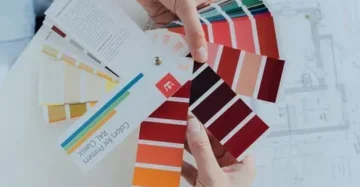

You picked the sweetest pastel pink for your daughter’s room, and now she’s bouncing off the walls at 10 PM. Or you went with a bold navy for your son — and he can’t concentrate on homework. Sound familiar? The problem isn’t your kid. It’s the children’s room ideas you used. Color psychology in kids’ interior design isn’t a vague concept — it’s a science that directly affects how children sleep, play, learn, and feel. Ignoring it is like letting a toddler choose the paint. Let’s fix that.
How Does Color Affect Child Development in Rooms?
Children process color more intensely than adults. Bright, saturated hues can overstimulate the nervous system, while dull grays can feel depressing. How does color affect child development in rooms? — it influences heart rate, melatonin production, focus, and even appetite. For example, blue suppresses appetite, while red can increase energy and aggression. Understanding this is the first step to creating a space that supports your child’s growth.
Warm vs Cool Colors in Kids Interior Design
The split between warm and cool tones is your main decision framework. Warm vs cool colors in kids interior design isn’t about personal preference — it’s about what the room needs to do.
- Warm colors (red, orange, yellow): stimulate conversation, energy, and appetite. Great for playrooms and dining areas, but risky for bedrooms.
- Cool colors (blue, green, purple): calm, lower heart rate, promote focus. Ideal for sleep and study zones.
When to Use Warm Colors
In a playroom or reading nook, a warm accent wall can boost creativity. But in a bedroom, warm tones can delay sleep. How to choose calming colors for children’s rooms usually means leaning into cool hues for the main walls.
When to Use Cool Colors
Cool blues and greens are the best colors for a child’s bedroom for sleep. They mimic the sky and nature, signaling the brain to rest. Avoid bright cool tones — soft, muted versions work best.
Color Psychology for Kids Room by Age
One color palette doesn’t fit all. Color psychology for kids room by age shifts dramatically from toddler to teen.
Color Psychology for Toddler Room vs Teen Room
Toddlers respond to high contrast and primary colors — it helps with visual development. But teens need spaces that support study, socializing, and sleep. Color psychology for toddler room vs teen room means a toddler might thrive with a soft yellow accent, while a teen needs muted blues or greens for focus. Don’t repaint the same scheme for a 15-year-old that you used for a 2-year-old.
| Age Group | Recommended Colors | Why |
|---|---|---|
| Toddler (1–3) | Soft yellow, light green, muted orange | Stimulates curiosity without overstimulation |
| Preschooler (4–5) | Aqua, light purple, warm pink | Encourages play and early learning |
| School-age (6–12) | Blue, green, soft teal | Boosts concentration for homework and relaxation |
| Teen (13+) | Deep blue, sage green, gray-lavender | Supports study, sleep, and personal expression |
Colors That Stimulate Creativity in Kids Rooms
If you want your child to draw, invent, and imagine, avoid blank white. Colors that stimulate creativity in kids rooms include: bright yellow (mental energy), orange (social play), purple (imagination), and green (balance). Use these sparingly — as accent walls, artwork, or furniture. The main walls should remain calm so the accent pops.
How to Combine Colors in a Child’s Bedroom
Stuck on pairing? How to combine colors in a child’s bedroom follows the 60-30-10 rule: 60% dominant color (walls), 30% secondary (furniture), 10% accent (accessories). For example: pale blue walls (60%), white furniture (30%), yellow throw pillows and a rug (10%). This creates harmony without visual chaos.
Using Accent Colors in Kids Interior Design
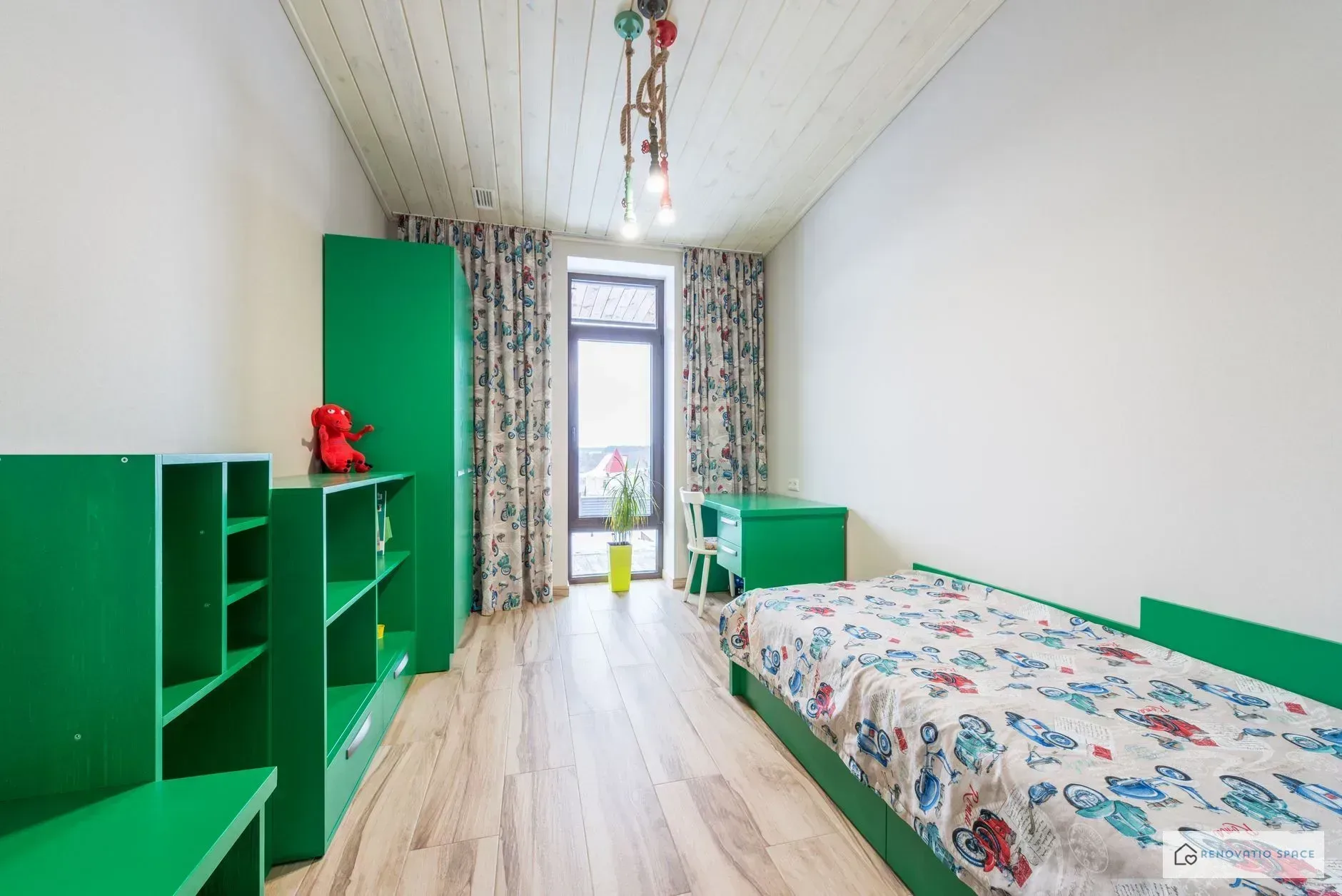
An accent color is your child’s personality shot in the arm. Using accent colors in kids interior design — think bright orange chair, emerald green shelves, or a magenta headboard. Accents are easy to swap as your child grows, so you don’t repaint the whole room every two years.
Common Color Mistakes in Children’s Room Design
Even well-intentioned parents make these errors. Common color mistakes in children’s room design include: (1) using too many bright colors — turns the room into a circus; (2) painting only one wall a dark color in a small room — makes it feel cramped; (3) forgetting the ceiling — a white ceiling in a dark room feels low; (4) ignoring night-time lighting — colors look different under warm lamp light. Avoid these, and your child’s room will actually work.
Gender Neutral Color Schemes for Kids Rooms
Pink vs blue is dated. Gender neutral color schemes for kids rooms are not beige or gray — they are warm earth tones, sage green, mustard yellow, teal, and soft peach. These colors support any child’s identity and are easy to update later. A sage green room works equally well for a toddler and a teen.
Best Paint Finishes for Kids Rooms
Color is only half the equation; finish matters for durability and light reflection. Best paint finishes for kids rooms — eggshell or satin for walls: washable, hides imperfections, not too shiny. Avoid matte (hard to clean) and high-gloss (shows every dent). For trim and doors, semi-gloss resists grime. For ceilings, flat white or a tinted flat to reduce glare.
Color Tips for Small Kids Rooms
A small room can feel like a cave if painted dark. Color tips for small kids rooms: use light, cool colors on walls to expand the space visually; paint the ceiling a shade lighter than walls to make the room feel taller; add vertical stripes (wallpaper or painted) to draw the eye upward; use mirrors and light furniture. Avoid dark navy or deep red on all four walls unless the room gets tons of natural light.
Color Trends for Kids Rooms 2024
This year’s color trends for kids rooms 2024 lean toward nature-inspired palettes: terracotta, muted sage, dusty lavender, and warm beige with bright accents like electric blue or tangerine. Biophilic design (bringing the outdoors in) is big — think moss green, sky blue, and wood tones. These trends are timeless enough to last through a growth spurt.
How to Choose Calming Colors for Children’s Rooms
If your child has trouble unwinding, how to choose calming colors for children’s rooms — pick soft, desaturated blues and greens. Lavender and warm gray also work. Avoid bright white (too sterile), red (too stimulating), and neon anything. Layer with textured textiles (cotton, wool, linen) to reinforce the calming effect.
Your Color Action Plan
Before you buy a gallon of paint, map the room’s zones: sleep, play, study. Assign each zone a primary color from the best colors for a child’s bedroom for sleep list for sleep, and accent colors for play. Test samples on the wall — paint a 12×12-inch square and live with it for two days. Involve your child in the final choice (within the psychology framework). Then, use the best paint finishes for kids rooms to protect your work. For more inspiration on your whole home, explore our interior ideas or see how we renovate athlete teen rooms. Also check our bedroom makeover ideas 2024 for additional tips.