






You’ve just spent an hour watering your fiddle leaf fig only to find brown spots on the leaves again. Or maybe you’ve dusted that silk orchid for the third time this month and it still looks fake. The natural vs artificial decor pros and cons can feel overwhelming when you’re trying to create a space that feels alive without turning your home into a full-time maintenance project. Whether you’re an allergy sufferer or just someone who forgets to water plants, this comparison will help you decide which materials work for each room.
What Makes Natural Decor So Appealing?
Natural materials bring an authenticity that synthetic options struggle to replicate. Benefits of natural decor in interiors go beyond looks—they can improve air quality and create a calming atmosphere. Real wood, stone, and botanicals have unique grain and imperfections that add character. But they also come with real responsibilities.
Real Plants and Organic Textures
Live plants, dried flowers, and untreated wood require specific care. Light levels, humidity, and watering schedules matter. A real monstera in a north-facing window will stretch thin; a wooden cutting board left wet will warp. For those with pollen allergies or asthma, real plants can trigger symptoms—even mold in soil can be a problem. That’s why allergy friendly home decor natural vs synthetic considerations often tip toward high-quality artificial alternatives in bedrooms and living rooms.
Cost Over Time
Initial costs for a mature real fiddle leaf can be $50–$150, plus a decorative pot and soil. Over five years you’ll pay for water, fertilizer, and possibly replacement if the plant dies. Artificial decor of similar size costs $80–$200 upfront but requires no ongoing expense. This cost comparison natural vs artificial interior decor shows that faux greenery often wins on total cost of ownership.
| Criterion | Natural Decor | Artificial Decor |
|---|---|---|
| Initial cost (plant/tree 5ft) | $50–$150 | $80–$200 |
| Maintenance cost/year | $20–$60 (water, soil, treatments) | $0–$10 (dusting cloth) |
| Lifespan | 1–5 years (plant dependent) | 5–10+ years if UV-protected |
| Allergy impact | Can trigger pollen/mold allergies | Hypoallergenic if dust-regularly cleaned |
When Artificial Decor Actually Shines
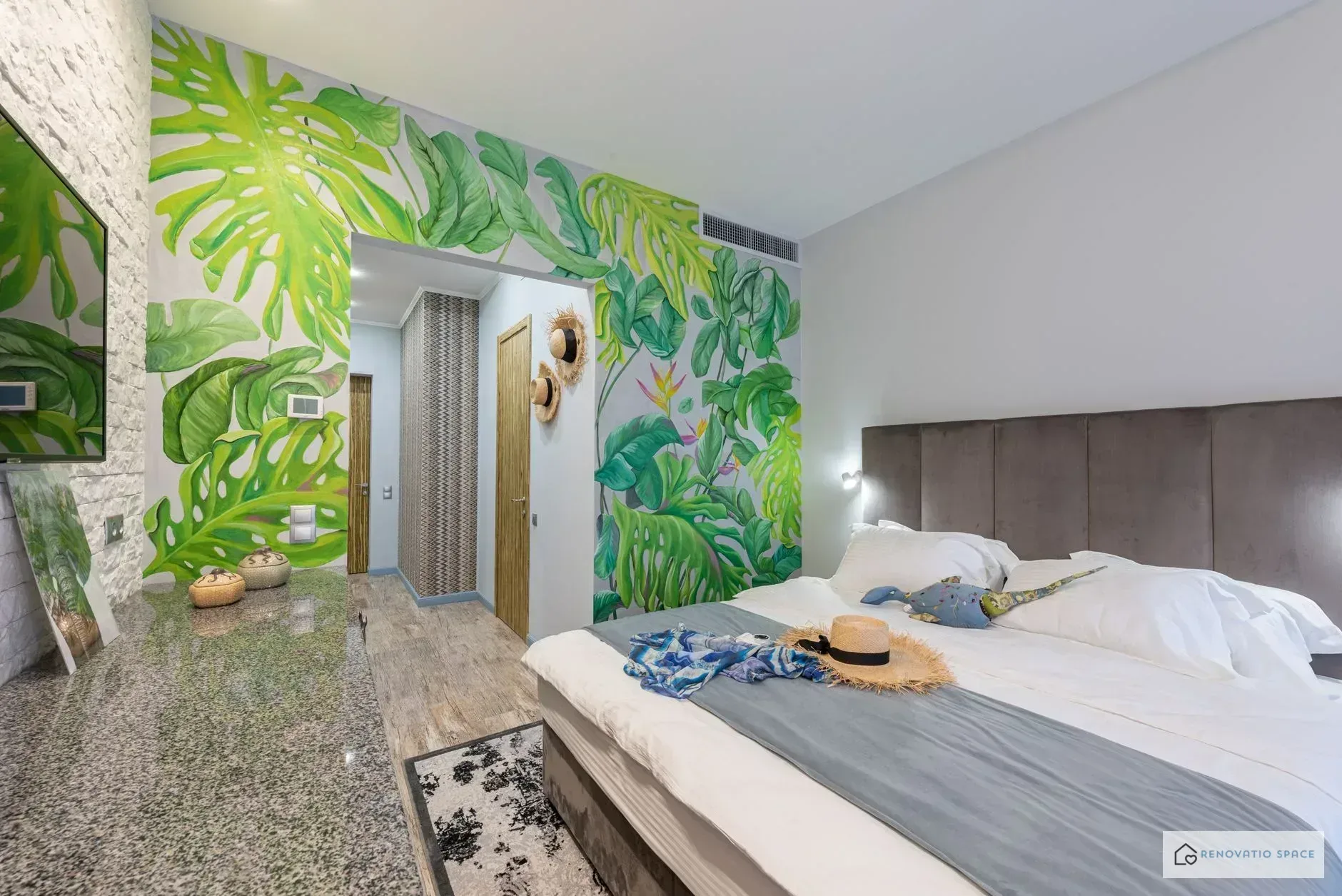
Disadvantages of natural materials in home decor are most obvious in low-light spaces like hallways, bathrooms without windows, or basements. A faux snake plant on a shelf in a dim corner looks just as good as the real thing but won’t rot. Drawbacks of artificial plants in home design include that they can look plastic and collect dust—but modern high-end faux greenery has improved dramatically. The best uses for faux greenery in interior design include high shelves, dark corners, or as fillers in large planters where real plants struggle.
How to Make Artificial Decor Look Natural
How to make artificial decor look natural starts with the base. Always use a real pot with a natural material like terracotta or ceramic. Dust the leaves regularly with a damp cloth to remove the dull film. Avoid cheap, shiny PVC leaves—look for silk or polyblend fabrics with realistic veining. Place faux plants near windows where natural light casts real shadows—that tricks the eye. Mix real and fake plants in one arrangement so the eye reads the whole group as organic.
Low Maintenance Artificial Decor Ideas
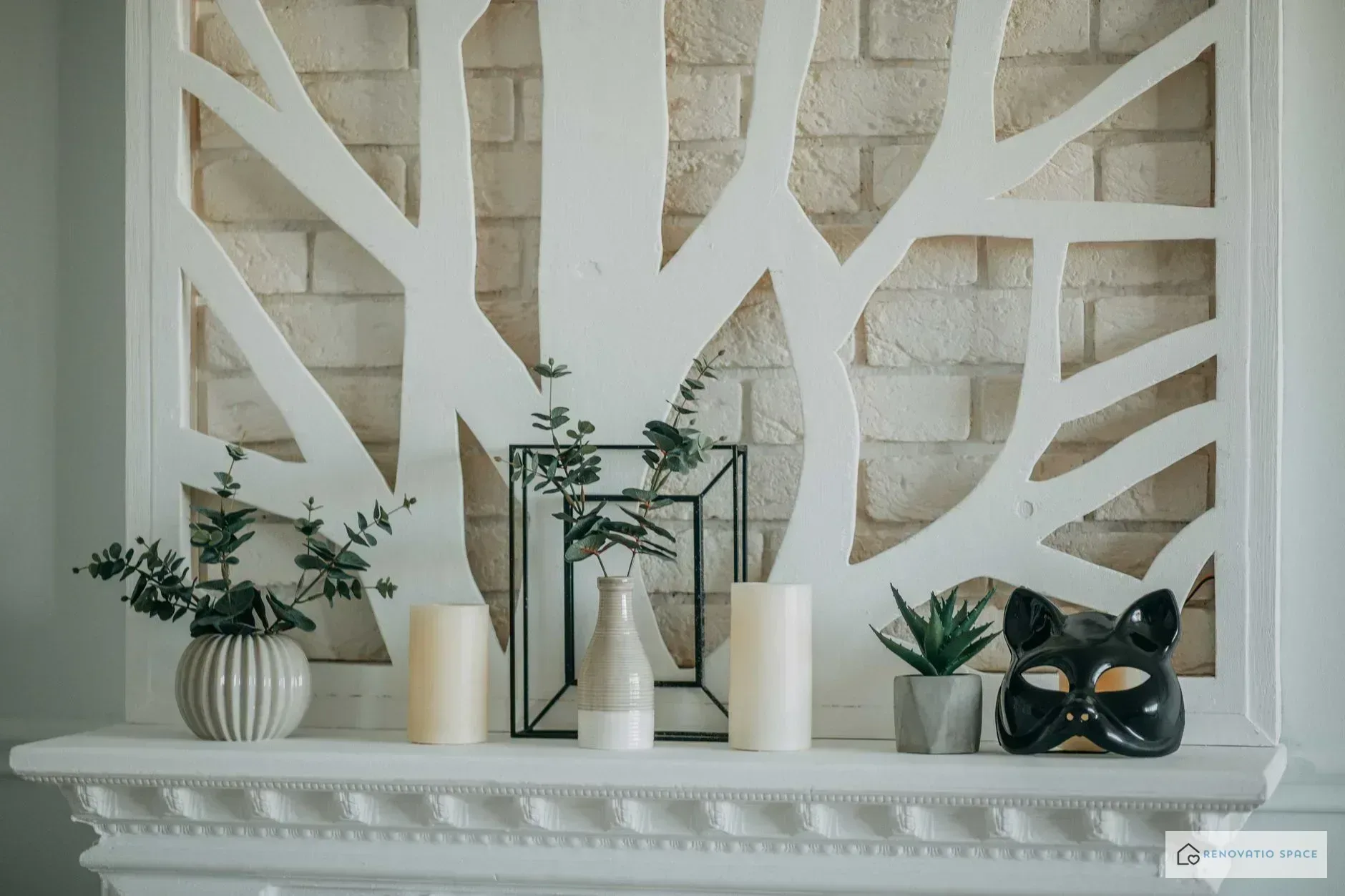
For busy homeowners, low maintenance artificial decor ideas include a faux olive tree in a wicker basket for a living room corner, artificial boxwood topiaries on a balcony, or dried-look faux eucalyptus in a vase. These pieces never need watering and don’t drop leaves on your floor. But avoid putting them outdoors without UV-rated labeling—sun bleaches colors within months.
Mixing the Two for Best Results
Many interior designers recommend a hybrid approach. How to mix natural and artificial decor means using real plants for hero positions (near a window, on a coffee table) and artificial versions for back-of-room shelves, bathrooms, or dark hallways. This way you get the mental health benefits of living greenery where it counts without turning your entire home into a greenhouse. Is faux decor sustainable compared to real materials? High-quality faux pieces last years and avoid the carbon footprint of shipping live plants that die—but they are petroleum-based. Real materials biodegrade. Your choice depends on your personal sustainability priorities.
Decision Time: Which Wins for Each Room?
Use this quick guide for tips for choosing between natural and synthetic decorations:
- Living room — real statement plant if you have good light; faux tree if dim.
- Kitchen — real herbs on windowsill for function; dried flowers on open shelves.
- Bathroom — humidity-tolerant ferns real, but faux works beautifully in ventless bathrooms.
- Bedroom — low-dust, allergy-friendly artificial plants are safer; real aloe if you want air-purifying.
Durability of natural vs artificial home accessories: real wood shows scratches and stains; artificial materials like polyresin don’t. But real wood can be sanded and refinished—faux cannot be repaired. For tables, shelves, and vases, weigh your lifestyle. If you host often and kids spill, synthetic materials win on durability. For a quiet home where you enjoy handcrafted objects, natural wins on soul.
Environmental Impact and Sustainability
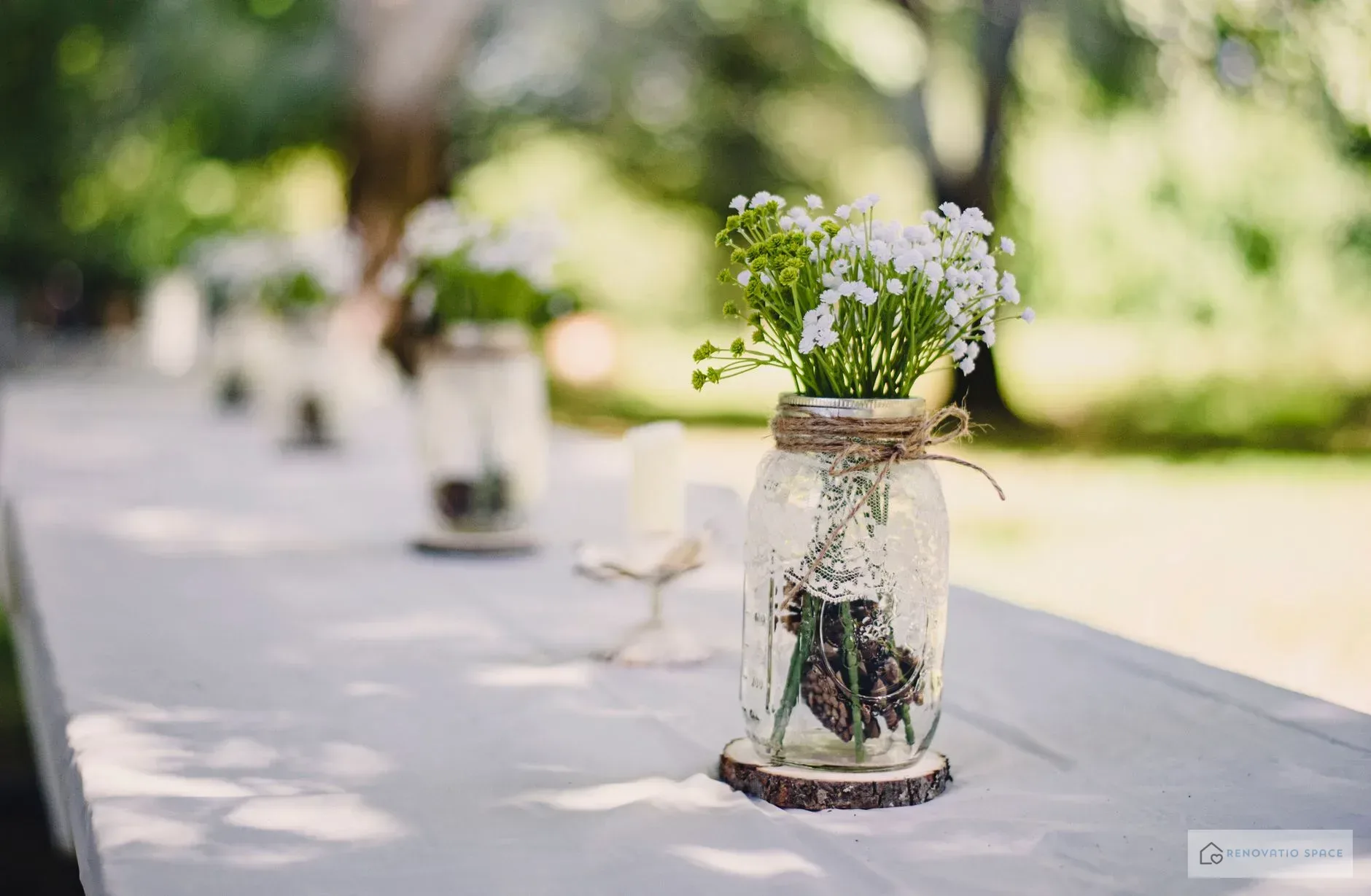
Environmental impact of natural versus synthetic decor is complex. Natural materials are renewable but require water, pesticides, and transportation. A single dried eucalyptus bundle lasts years and is fully compostable. Synthetic decor uses petroleum products, but if kept for a decade it may have lower overall carbon footprint than replacing real plants yearly. Look for recycled polyester faux greenery or brands that offer take-back programs. Your local climate matters too—humid regions rot natural materials faster.
Ultimately, the best interior combines both with intention. For more inspiration on blending textures and styles, explore our interior ideas collection. You might also love DIY decor ideas for seasonal touches or thinking about bedroom makeover trends that balance natural warmth with low-maintenance materials. For those looking at bedroom solutions, check out teen room essentials or vintage bathroom remodel ideas for mixing natural and artificial elements.