










Key criteria for choosing a room divider for living room
A room divider can segment your living room into functional areas without sacrificing an open feel. The right choice depends on several factors. Here are the most important criteria to consider.
Function and purpose
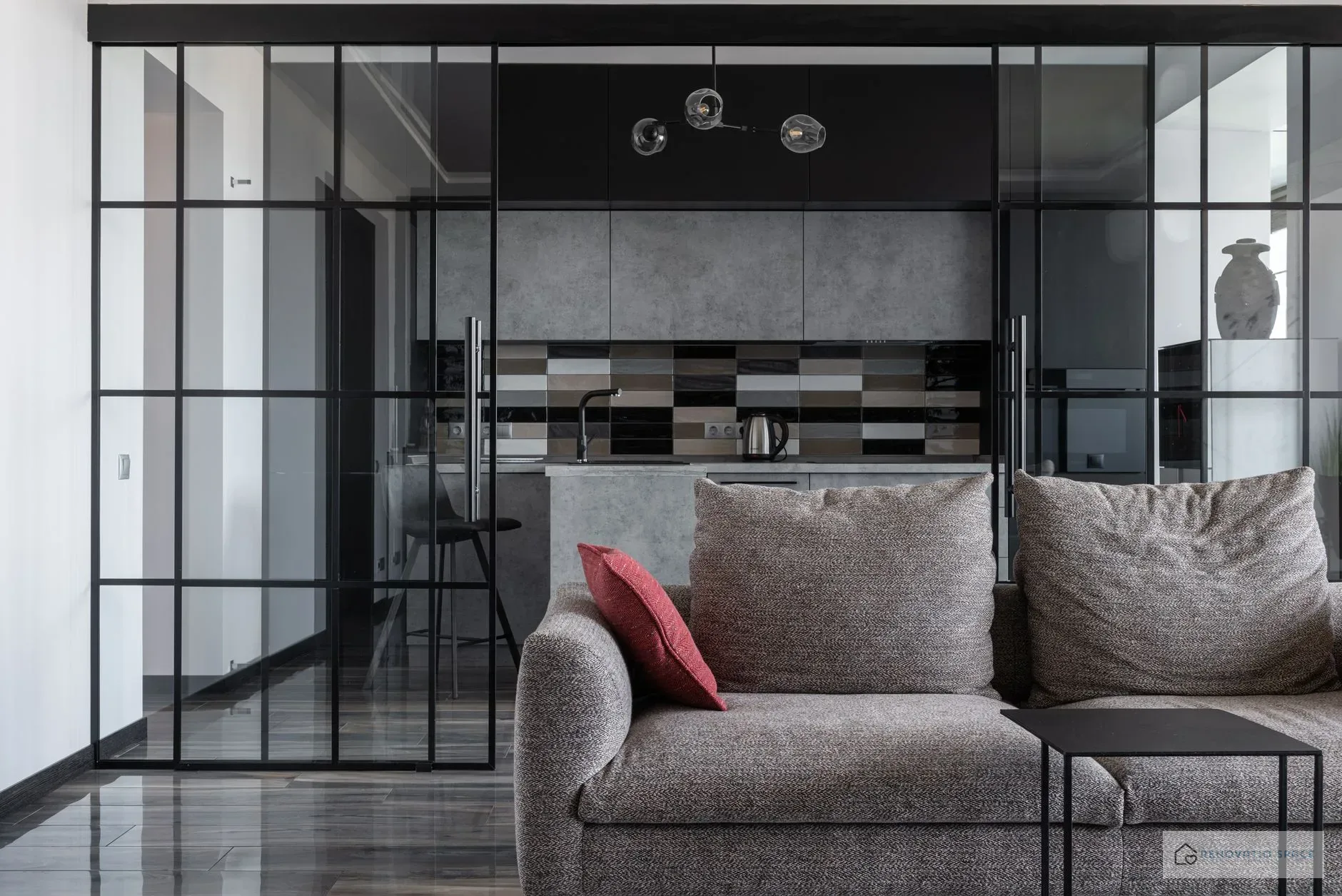
Consider whether the room divider is primarily meant to provide privacy, block drafts, or create a purely aesthetic separation. For flexible use, mobile models like screens or sliding walls are recommended.
Style and design
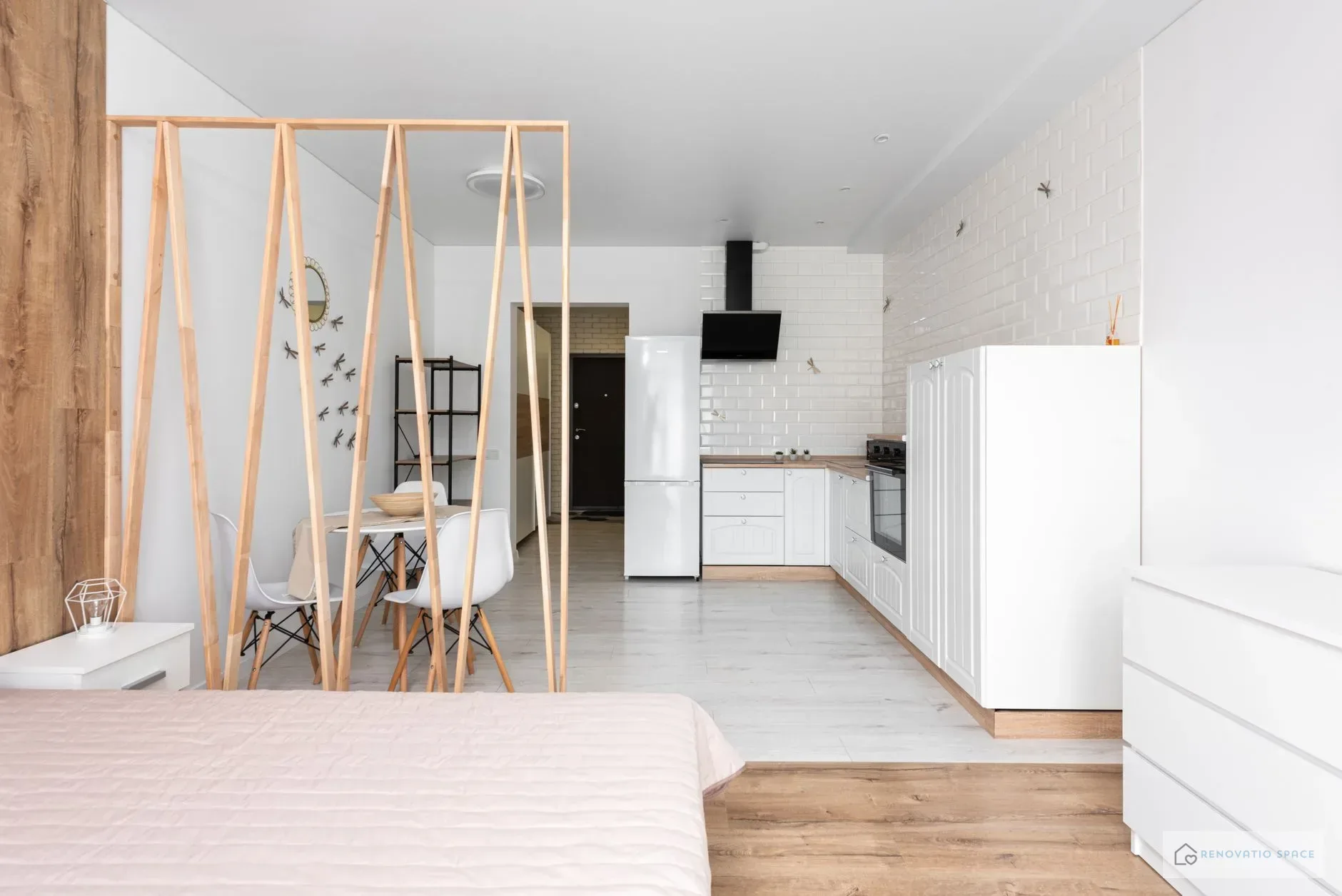
The room divider should match the interior style: modern glass fronts appear airy, while wooden models exude warmth. Open shelves are practical for decoration and create visual permeability.
Material and maintenance
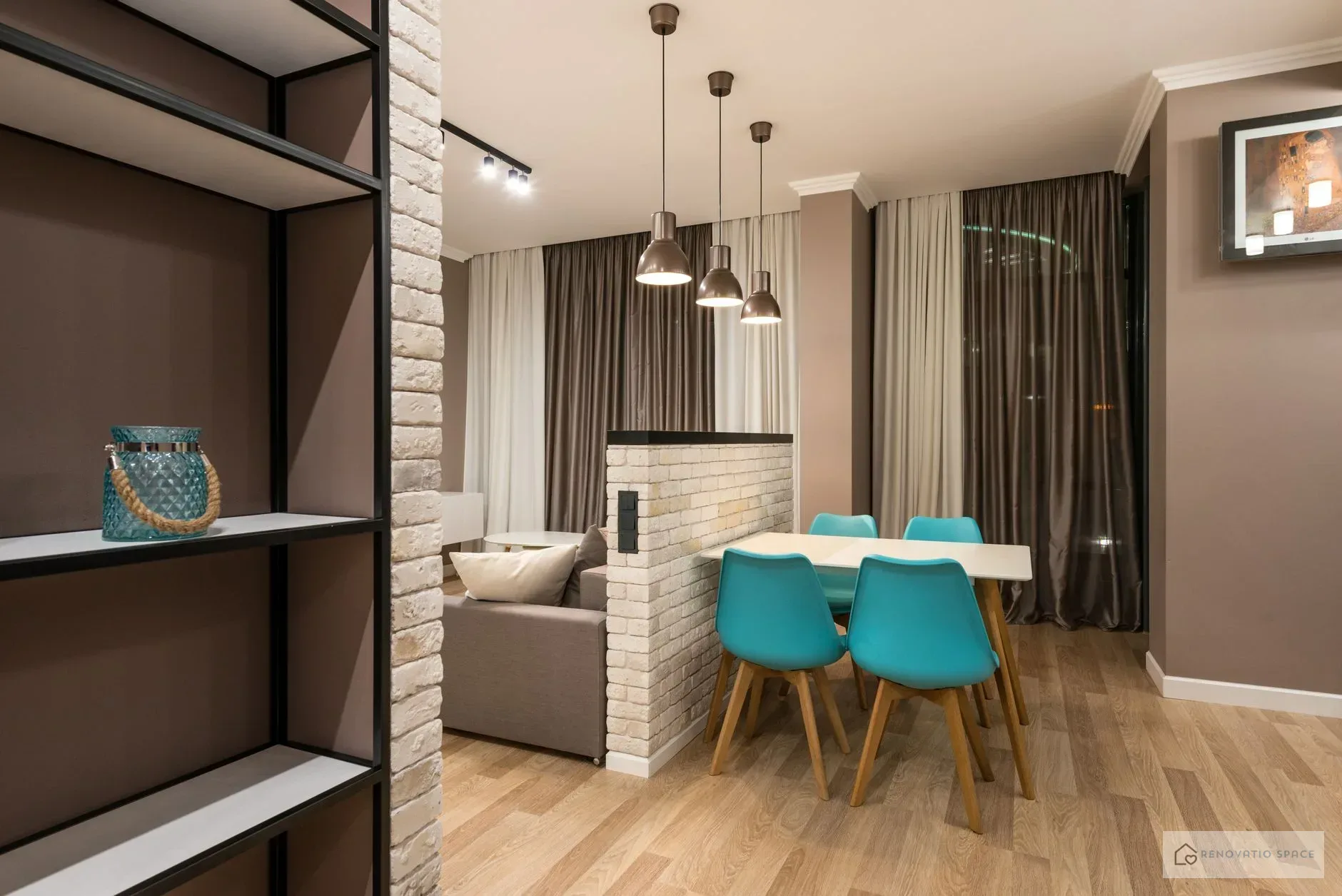
Materials like wood, metal, or textiles affect durability and maintenance effort. In wet areas, moisture-resistant material is important; in the living room, easy-care wood or coated metal often suffices.
Room size and proportions
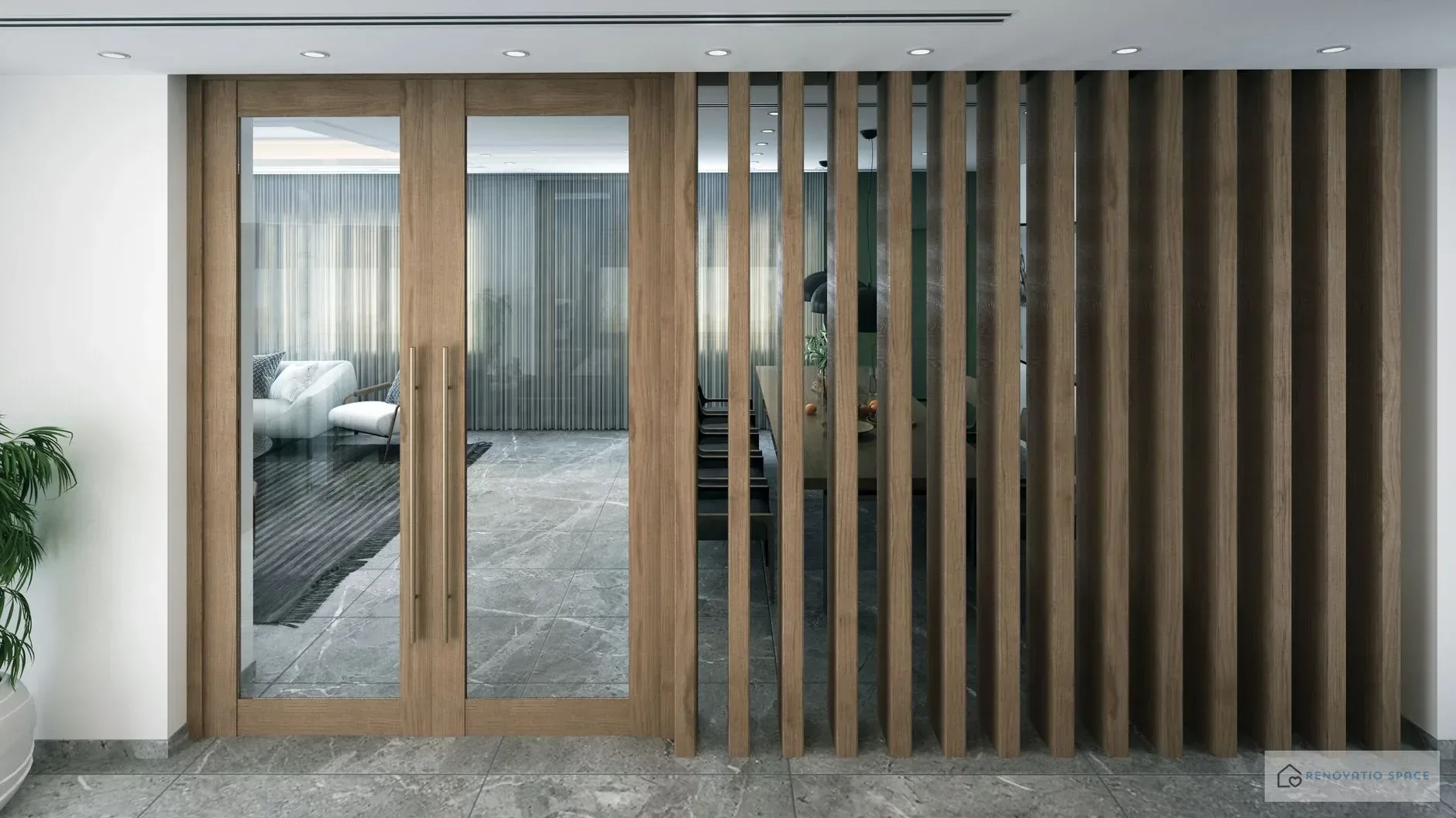
Measure room height and width precisely. Too tall room dividers overwhelm small rooms, while too short ones lose their effect. An optimal height is between chest and eye level.
Light permeability
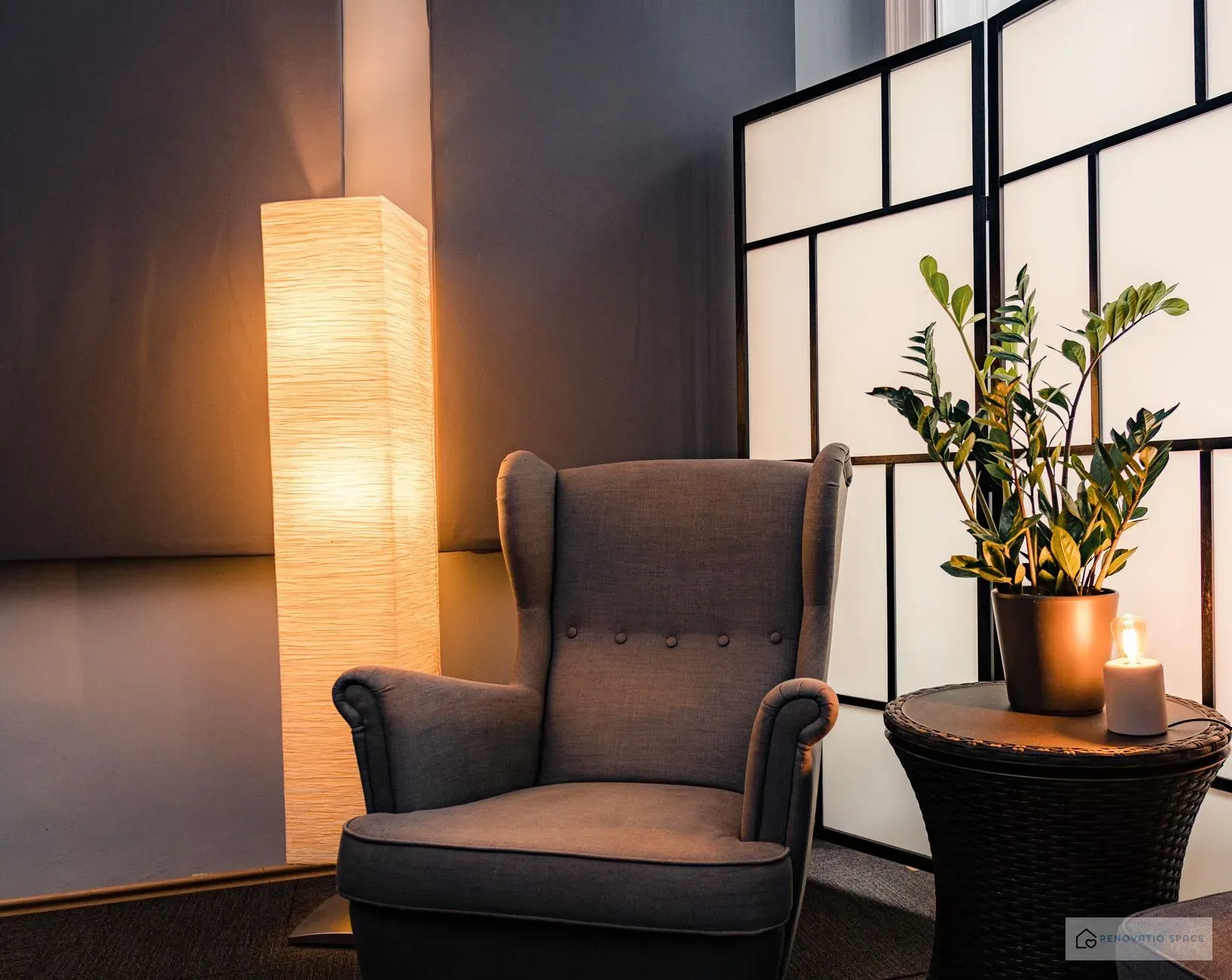
For bright rooms, solid models that block light are suitable. In dark rooms, prefer transparent or open structures like glass or grids to maintain light inflow.
Practical tips
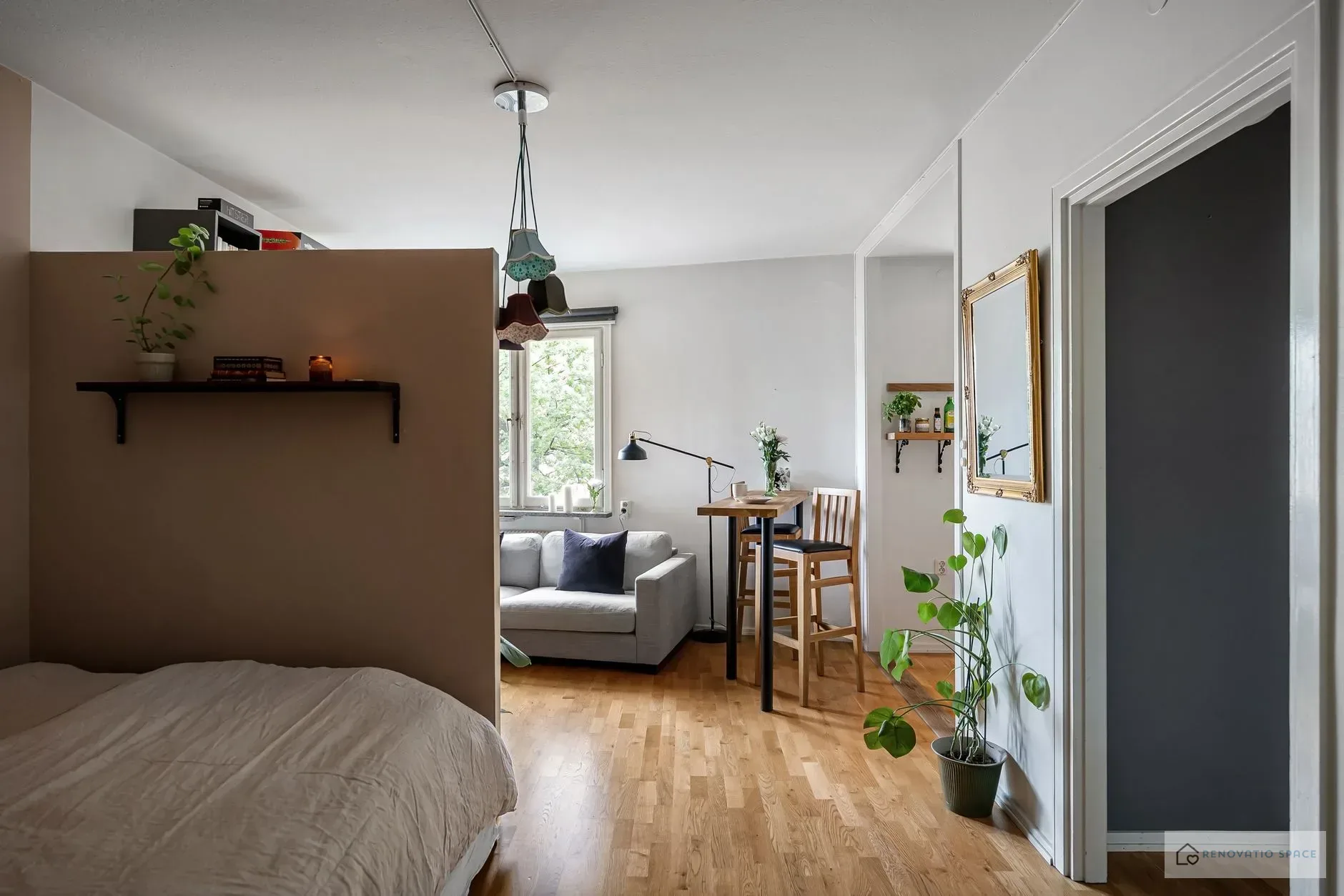
- Try temporary solutions like curtains or screens before investing in fixed installations.
- Pay attention to stability and sturdiness, especially in households with children or pets.
- Combine different heights and materials for an individual look.
With these criteria, you can make an informed decision that enhances your living room visually and optimizes it functionally.