






A small bedroom can quickly feel cluttered when all functions—sleeping, dressing, working—must fit in one room. With thoughtful zoning ideas, you can create order, spaciousness, and a cozy atmosphere without sacrificing comfort. In this article, we show you how to cleverly divide and optimally use your small sleeping space with simple means.
Why Zoning Matters in a Small Bedroom
Challenges of Small Bedrooms
Small bedrooms pose special challenges: often there isn’t enough space for a wardrobe, a desk, or a cozy reading nook. Putting everything in a small area easily leads to clutter and a cramped feeling. Moreover, the room can quickly become multifunctional—as a bedroom, study, and sometimes even a gym—which, without clear zoning, appears chaotic.
Benefits of Thoughtful Zoning
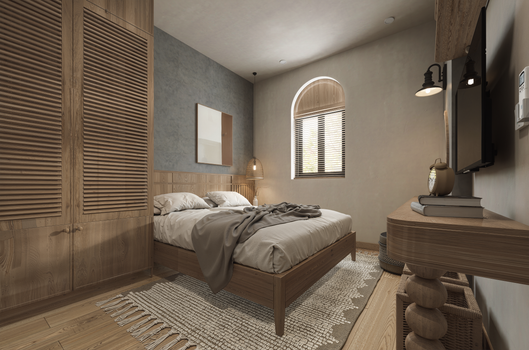
Clear division helps structure the space visually and lets each function shine. Benefits: more order, better use of every square centimeter, a calmer sleeping environment, and the ability to incorporate various activities even in small rooms. Additionally, a zoned room appears larger and more inviting.
Basic Principles of Room Division
Define Functions: Sleep, Dress, Work
Before starting zoning, consider which functions your bedroom interior should serve. Typical areas are: the sleep zone with bed and nightstand, the dressing zone with wardrobe and mirror, and, if needed, a work zone with a desk or a relaxation zone with an armchair. Write down which activities occur daily and prioritize.
Use Room Dividers Cleverly
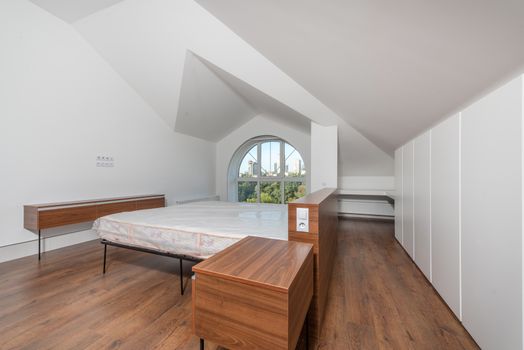
Room dividers are ideal helpers to separate areas visually and functionally without losing much space. From lightweight curtains to sturdy screens or shelves, the selection is vast. It’s important that the divider doesn’t appear bulky but maintains airiness. Open shelves, for example, let light through and provide storage at the same time.
Create Color and Material Zones
A simple method to define zones is the use of colors and materials. Paint the wall behind the bed in a calm color and the work zone in a stimulating shade. Different floor coverings, such as carpet in the sleep zone and hardwood in the entrance area, can also mark zones without requiring structural changes.
Practical Zoning Ideas for Small Bedrooms
Separate Zones with Curtains and Screens

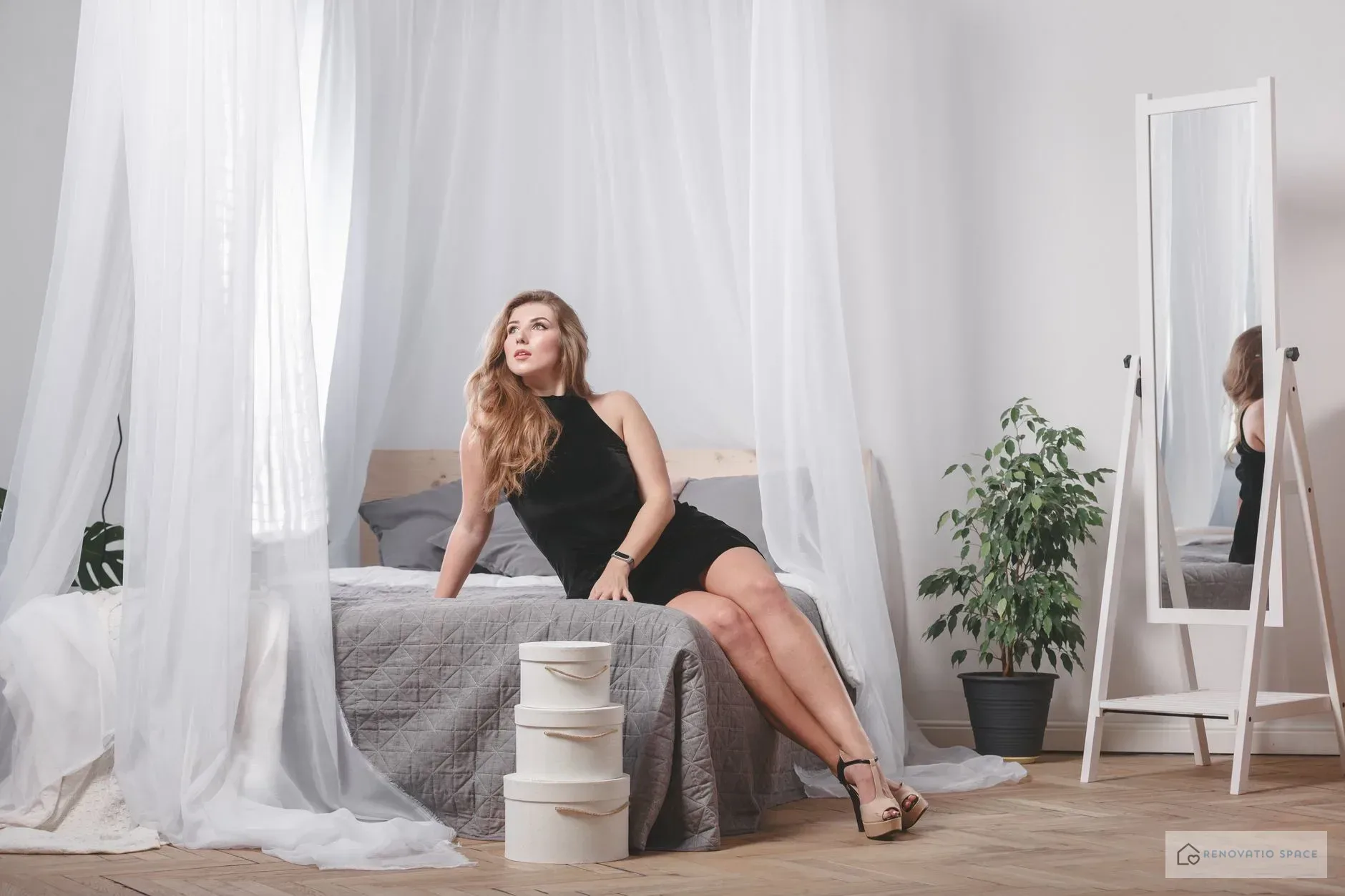
Curtains are a flexible and inexpensive solution: a long curtain in front of the wardrobe visually separates the dressing zone. A screen made of fabric or wood can create a small reading nook behind the bed or separate the work area from the sleeping area. Both options can be easily moved or removed as needed.
Open Shelves as Multifunctional Dividers
Open shelves serve both as room dividers and storage. Place a tall shelf between the bed and desk—it separates areas, offers space for books, decor, and baskets, and lets light and air through. Ideal are models with varying shelf heights suitable for both large and small items.
Use Furniture as Room Dividers (Bed, Wardrobe)
Large furniture pieces can themselves serve as zoning. Position the bed with the headboard towards the center of the room, creating a dressing or work area behind it. A tall wardrobe can act as a wall between the sleeping and entrance areas, provided it is accessible from both sides or creates a clear sightline.
Floor Coverings and Rugs for Zoning
Rugs are excellent zoning helpers. A large rug under the bed defines the sleep zone, a small rug in front of the desk marks the work zone. Pay attention to color coordination: a rug in subdued tones has a calming effect, while a colorful accent emphasizes the work area.
Light Creates Accents and Defines Areas
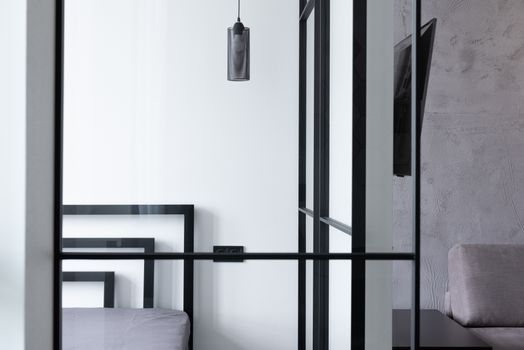
With light, you can not only illuminate zones but also visually separate them. A dimmable ceiling light above the bed creates coziness, a desk lamp ensures focused work. Indirect lighting behind the headboard or along shelves highlights areas and creates atmosphere.
Tips for Furnishing by Zones
Multifunctional Furniture for Small Spaces
Opt for furniture that serves multiple purposes: a bed with integrated drawers offers storage, a pull-out desk can double as a nightstand when needed, and a storage ottoman replaces an extra cabinet. This saves space and avoids clutter.
Wall Shelves and Hooks for Vertical Use
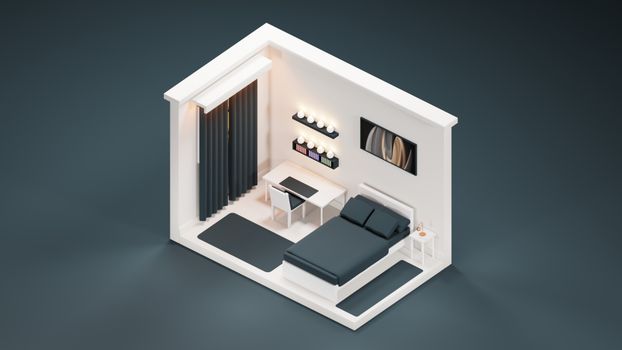
Use the walls! Wall shelves above the bed or desk create extra storage for books, pictures, or knick-knacks without affecting floor space. Hooks on the door or wall keep jackets, bags, or scarves handy and ensure order.
Mirrors for Optical Enlargement
Mirrors make small rooms appear larger by reflecting light and simulating depth. Hang a large mirror opposite a window or in the dressing zone. A mirror as part of a wardrobe or as a standalone piece serves both function and space enhancement.
Color Palette: Light Tones for Spaciousness, Accents for Depth
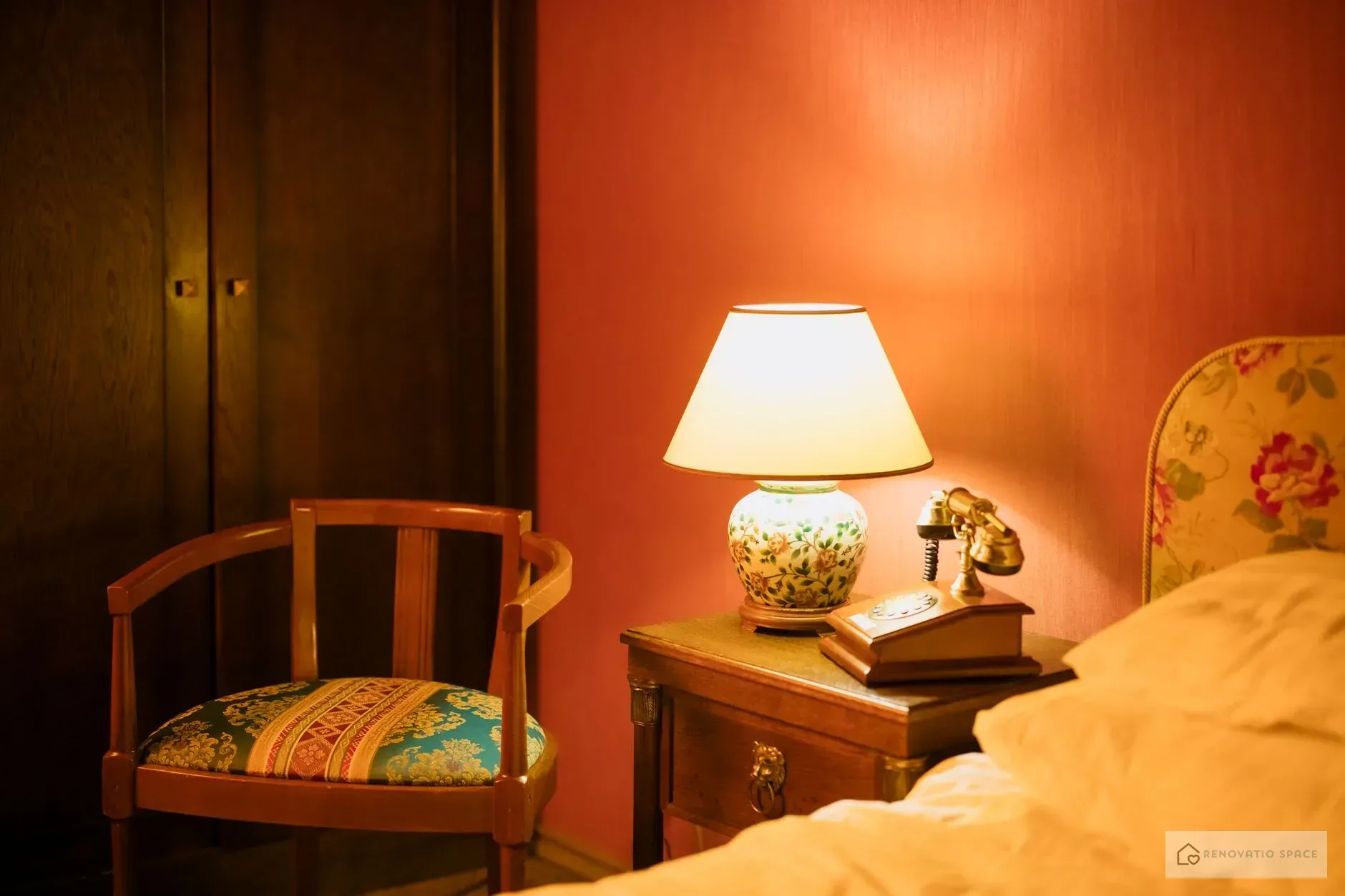
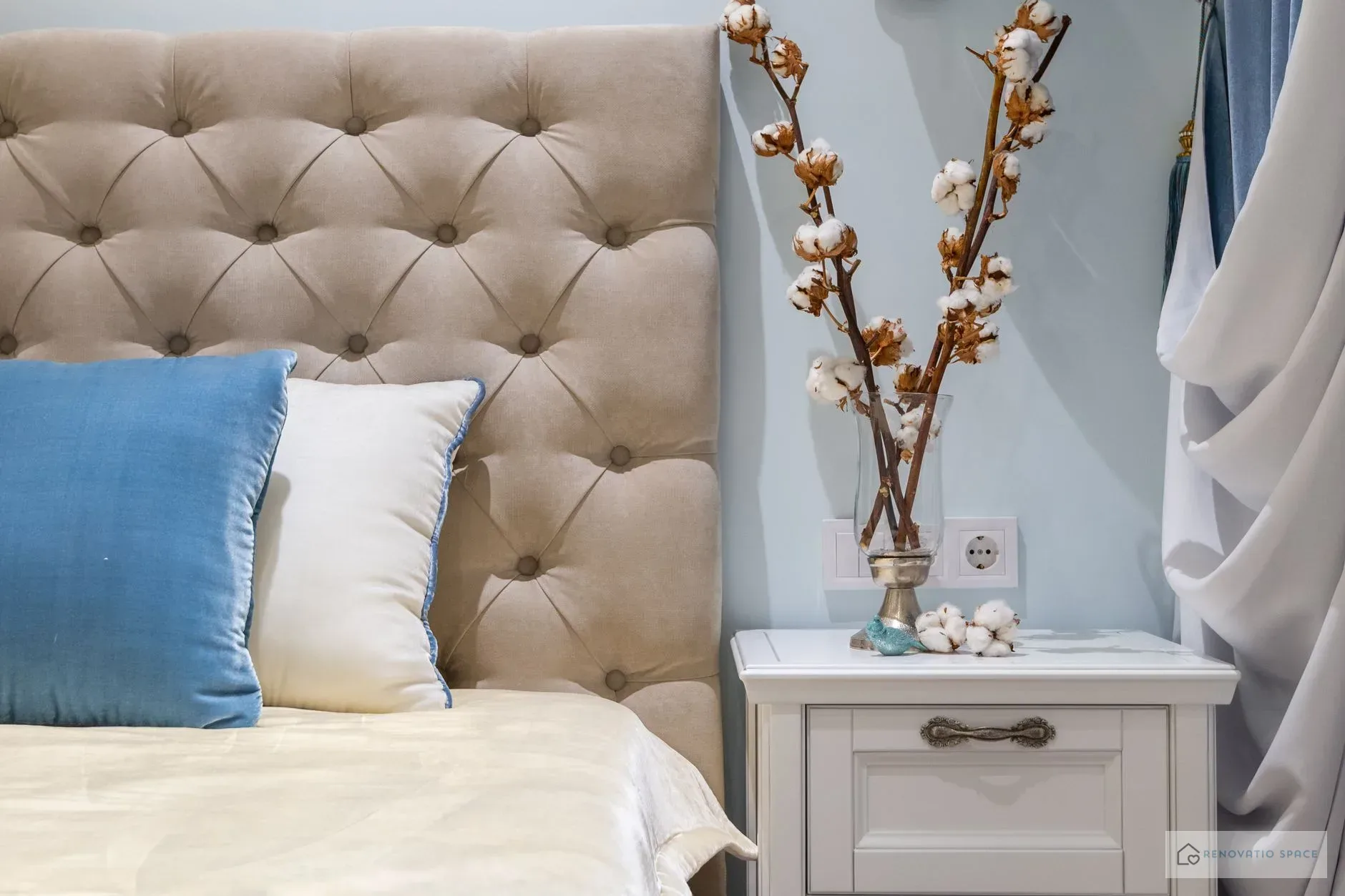
Light colors like white, beige, or pastel shades make the room airy and spacious. Add accents with strong colors like dark blue, green, or terracotta in individual zones to create depth and highlight areas. A splash of color behind the bed or at the desk enlivens without overwhelming the room.
Examples of Zoning in Small Layouts
Square Room: Sleep Zone in the Center
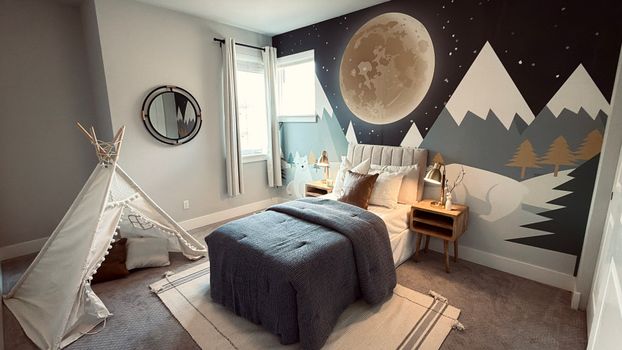
In a square room, it makes sense to place the bed in the center. Around the bed, you can position the dressing zone with wardrobe and mirror along one wall and the work zone on the opposite wall. A low room divider or a rug under the bed emphasizes the central sleep zone.
Narrow Room: Linear Arrangement
In a narrow layout, arrange the zones linearly: near the window, the sleep zone; behind it, the dressing zone with wardrobe; and at the end of the room, the work zone. Light curtains or a slim shelf between areas prevent the room from feeling like a hallway. Use light colors to visually mitigate constriction.
Room with Sloped Ceilings: Utilize Low Zones
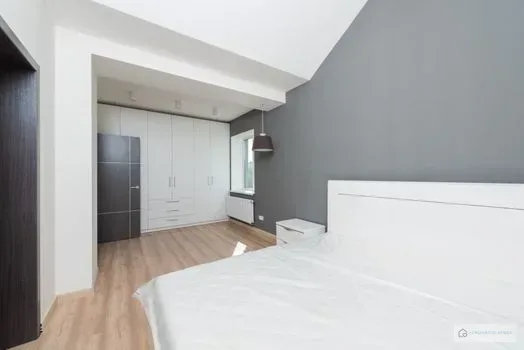
Sloped ceilings present a special challenge but also offer opportunities: use the low areas for reclining surfaces like the bed or a reading nook. Place the desk at the highest point. A curtain along the slope can separate the sleep area while hiding storage behind the slope.